
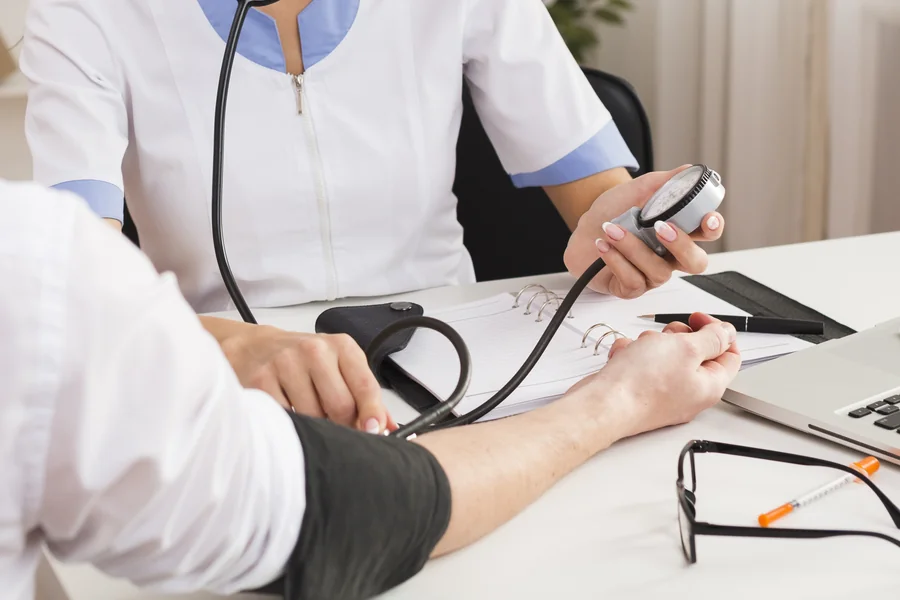
Most people with high blood pressure are treated in a clinic or by their family doctor, with tablets, lifestyle advice and regular check-ups. But some situations need more: rapid evaluation, intravenous medicines, specialist tests or close monitoring. Knowing when to go to a hypertension treatment hospital rather than waiting for a routine appointment can prevent serious complications such as stroke, heart attack and kidney damage.
Situation 1: Hypertensive Emergency
A hypertensive emergency is severely high blood pressure, usually 180/120 mmHg or above, with signs that organs are being damaged. Warning signs include:
- Severe headache, confusion or drowsiness
- Chest pain or pressure
- Breathlessness
- Blurred vision or loss of vision
- Weakness or numbness on one side of the body, or difficulty speaking
- Reduced urine output
This is a medical emergency. Call an ambulance or go to the nearest hospital with an emergency department. Treatment usually involves carefully controlled intravenous medicines in an ICU, because lowering pressure too quickly can also be dangerous.
Hypertensive urgency
If your reading is very high but you have no symptoms of organ damage, contact your doctor the same day. Sit quietly and recheck after five minutes. Do not take extra doses of medicine without medical advice.
Situation 2: Resistant Hypertension
Blood pressure is called resistant when it stays above target despite three different medicines at good doses, one of them usually a diuretic. Before labelling it resistant, doctors check for:
- Missed doses or incorrect timing of medicines
- Incorrect measurement technique or “white coat” effect
- High salt intake, alcohol, or painkillers such as NSAIDs
- Sleep apnoea, which is common in people with obesity and snoring
People with genuinely resistant hypertension benefit from a hospital or specialist centre where detailed evaluation, 24-hour ambulatory BP monitoring and medicine optimisation can be done.
Situation 3: Suspected Secondary Hypertension
In some people, high blood pressure is caused by another condition. Clues include:
- High BP at a young age (under 30)
- Sudden onset or sudden worsening of previously controlled BP
- Very high BP with low potassium
- Episodes of palpitations, sweating and headache
- Abnormal kidney function
Possible causes include kidney disease, narrowing of kidney arteries, hormonal disorders of the adrenal or thyroid glands, and certain medicines. Diagnosis needs blood and urine tests, imaging and sometimes specialist referral, which a well-equipped hospital can coordinate. The link between hypertension and kidney disease is especially important, as each can worsen the other.
Situation 4: Hypertension With Heart Complications
Long-standing high blood pressure thickens the heart muscle and can lead to heart failure, irregular heart rhythm and coronary artery disease. If you have breathlessness, swelling in the feet or reduced exercise capacity, evaluation with ECG and echocardiography is needed. Learn more about hypertensive heart disease and its management.
Tests You May Need
Evaluation in hospital or a specialist centre may include:
- Blood tests: kidney function (creatinine), electrolytes such as sodium and potassium, blood sugar, lipid profile and thyroid function
- Urine tests: for protein, which signals kidney involvement
- ECG and echocardiography: to look for thickening of the heart muscle or other changes
- Eye examination: the retina shows the effects of high pressure on small blood vessels
- Ultrasound of the kidneys and, when needed, imaging of the kidney arteries
- Hormone tests if an adrenal cause is suspected
These tests show how much damage high blood pressure has already caused and guide treatment choices.
What a Good Hospital Should Offer
- 24-hour emergency department with ICU
- Physicians and cardiologists experienced in BP management
- Laboratory tests for kidney function, electrolytes, hormones and urine protein
- ECG, echocardiography and ultrasound imaging
- Ambulatory BP monitoring
- Dietitian support and clear discharge instructions
Preparing for a Hospital Visit
Carry your BP records, previous reports, discharge summaries and a list of every medicine and supplement you take, including herbal products. Note when symptoms started and what you were doing at the time. If possible, bring a family member who can help share your history and remember instructions, especially if you feel unwell or anxious.
Long-Term Care After Hospital
Once the acute problem is controlled, long-term management usually returns to the clinic. People who search for ahigh blood pressure hospital often need ongoing outpatient support afterwards as much as acute care. Long-term success depends on:
- Taking medicines regularly at the right times
- Reducing salt and processed foods
- Regular physical activity
- Weight control and limiting alcohol
- Stopping smoking
- Managing stress and sleep
- Home BP monitoring and regular follow-up
Integrated programmes that combine diet, activity, stress management and supportive Ayurvedic therapies with regular monitoring can help some patients improve control. Herbs and therapies should always be added under supervision and never as a replacement for prescribed medicines without your doctor’s agreement.
The Bottom Line
Most high blood pressure can be managed at a clinic, but a hypertension treatment hospital is essential for emergencies, resistant cases, suspected secondary causes and heart or kidney complications. Know the warning signs, act quickly when they appear, and follow up consistently once your blood pressure is under control.
Disclaimer: This article is for general information only and is not a substitute for medical advice. If you have very high blood pressure with symptoms, seek emergency medical care immediately.