
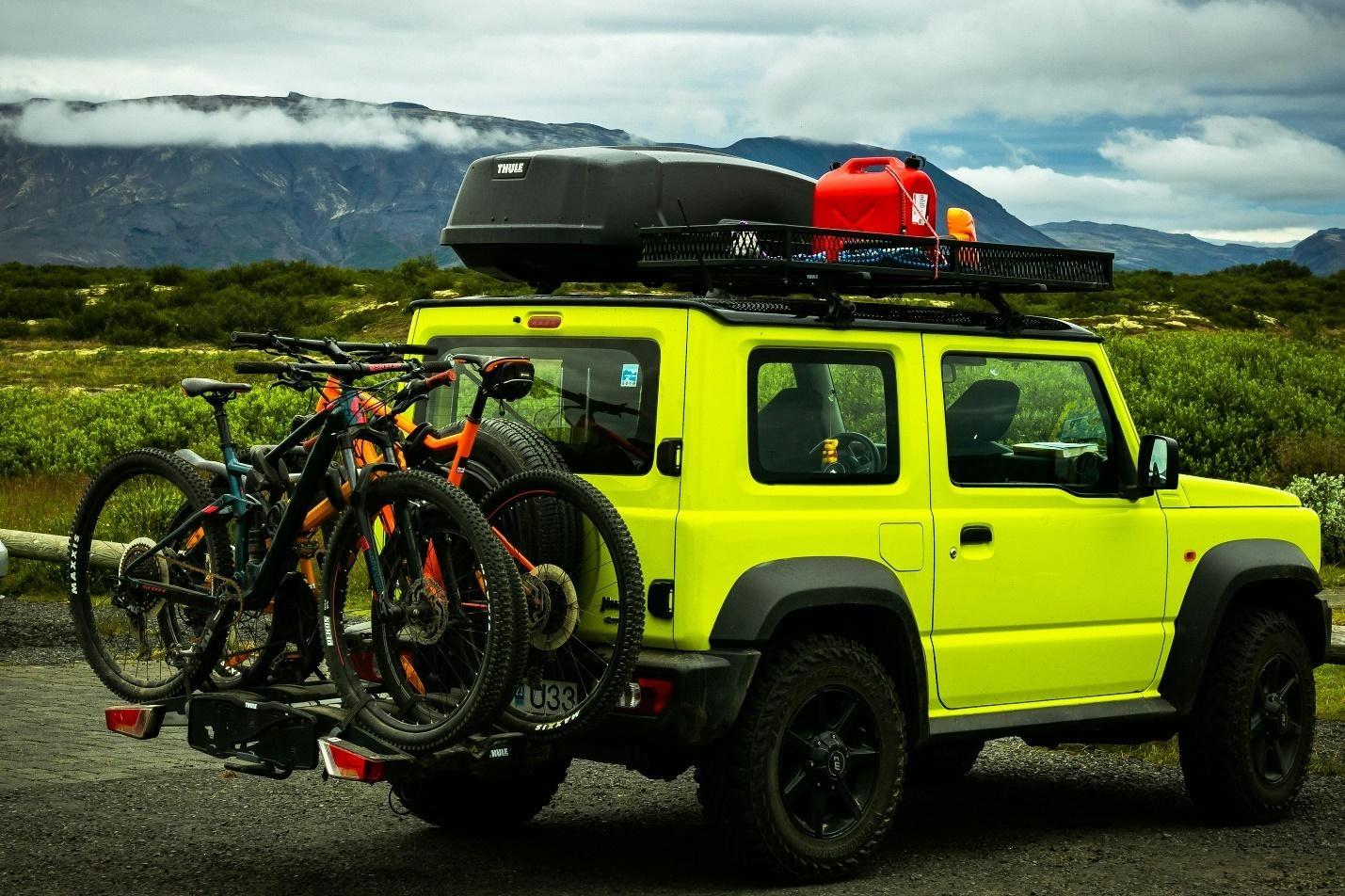
One of the most versatile ways to expand storage capacity is to install a roof rack. It provides an opportunity to accommodate camping equipment, bicycles, canoes, and a rooftop tent while maintaining sufficient interior cargo space.
But a roof rack only pays off if it’s the right one for your vehicle and you load it properly. Fitment matters more than people expect.
For instance, off-road-ready setups like the Front Runner Slimsport and Slimline II kits designed specifically for the Toyota Tacoma demonstrate the importance of proper fitment. A custom roof rack built for a specific truck performs very differently from universal bars.
That said, before loading anything on top of your car, it is important to learn about the specifics of rating roof racks, securing cargo, and how loading choices affect handling and fuel economy.
Read on to learn more about how to safely pack and use a roof rack.
1. Start With a Rack Built for Your Specific Vehicle
The single biggest safety factor in roof rack use is fitment. While racks designed for specific car types can evenly distribute the load, using universal racks that don’t fit can create extra stress in unexpected areas.
For example, Tacoma owners looking for a Tacoma roof rack can select a cab- or bed-mounted system designed to work with the vehicle’s factory mounting points. Choosing a rack built specifically for the Tacoma helps ensure a secure fit and proper weight distribution, rather than relying on a universal system that may not suit the truck’s design.
Therefore, before purchasing the roof rack, make sure it is compatible with your exact model and roof design, and that its weight rating is appropriate for your needs.
2. Know the Difference Between Static and Dynamic Weight Limits
Each roof rack and car roof has a different weight limit, and mixing up the two is one of the most common mistakes drivers make.
The dynamic weight limit is the maximum weight the roof can support while the car is in motion and accounts for factors such as deceleration, maneuvering, and road vibrations. The static weight limit applies when the car is stationary and is usually a few times higher than the dynamic one.
This explains why it is possible to hold two people in a rooftop tent for an overnight stay, whereas it would be impossible for it to support such weight during vehicle movement. Roof racks themselves are not subject to a single federal weight standard, unlike seat belts or brakes.
That makes it essential to check both your vehicle’s owner’s manual and the rack manufacturer’s specifications, then load to whichever number is lower, factoring in the rack’s own weight before adding cargo.
3. Secure Cargo So Nothing Shifts or Comes Loose
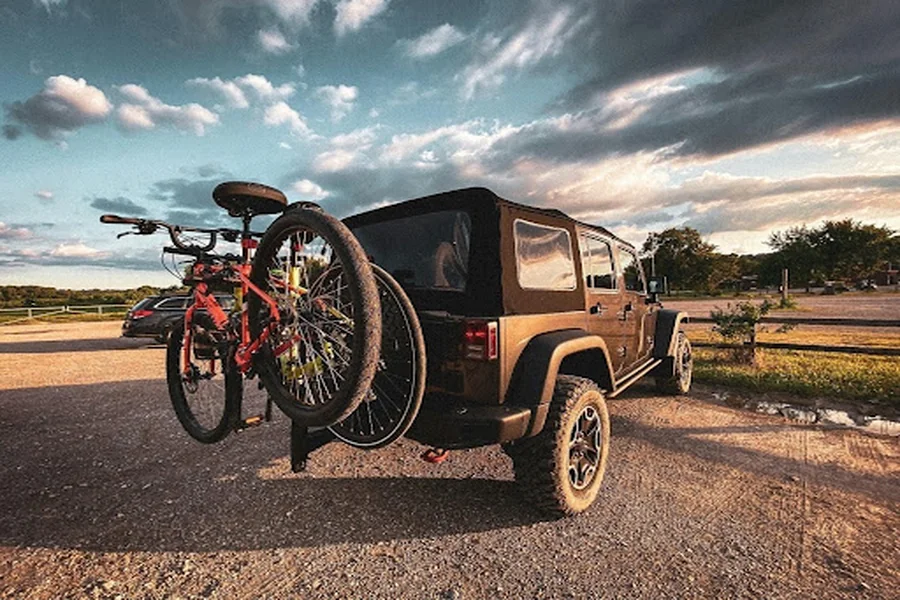
Once you know how much weight you can carry, how you secure it matters just as much as how much you load. Heavier objects should be placed low in the center of the racks above the vehicle’s axles, not towards either end of the vehicle.
Likewise, use rated straps or the rack manufacturer’s mounting hardware rather than generic rope or bungee cords. Also, make sure that boxes, bike racks, and any other cargo mounted on the crossbars are actually locked to the crossbars.
Lastly, take some time to recheck everything after driving a few miles, as most of the cargo will have shifted slightly because of vibration. It is also important to check the condition of the rack itself since a rack that has loosened at the base can fail even if the cargo on top is properly secured.
4. Adjust Your Driving for Added Height and Wind Resistance
A loaded roof rack can change how your vehicle responds to wind, especially at higher speeds. Cargo placed high above the roof raises the vehicle’s center of gravity, while bulky items can create additional wind resistance and make crosswinds more noticeable.
To maintain better control, keep your speed appropriate for the road and weather conditions, allow extra space when changing lanes, and take greater care when driving through exposed or windy areas. The way cargo is positioned can also affect aerodynamic drag.
Large, upright or unevenly placed items generally create more resistance than streamlined loads, which can reduce fuel economy during longer trips. Removing empty cargo boxes or rack accessories when they are not needed can reduce drag and limit exposure to weather and road vibration.
Before setting off, check that the total load height will clear garages, low bridges, branches, and other overhead obstacles along your route.

Wrapping Up
Safely using a roof rack starts with choosing the right rack for your vehicle and knowing exactly how much weight it can carry.
Checking the static and dynamic limits, ensuring proper load distribution, securing all items, and taking into account changes in height and the vehicle’s maneuverability can save you trouble on the way.
Whether you are packing up a Tacoma for some off-roading or attaching a cargo box to your regular drive, taking the above steps before setting off will ensure your load stays secure and your vehicle control remains intact.