
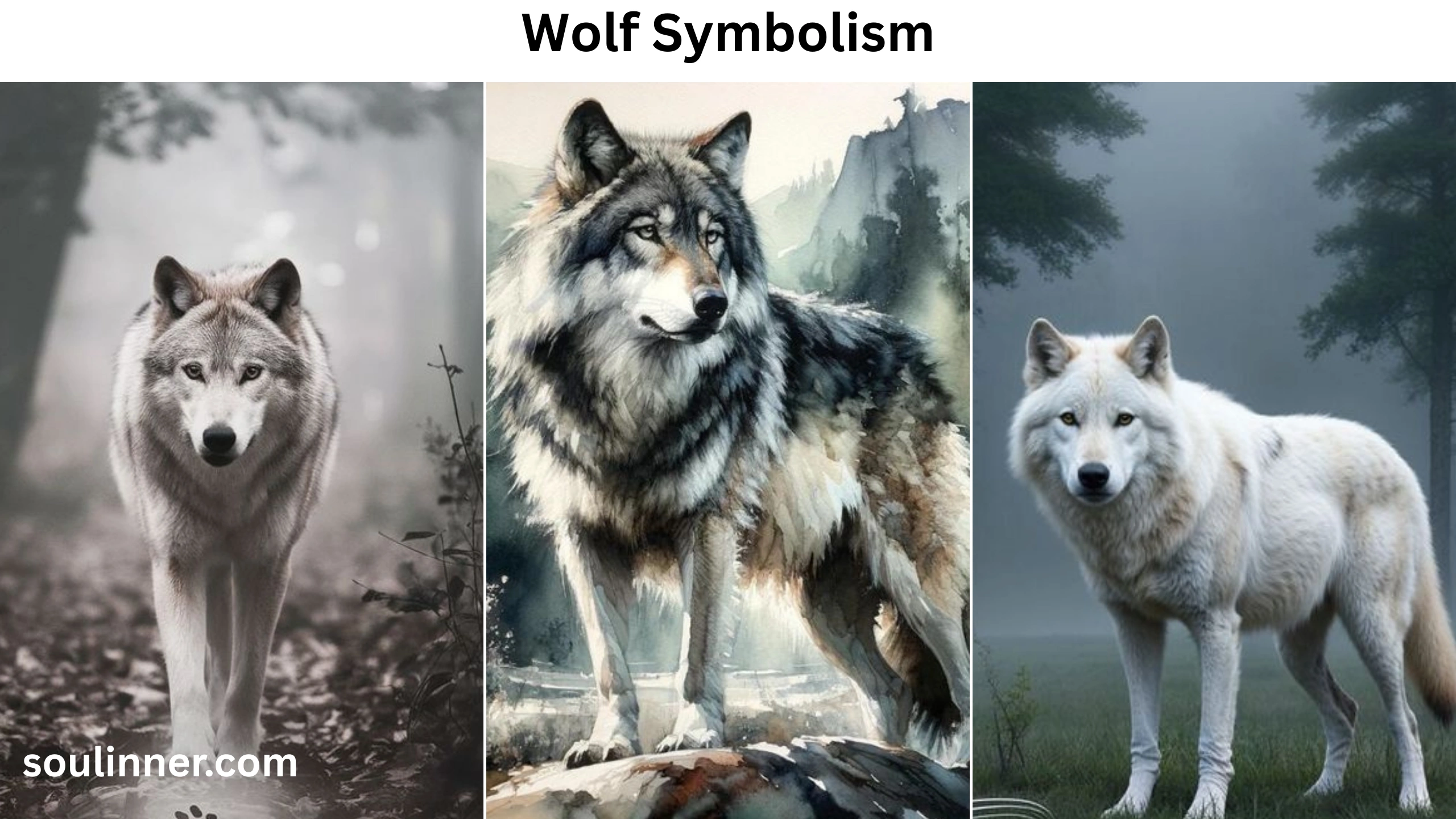
Wolf symbolism reflects strength, freedom, loyalty, and deep instinct qualities that have shaped how humans view wolves across cultures and time. This article takes you through powerful meanings tied to wolves, from ancient spirit animal beliefs to modern dream meanings. It explains the lone wolf as a symbol of independence and the wolf pack as a model of unity and loyalty.
You’ll find how Roman legends, Norse mythology, Native traditions, Mongolian beliefs, and Japanese folklore all present the wolf as a protector, teacher, and guide. Each color white, grey, or black holds a special meaning tied to wisdom, mystery, or balance. The article also covers the wolf’s role as a totem, power animal, and spirit animal, showing how it offers strength in daily life.
“The wolf teaches us that while we can walk alone, our strength multiplies when we walk together.”
From legends and dreams to real-life encounters, every wolf message helps us trust our instincts and stay strong in who we are.
Ancient Symbolism of the Wolf Spirit Animal
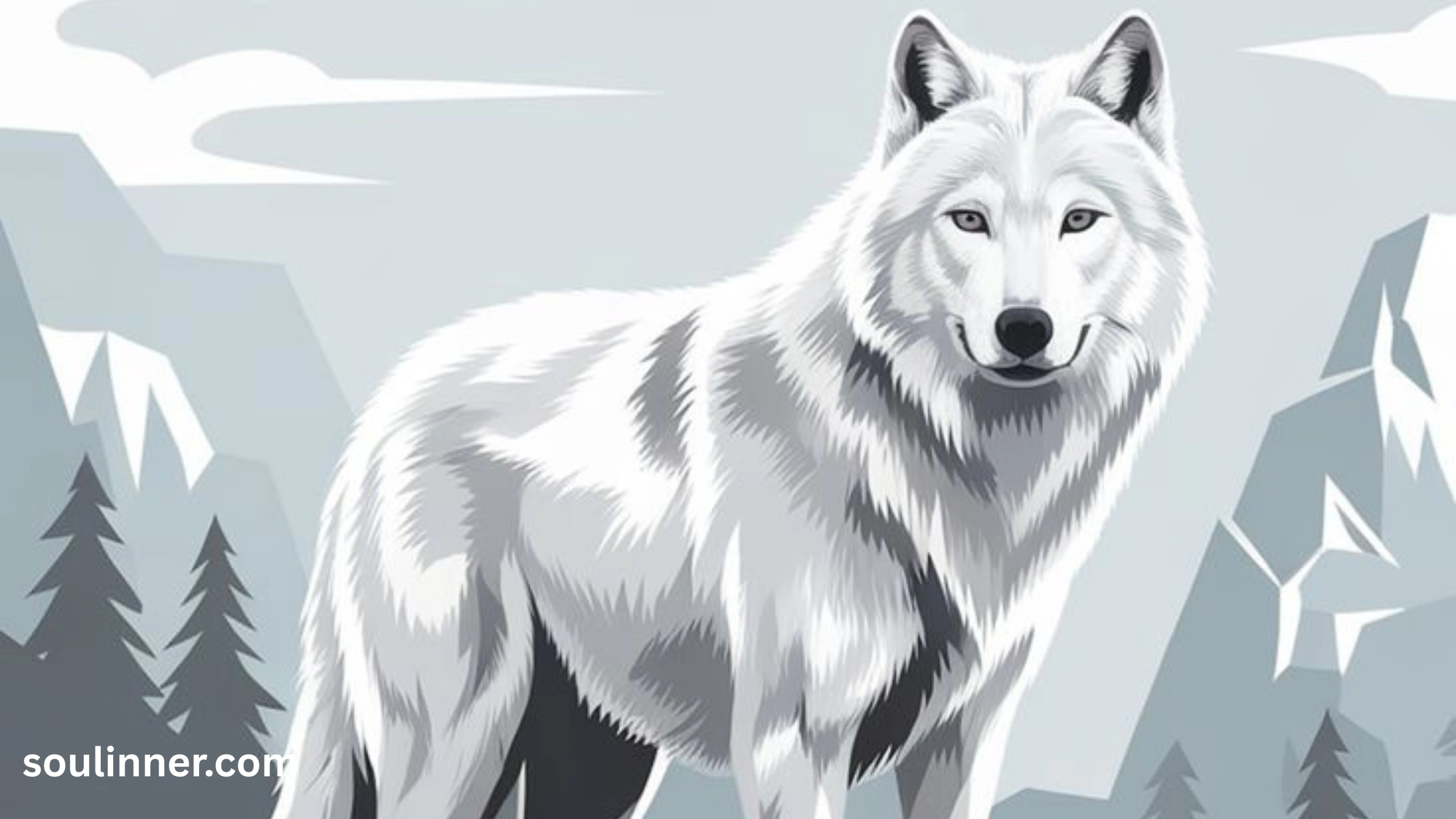
Wolves were seen as wise and powerful animals that guided and protected early people in many cultures. Long ago, people noticed how smart, strong, and loyal wolves were. They began to see the wolf spirit animal as a powerful guide.
Many early societies admired these animals and built wolf totem traditions to show their respect. In different places around the world, wolves came to stand for courage, wisdom, and deep instinct.
The space wolf symbol represents this wisdom and strength, particularly in modern interpretations, such as in the context of fantasy or science fiction. In Cherokee wolf clan symbols, the wolf is revered as a protector and a guide, highlighting its spiritual significance in Native American culture.
In ancient traditions, the ancient symbol for wolf reflected the wolf’s role as a leader and protector in various cultures, showing how much ancient civilizations valued the wolf’s role in both survival and storytelling. From nature-loving tribes to mighty empires, the wolf symbolism became a meaningful part of human history.
The Origins and Symbolism of the Lone Wolf
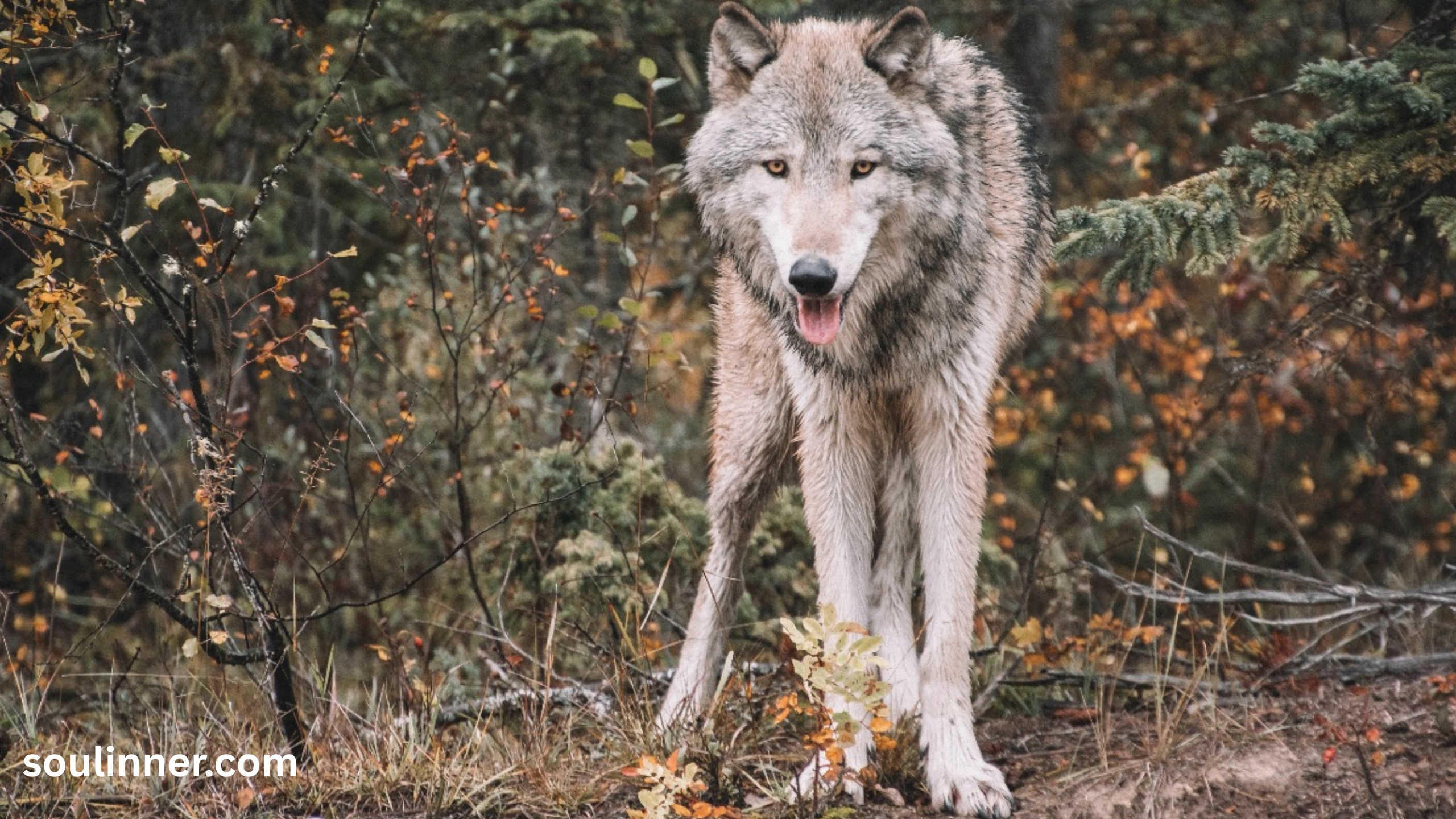
A lone wolf is not always alone by choice; it often leaves the pack for survival but still represents strength and independence. While the lone wolf is a common symbol, it’s important to understand that wolves are typically social creatures, living in packs. Sometimes, a wolf may leave its group due to a fight over territory or to find a new home, but this doesn’t mean it desires permanent solitude.
In nature, this behavior is simply part of the wolf’s survival instincts. The wolf symbolism Celtic emphasizes the role of the wolf as a protector and guide, symbolizing courage, loyalty, and independence. Similarly, the wolf spider symbolism can relate to the lone wolf’s ability to rely on itself, showcasing resilience and adaptability in challenging times.
The wolf pack symbol represents unity and strength, reminding us that, although the wolf may occasionally walk alone, its power lies in the strength of the pack. The solitary wolf continues to symbolize bravery and self-reliance, reminding us that sometimes standing alone is necessary for growth and survival.
The True Meaning of the Lone Wolf
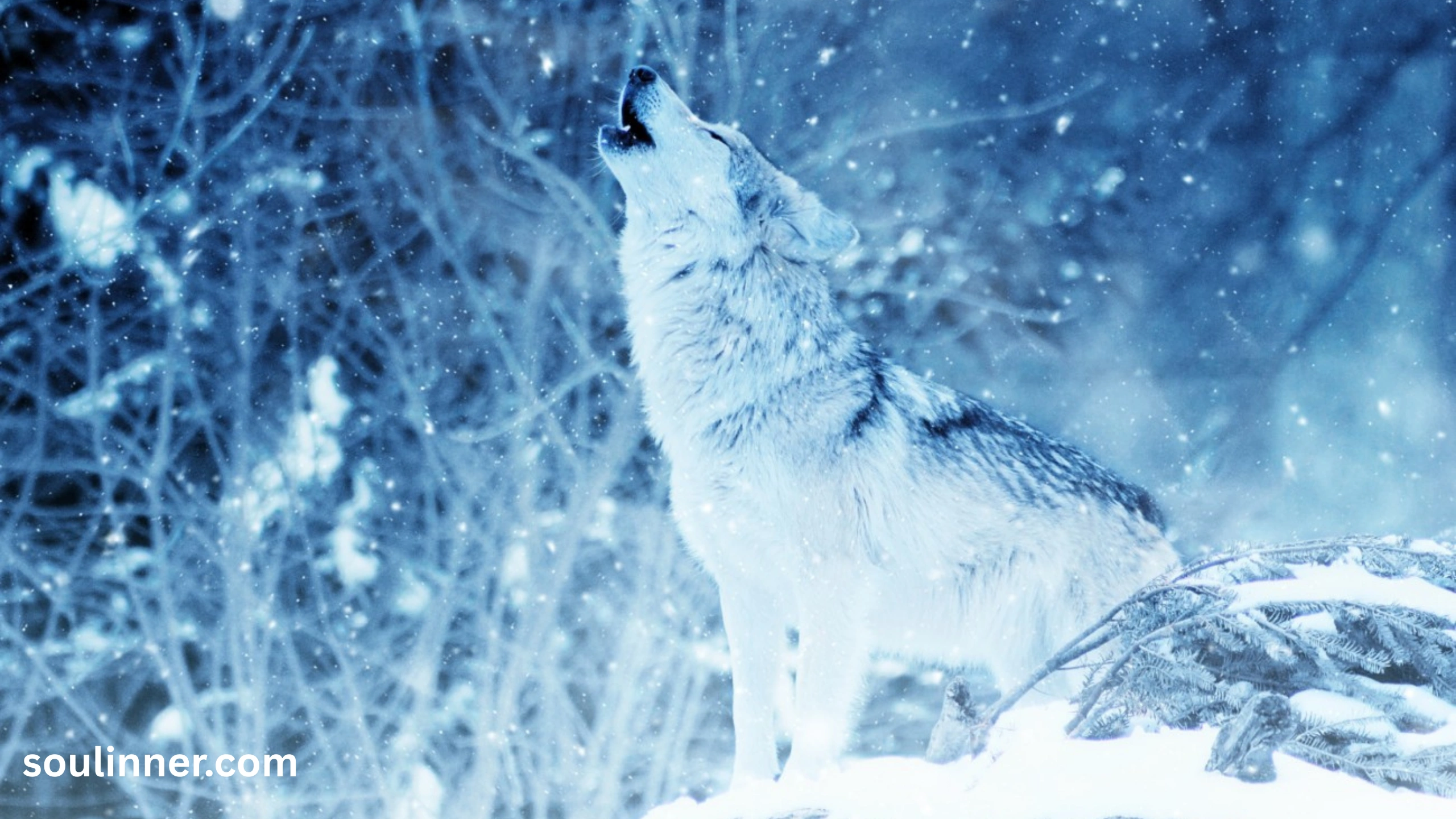
The lone wolf is often seen as a person who chooses to live or act alone, symbolizing strength and independence. However, this idea doesn’t fully reflect the true nature of wolves, who live in packs. What do wolves symbolize in the wild? They are social creatures that rely on the pack for survival, hunting together and following a clear leadership system with an alpha pair.
Wolf symbolism in dreams and visions can represent the balance between independence and the need for unity, reminding us of the wolf’s dual nature in both solitude and community. The lone wolf in stories, movies, and daily life is often portrayed as someone who prefers to be alone, follows their own rules, and stands out for bravery or uniqueness.
This image suggests a person who doesn’t need others to succeed, yet in the wild, wolves are highly social animals. The meaning of wolves in symbolism connects to both freedom and the strength of community.
When a solitary wolf is seen, it is typically alone due to natural circumstances, like losing its pack or searching for a new one. This distinction shows the difference between the lone wolf meaning in human culture and actual wolf behavior, but still, the symbol continues to inspire those who value independence and resilience.
Origins of the Lone Wolf Term
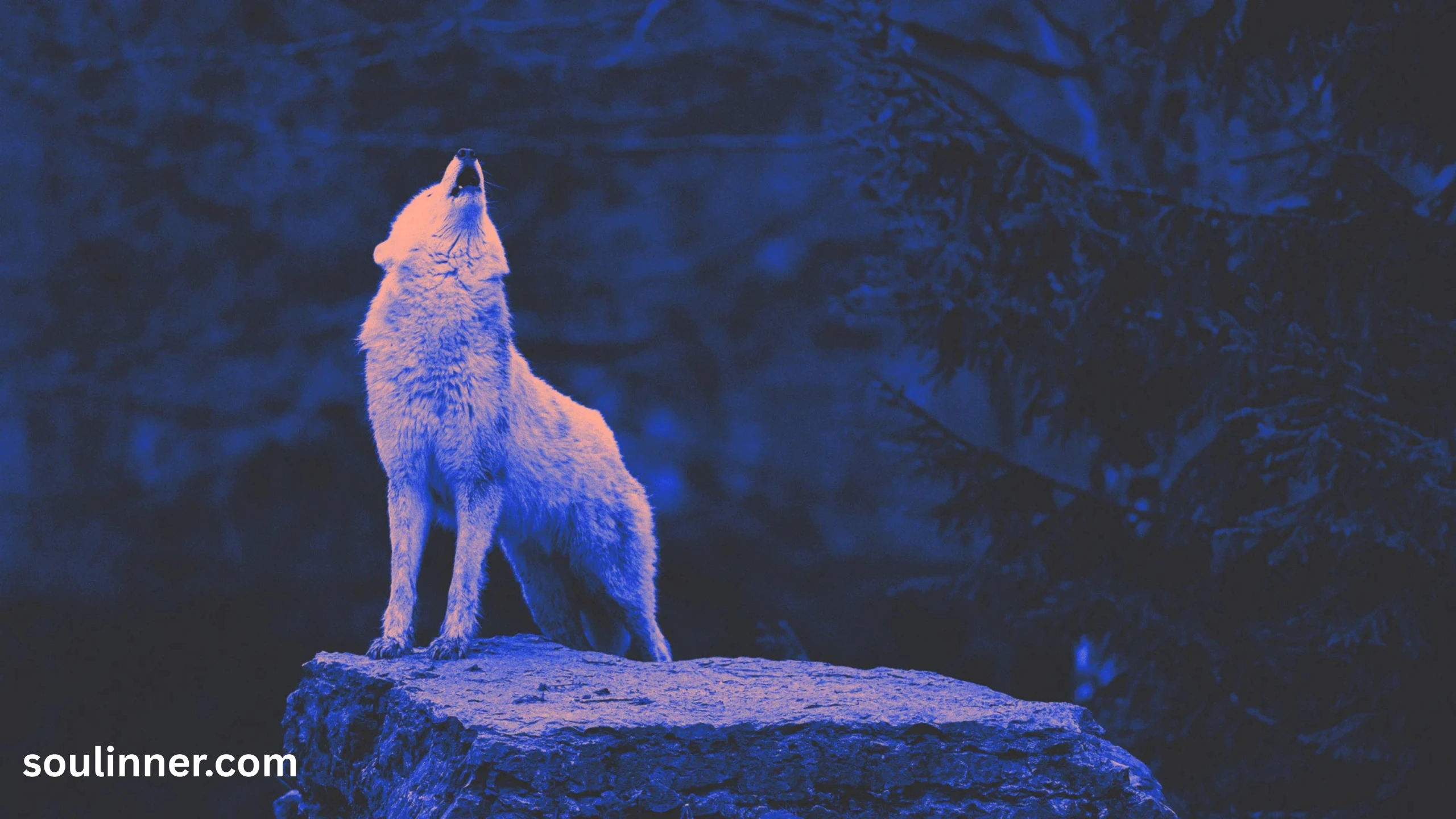
The term “lone wolf” comes from real wolf behavior when a young wolf leaves its pack to live on its own, showing strength and independence. This behavior is closely tied to ancient wolf symbols, which reflect survival, resilience, and self-reliance.
As wolves grow older, they sometimes leave their birth pack to find their own territory, a natural process that helps them survive and grow. This concept is not just found in nature but also represents personal strength and the journey of independence.
Over time, humans have adopted this idea to describe individuals who choose to live or work alone. The Celtic symbol for wolf reflects the idea of independence and the freedom to walk one’s own path. Similarly, the Cherokee wolf clan symbol embodies the wisdom, courage, and strength of the lone wolf.
The nordic symbol for wolf also highlights the powerful representation of freedom and survival, drawing from Viking and Norse beliefs. In Norse mythology, the wolf is a symbol of transformation and power, often depicted in viking symbol for wolf to show resilience and the warrior spirit.
In modern contexts, teen wolf symbols have also emerged, representing youthful independence and the search for one’s identity. Now, the lone wolf symbolism extends beyond animals, symbolizing a person who is brave, self-reliant, and strong enough to follow their own way.
Lone Wolf Symbolism and Strength
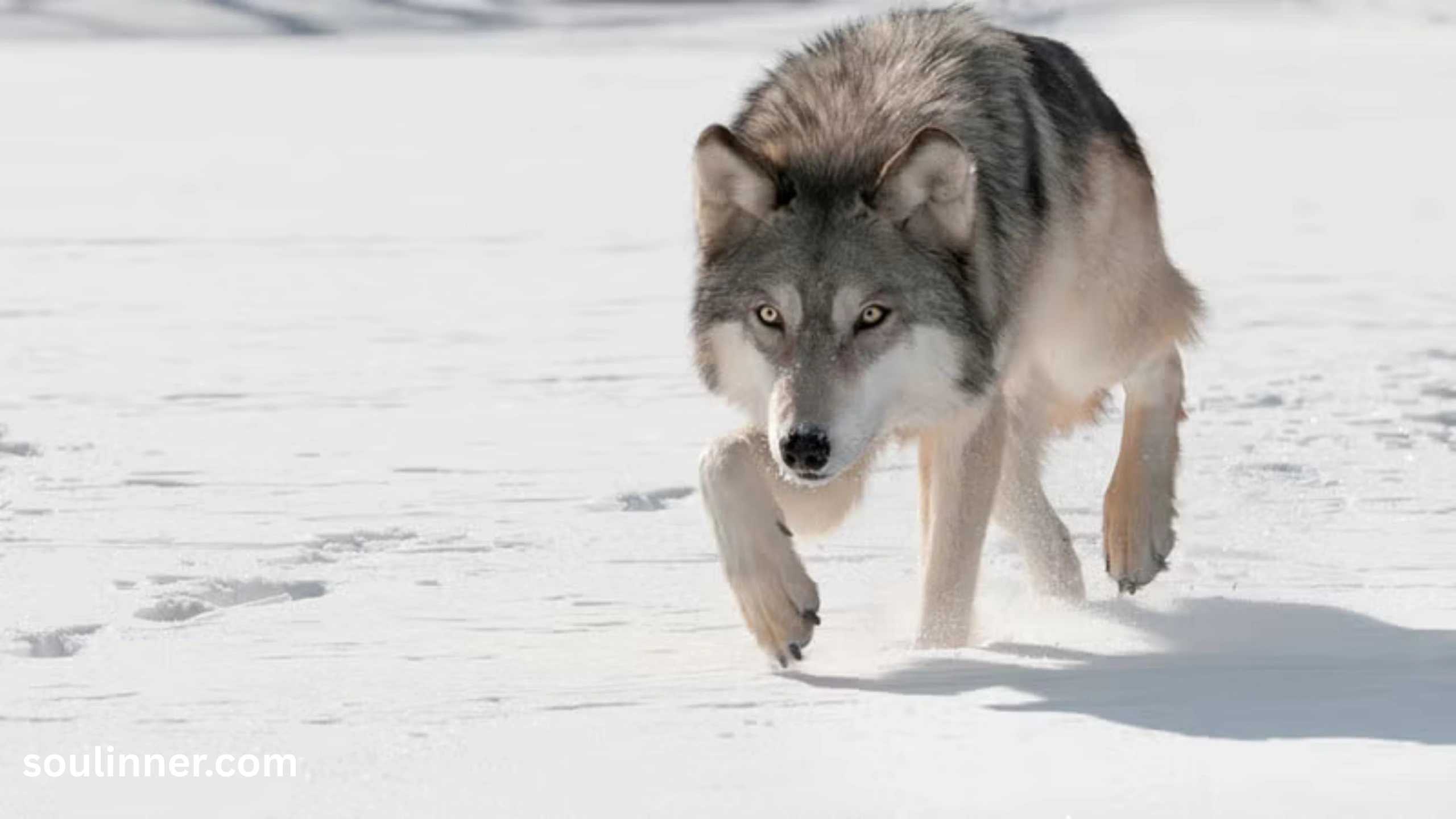
A lone wolf often represents someone who walks alone with strength, much like Genghis Khan or fictional heroes, symbolizing both independence and the quiet power of leadership. What does it mean when you see a wolf? It may signify a call for independence or the inner strength to overcome challenges, reflecting the wolf symbolism for strength and courage.
Throughout history and in various stories, the lone wolf has been a symbol of courage, independence, and personal strength. For instance, Genghis Khan, often called the “Great Desert Wolf,” united tribes through bold actions while maintaining his own powerful way of leading. In White Fang by Jack London, the protagonist is raised in the wild, learning to survive alone before discovering the importance of social bonds, trust, and companionship..
These examples demonstrate how wolf symbolism and personality traits reflect both freedom and loyalty. In modern times, many people, such as artists, solo entrepreneurs, or even lone criminals, are viewed as lone wolves.
They achieve success independently, exhibiting bravery, intelligence, and determination. Across different cultures, the lone wolf idea reminds us that even when we walk alone, the spirit of the wolf stays connected to wisdom, survival, and inner strength, showcasing the essence of wolf symbolism.
Read also this article: Fox Symbolism: Spiritual and Symbolic Meaning of a Fox
The Meaning of Seeing a Wolf in Dreams or Real Life
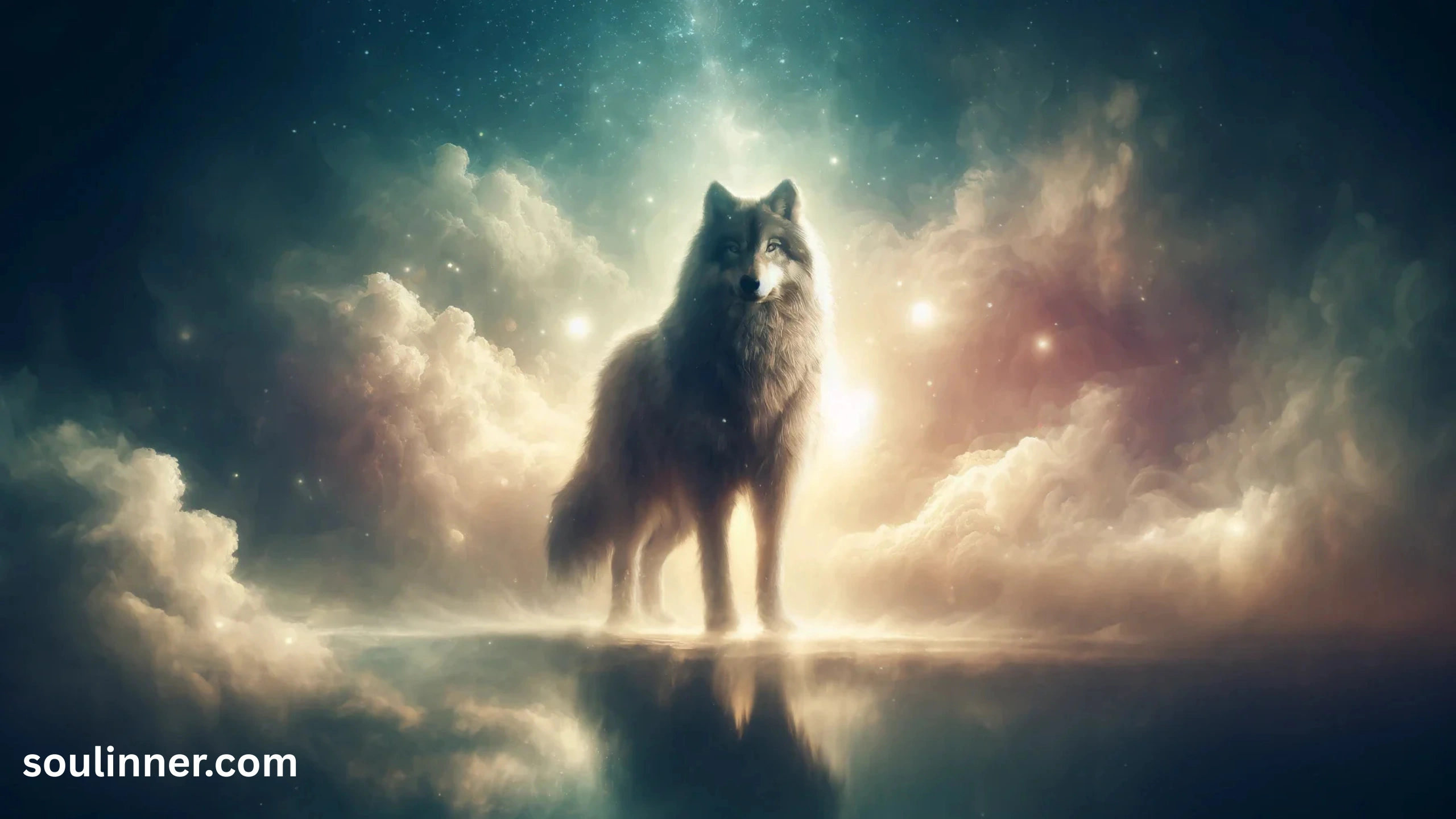
Seeing a wolf, whether in nature or in a dream, often means spiritual guidance, inner change, or a message from something greater. What does a wolf symbolize in Native American culture? In Native traditions, the wolf is seen as a messenger from ancestors, guiding individuals through life changes and offering wisdom. The native american animal symbols wolf often reflect the wolf’s deep connection to wisdom, protection, and spiritual guidance.
The Turkish grey wolf symbol holds similar importance, representing strength and loyalty, and often linked to protection and survival. The Turkey wolf symbol is also revered, often seen as a guide in difficult times, offering both warnings and guidance. The native symbol for wolf is a key emblem in many Native cultures, symbolizing courage and connection to the spirit world.
People who see a wolf often feel both fear and wonder. This mix of feelings comes from deep within us, going back to a time when humans lived close to wild animals. A wolf encounter can lead to deep thinking about where we are going in life and how connected we are to the natural world. In these native symbols wolf, we see the importance of the wolf in guiding and protecting.
Wolf Symbolism Across Cultures
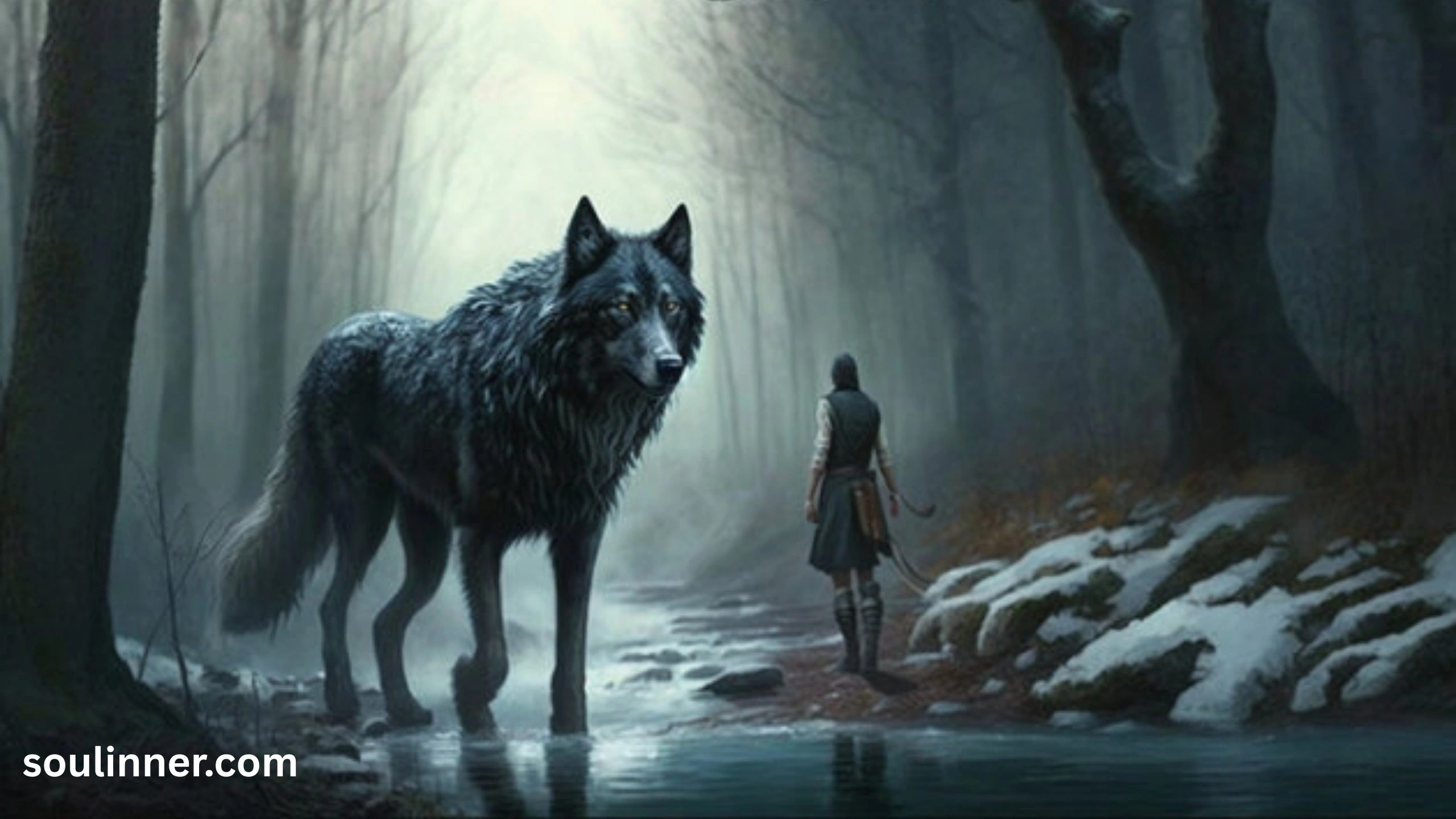
Across cultures, a lone wolf stands for someone who follows their own path, often seen as different but full of quiet strength. The wolf symbol Turkey represents this individuality and is often tied to ancient beliefs of warriors and freedom.
This figure doesn’t always fit in with the crowd and chooses to go their own way. Some may see them as distant or hard to understand, but deep down, this path shows bravery and strong will.
The therian wolf symbol highlights a connection to one’s primal instincts, symbolizing the power of independence. In cultural symbolism, wolves often represent instinct, wisdom, and survival. Whether in old stories or modern ideas, the wolf symbolism reminds us that standing alone can be just as strong as standing with others. From Native traditions to ancient myths, the wolf continues to inspire those who value independence and inner power.
Here are the symbolism of wolf in different culture:
1:The Wolf as a Symbol of the Wild
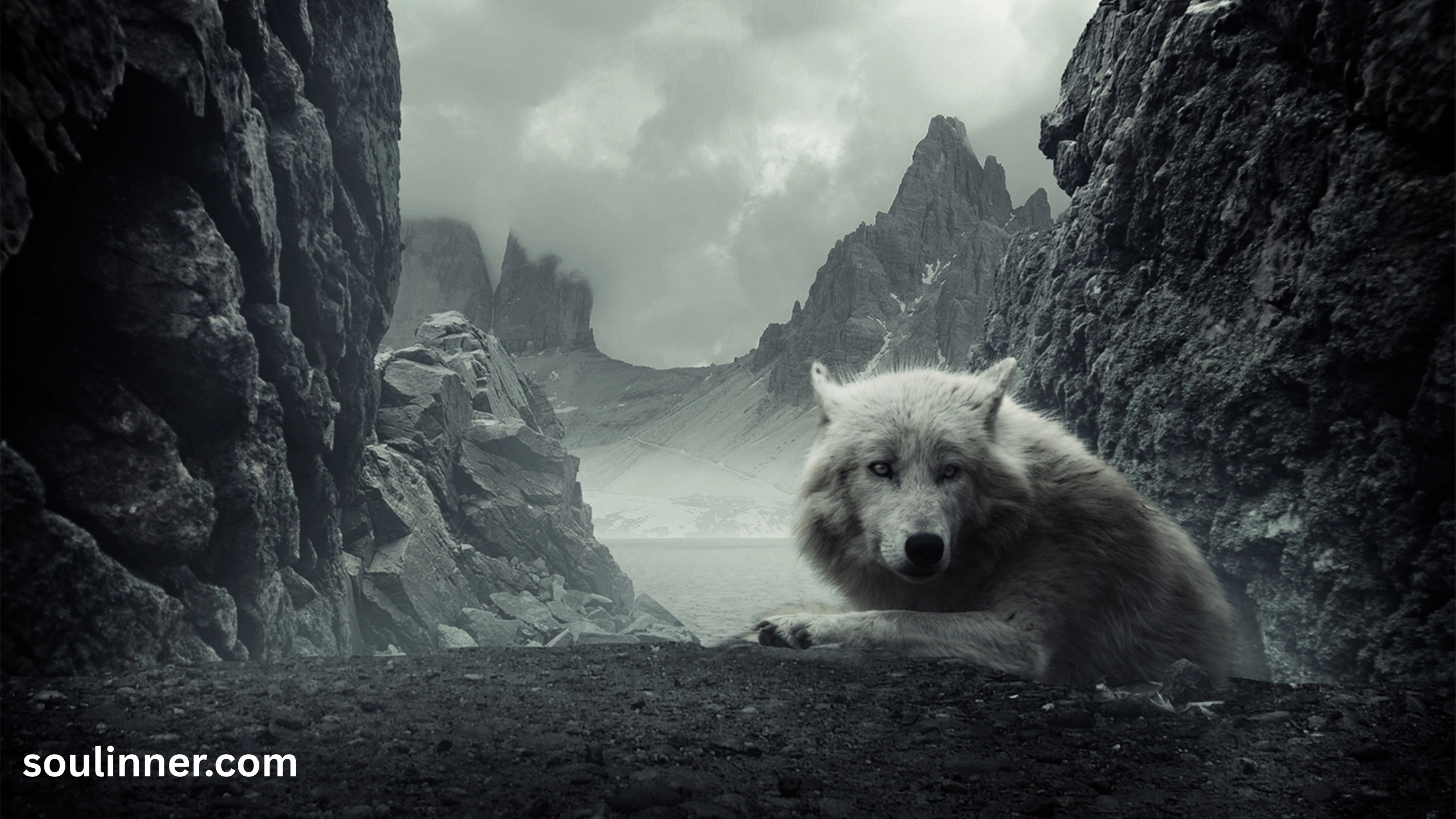
The wolf is a powerful symbol of the wild, showing how freedom, intelligence, and balance can all live together in nature. Wolf symbols often represent these qualities, illustrating how they blend to create harmony in the natural world.
In the heart of the wilderness, the wolf moves with purpose and skill. It knows how to travel across wide-open lands, from icy tundras to thick forests, always aware of its surroundings. This perfect example of wilderness wolf representation shows both freedom and respect for nature.
What does the wolf symbolize in different cultures? It typically represents a deep connection to nature, personal freedom, and adaptability. When wolves live in an area, it is usually an indication that the ecosystem is healthy and balanced. Wolves are clever hunters, using teamwork and strategy.
This is a key part of their strength and survival. Historically, the lone wolf has also been seen as a figure of strength—someone who stands alone, faces challenges, and perseveres. The meaning of wolf symbol often connects to resilience, independence, and wisdom. The wolf teaches us that even in the wildest places, strength and wisdom go hand in hand, embodying the true essence of wolf symbolism.
Read also this article: Heart of an Ox Spiritual Meaning and Symbolism
2: The Wolf as a Symbol of Freedom
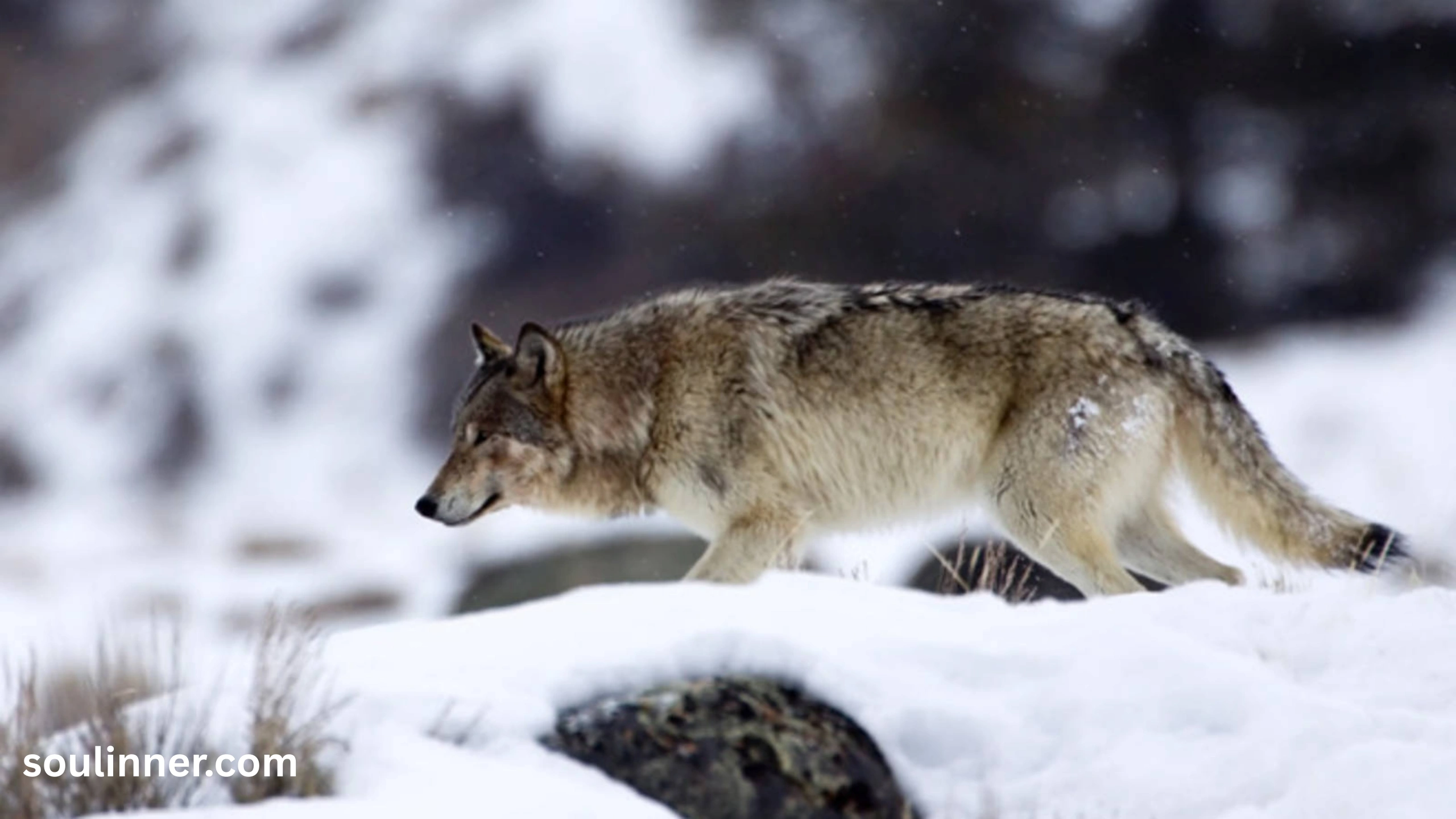
Wolves represent freedom not just in movement, but in spirit, showing strength, courage, and the will to live by their own rules. In many cultures, the wolf symbolism stands for more than just wild nature. In Mongolian wolf beliefs, these animals are seen as wise guides, helping nomadic people find new paths and fresh opportunities.
The Mongols even believed they came from wolves, honoring their fearless and tough spirit. This deep respect connects to the idea of freedom, much like the viking wolf symbol, which represents power and liberation.
Wolves move freely through forests, mountains, and open land, answering only to their instincts. Their way of life shows spiritual independence and survival without limits. That’s why the freedom symbolized by wolves has become so meaningful around the world—it reminds us that true freedom comes from trusting ourselves and finding our own way.
The norse wolf symbol also reflects this idea, symbolizing strength, courage, and the relentless pursuit of freedom. Similarly, the native wolf symbol represents the spirit of independence and the connection to nature, reinforcing the essence of freedom in the wolf’s way of life.
3: Wolves: Symbols of Intelligence and Courage
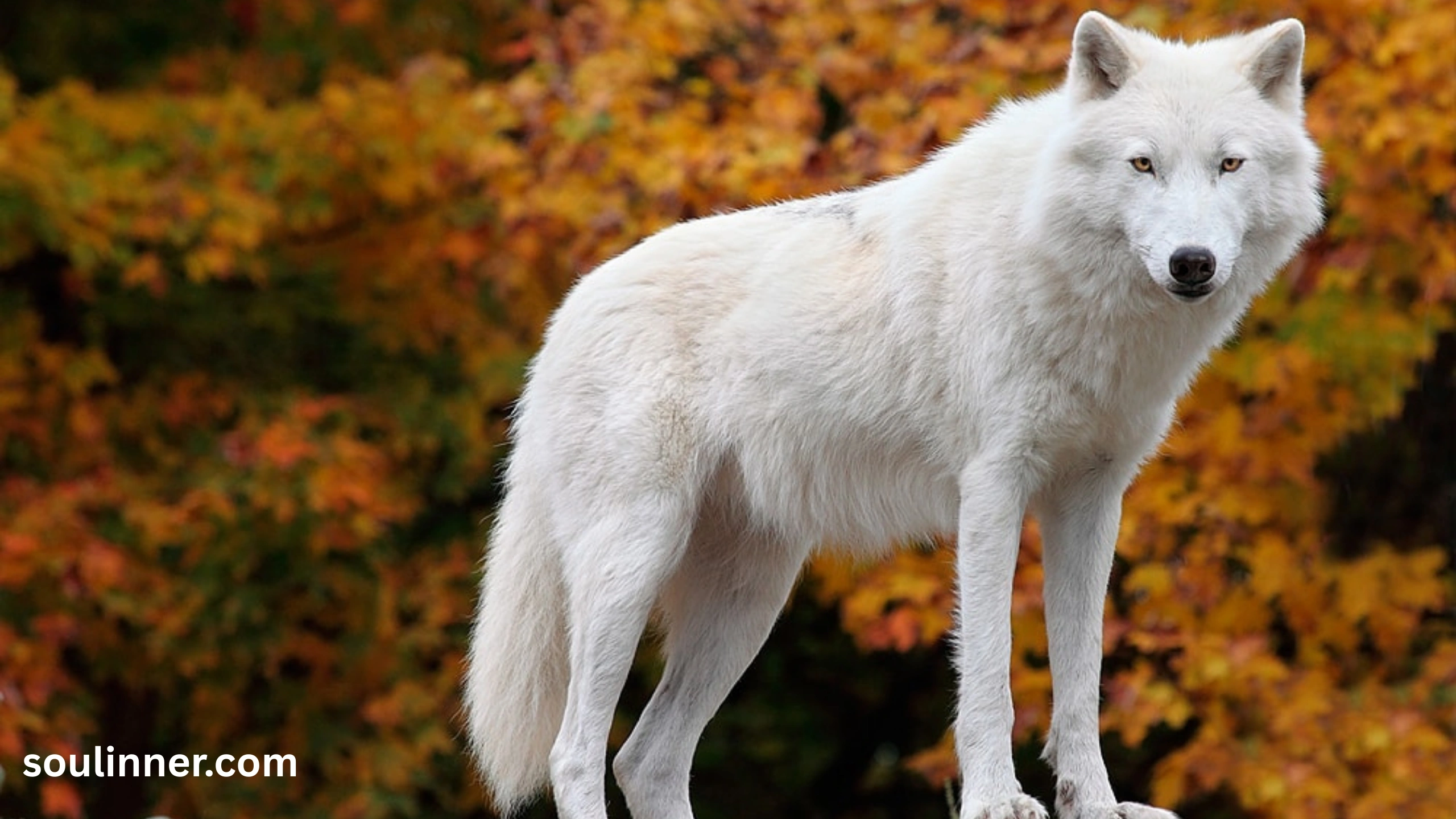
Wolves stand for intelligence and fearlessness; they think smart, act brave, and lead with strength in both nature and legend. Wolf symbolism in literature often portrays wolves as representations of wisdom and resilience, showcasing their ability to lead and survive.
In many parts of the world, wolves are seen as smart and bold. Their clever hunting strategies and strong pack structure show they know how to survive and lead. These traits make them some of the most recognized symbols of a wolf across cultures and time.
In Serbian folklore, parents named their children “Vuk,” meaning wolf, to give them protection and courage, believing the wolf’s fearless nature would guard them from harm. In Norse mythology, the giant wolf Fenrir is remembered for his great power and wisdom.
Though feared for his role in Ragnarök, he represents unstoppable strength and wild intelligence.In wolf symbolism in Native American culture, the wolf is viewed as a wise teacher, guiding people with calm strength and sharp instincts.
Many wonder, what does a white wolf symbolize, as its presence often represents guidance, spiritual insight, and transformation. The wolf motifs and cultural symbolism across various traditions reveal the wolf’s importance as a symbol of leadership and courage. Whether in stories, history, or the wild, the wolf symbolism connects to resilience, bravery, and the courage to walk alone. In dreams, a lone wolf may show someone who feels separate but strong, ready to face life on their own.
4: She-Wolf Symbolism and Spiritual Meaning
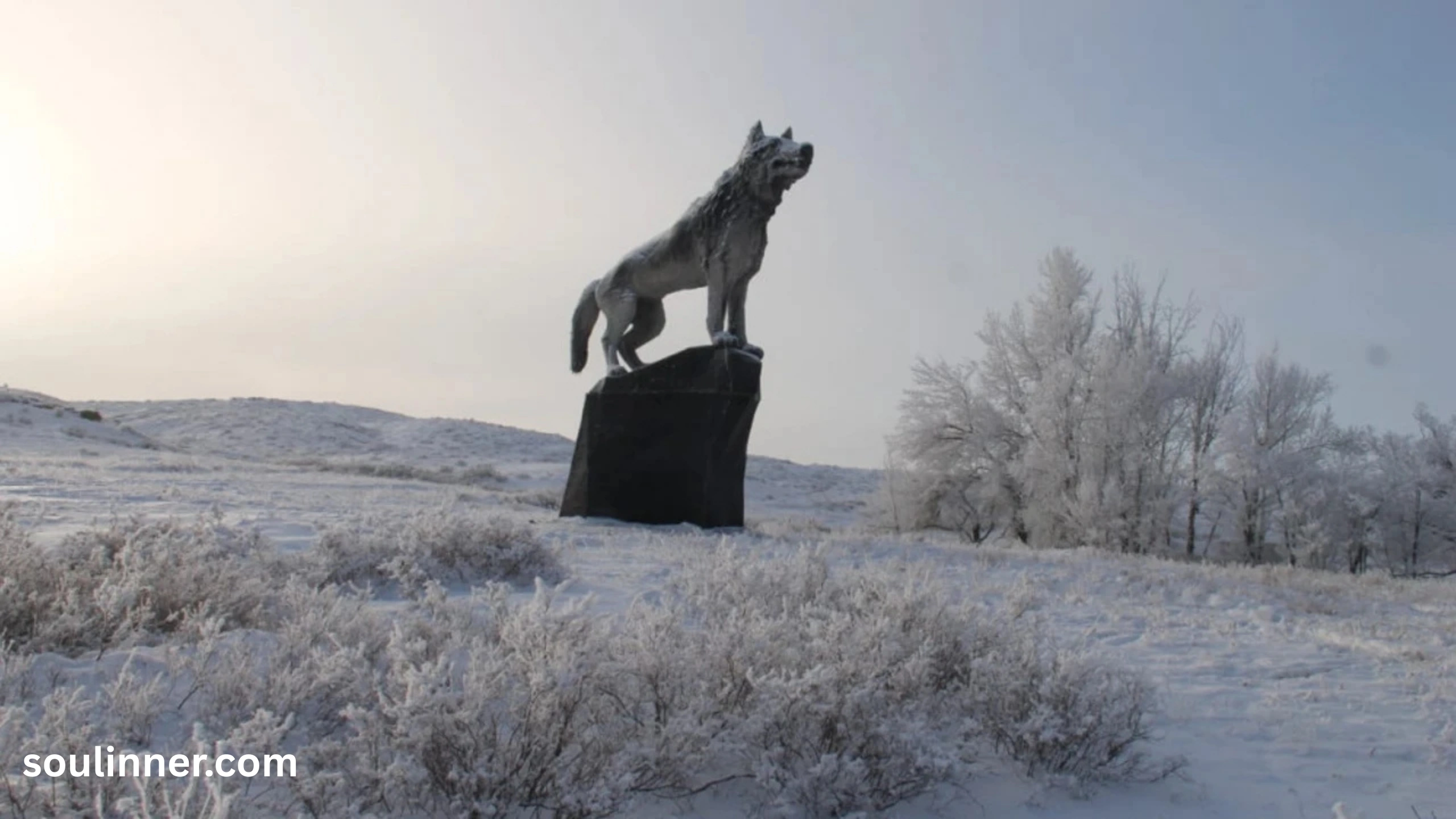
The image of a she-wolf nursing often stands for the power of wild nature to protect, nurture, and begin something new. The idea of she-wolf nursing symbolism shows up in many cultures around the world.
The most well-known story is about Romulus and Remus, twin brothers in Roman mythology who were fed and saved by a she-wolf. But this symbol isn’t just Roman; it also appears in Turkish wolf symbol and Mongolian legends, where the she-wolf helps give life and strength to future leaders or tribes.
These stories tell us something powerful: even the wildest animals can be caring and protective. The she-wolf becomes a symbol of nature’s love, showing how great societies can begin with care, strength, and support from the natural world. Across time and cultures, this symbol reminds us that kindness and survival often go hand in hand. The Wolf Symbolism also appears in Native American symbol for wolf, highlighting the wolf’s role as a protector, guiding through life’s challenges.
Read also this article: Owl Symbolism: Spiritual and Symbolic Meaning of Owls
5: Wolf Symbolism in Medieval Legends
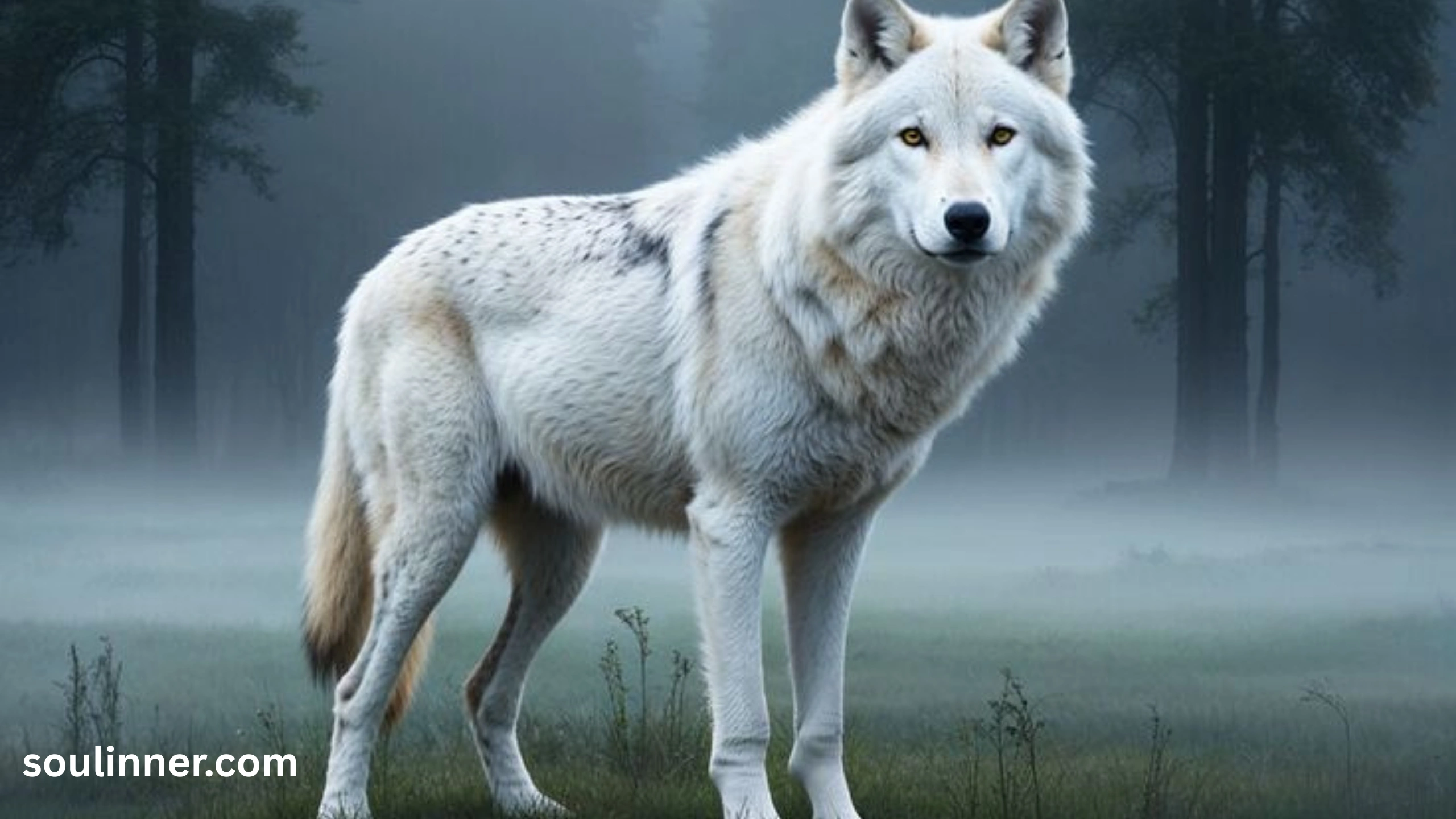
During medieval times, wolves were often seen as evil and sneaky, especially in scary tales about werewolves. In medieval Europe, people feared the wild, and that fear showed up in stories. Legends like Lycanthropy and werewolf transformation painted wolves as dark and dangerous creatures.
These tales gave rise to the idea of wolf cunning, where wolves were shown as clever but often wicked. This new image clashed with older stories that once celebrated wolves for their bravery and wisdom. Over time, this werewolf legend shaped how many saw wolves as mysterious, powerful beings tied to both fear and the unknown.
While earlier cultures respected the wolf, medieval stories added a layer of mystery and danger that still echoes in myths today. The wolves symbolism in these stories contributed to the symbol wolf being associated with darkness and fear. The symbolism of wolves in folklore and legends became more complex, intertwining with themes of power and the unknown.
6: Wolf Symbolism and Strength
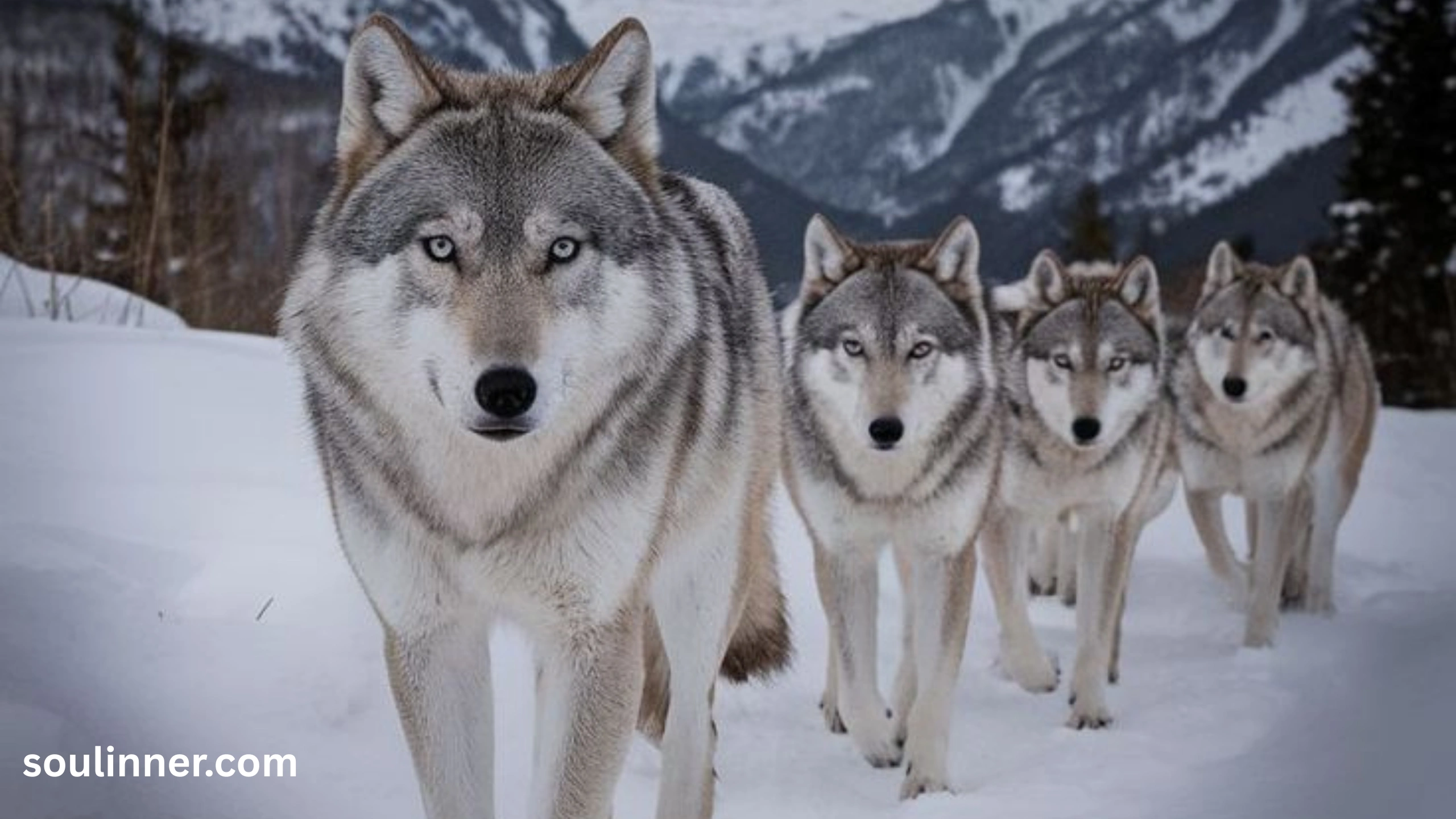
The wolf symbolizes strength through both teamwork and personal endurance, showing how power grows when we stand together. What does the wolf symbolize in different cultures? Wolves are known for their physical strength and amazing stamina. They can travel long distances and work together during hunts with perfect timing.
This pack synergy helps them survive in tough places like icy tundras and thick forests. Their howls are so strong they can be heard from miles away, making them one of the loudest animals on Earth. These powerful traits remind us of what a wolf symbolizes—a mix of inner strength and the ability to work as one.
Whether facing challenges alone or with others, the wolf teaches us that true strength comes from both courage and connection. What does the wolf symbolize in Yellowstone? The wolf represents resilience and the untamed spirit of the wild, standing as a symbol of survival and adaptation. What does the white wolf symbolize? It often symbolizes purity, wisdom, and leadership, reminding us of the strength that comes from balance and unity within the pack.
7: Wolf Symbolism of Royal Strength and Leadership
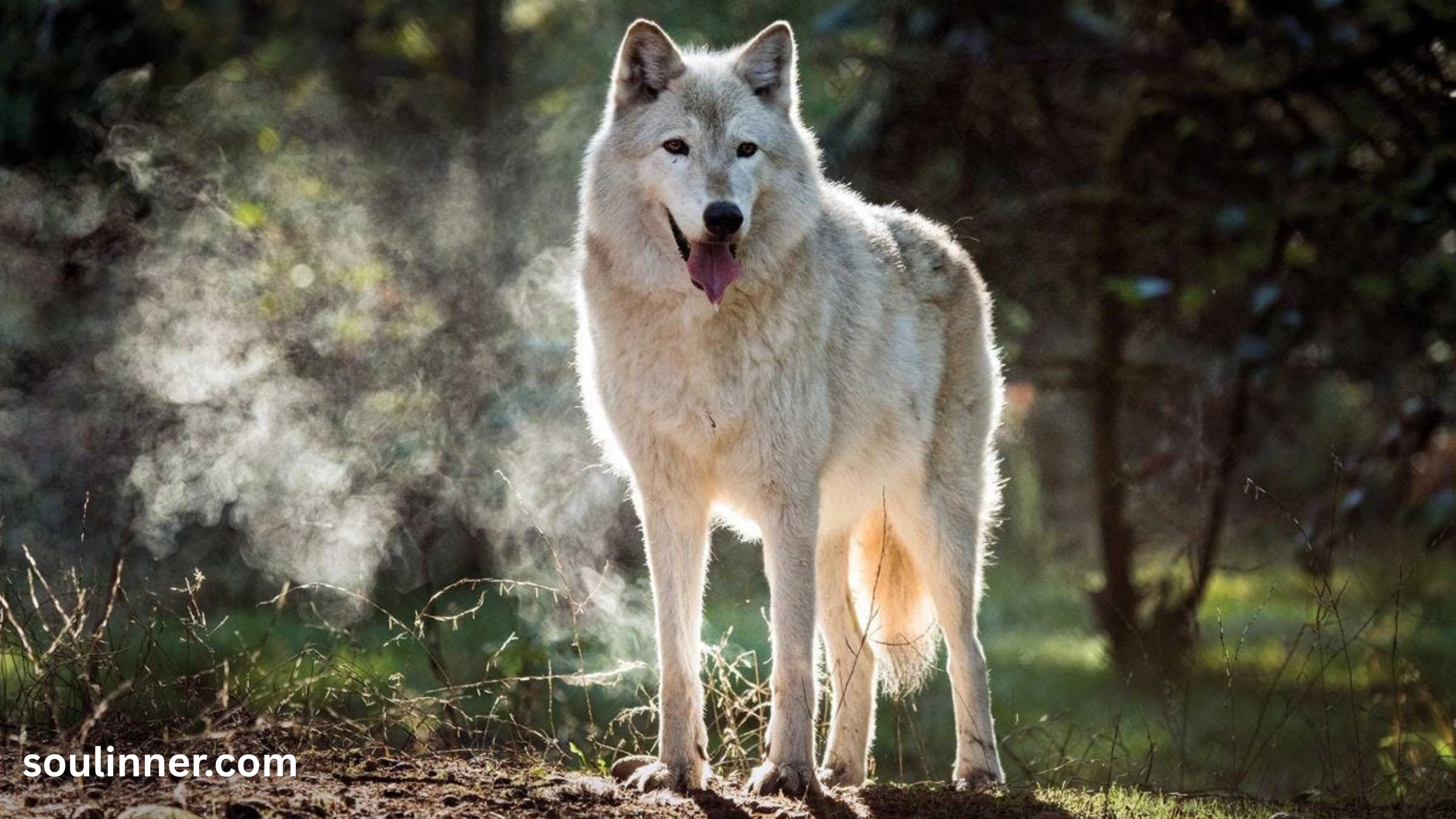
Wolves have long been used to represent bravery, loyalty, and noble roots, especially in royal symbols and ancient stories. During the Middle Ages, many noble families chose wolves for their family crests. In wolf heraldry, the animal was often shown standing tall and fierce, a sign of courage, strength, and true leadership.
These heraldic symbols helped show others that the family came from a proud and powerful background, and just like in ancient Europe, questions about wolf symbolism in the Bible also reveal how this animal was viewed in different ways. Some ask, what does wolf symbolism in the Bible teach us about faith and survival? In both cultural and spiritual contexts, the wolf continues to stand as a complex and powerful symbol.
In the Bible, the wolf holds significant meaning, with the Tribe of Benjamin being linked to the wolf, showcasing its connection to divine favor and strong leadership. What does a wolf symbolize in the Bible?
It represents strength and leadership, embodying power in ancient Middle Eastern cultures. The black wolf symbolism in the Bible is often associated with mystery and protection, while the white wolf symbolism in the Bible connects to purity and divine guidance. Whether on flags or in sacred texts, the wolf symbolism continues to be a mark of honor, strength, and royal spirit.
8: The Symbolism of the Lone Wolf
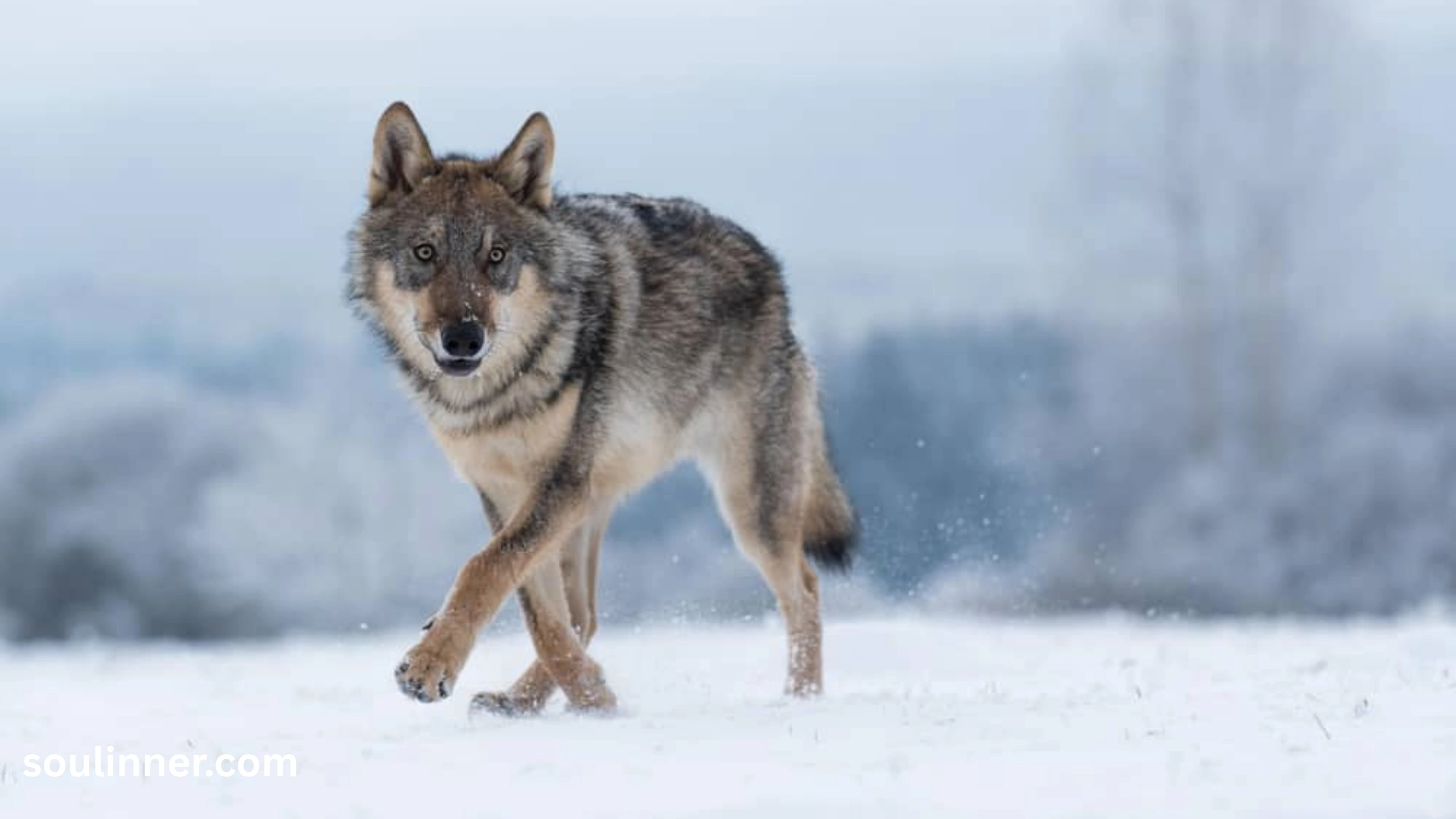
The idea of the lone wolf may seem like loneliness, but in truth, wolves are social animals that depend on teamwork and loyalty to survive.Many people think of a lone wolf as a creature that wants to be alone, but this view misses the deeper truth.
Wolves are not meant to live by themselves. They belong to packs, where they hunt together, protect one another, and share roles. Their strong wolf pack mentality is built on loyalty, cooperation, and communication.
Sometimes, a wolf may leave the pack for a short time to find a mate or explore a new area but it usually returns or starts a new pack. What does a wolf symbolize negative? In some cultures, a lone wolf is linked to negative traits, but the wolf symbolism goes beyond that, showing their strength in unity. In stories from Norse mythology, like the fierce Fenrir, and symbols like wolf heraldry from the Middle Ages, wolves are shown as powerful and smart.
In Mongolian culture and Japanese mythology, they’re even seen as spirit guides who protect and guide others, never truly alone. Wolf moon symbolism also reflects this, as the moon represents the connection between the pack and nature.
Today, the lone wolf is sometimes linked to negative actions, but in nature, this kind of solitude is only temporary. The real strength of wolves comes from their unity, showing that their heart lies not in loneliness, but in deep bonds with their pack.
Read also this article: Dog With 2 Different Colored Eyes Spiritual Meaning and Symbolism
9: Wolf Pack Behavior and Teamwork
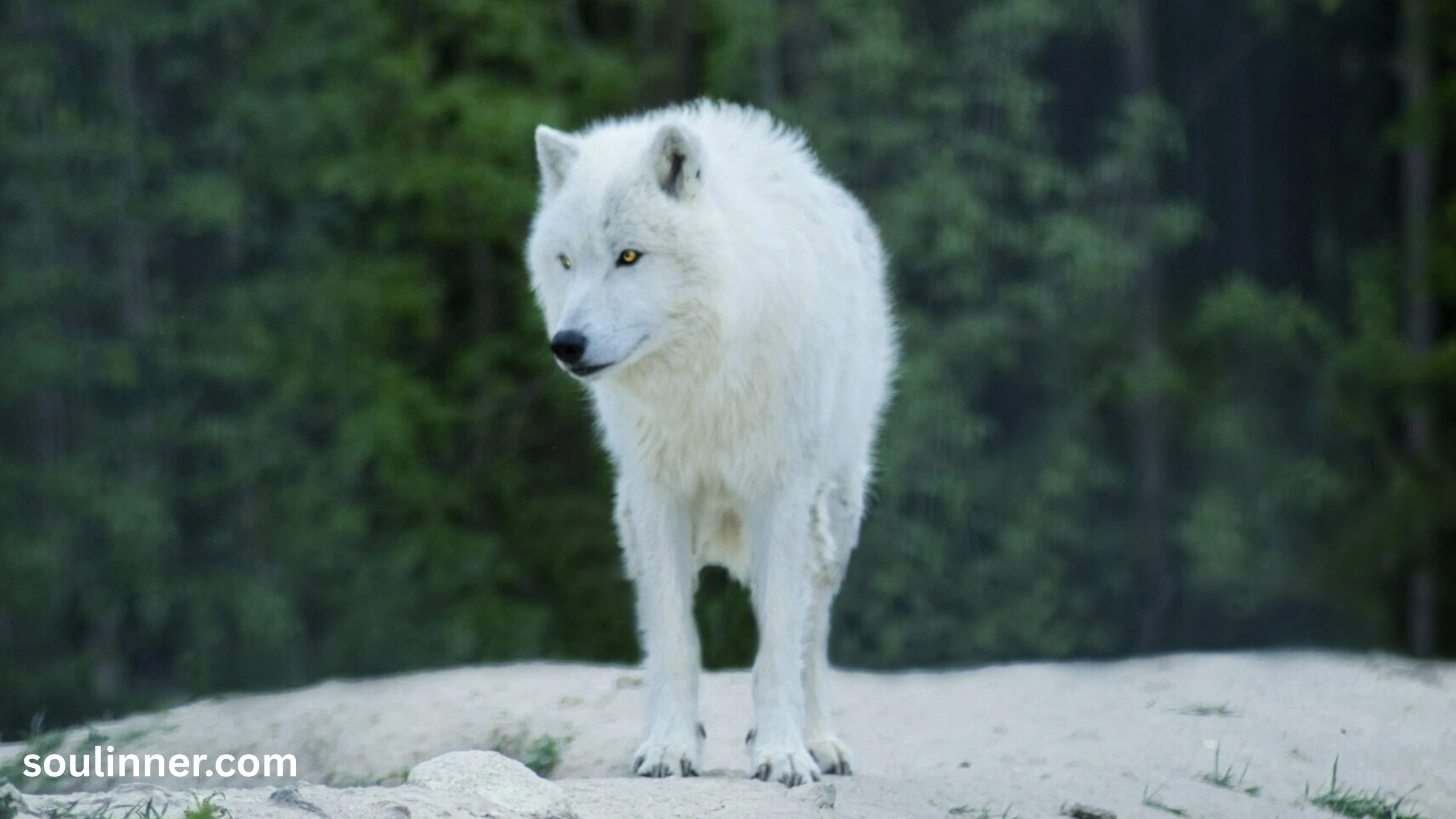
Wolves live in packs that follow strong teamwork, clear roles, and deep loyalty, which has even inspired how humans teach group values. The way wolves live together shows us how important it is to work as a team. In a wolf pack, each member has a role, from leaders to helpers, and they all support one another. Their pack mentality blends structure with cooperation; leaders can change, and everyone has a part to play, which embodies the true symbol of the wolf and the symbolism of a wolf.
This system of wolf loyalty and order has inspired people as well. For example, the Cub Scouts’ native american wolf symbols are used in their program to teach kids about responsibility, respect, and working as a group. In the wild, where wolves protect, hunt, and survive together, we can learn how powerful a group can be when everyone sticks together and plays their part. This is the essence of wolf symbolism, teaching us the strength and value of unity.
10: Wolves as Spiritual Protectors
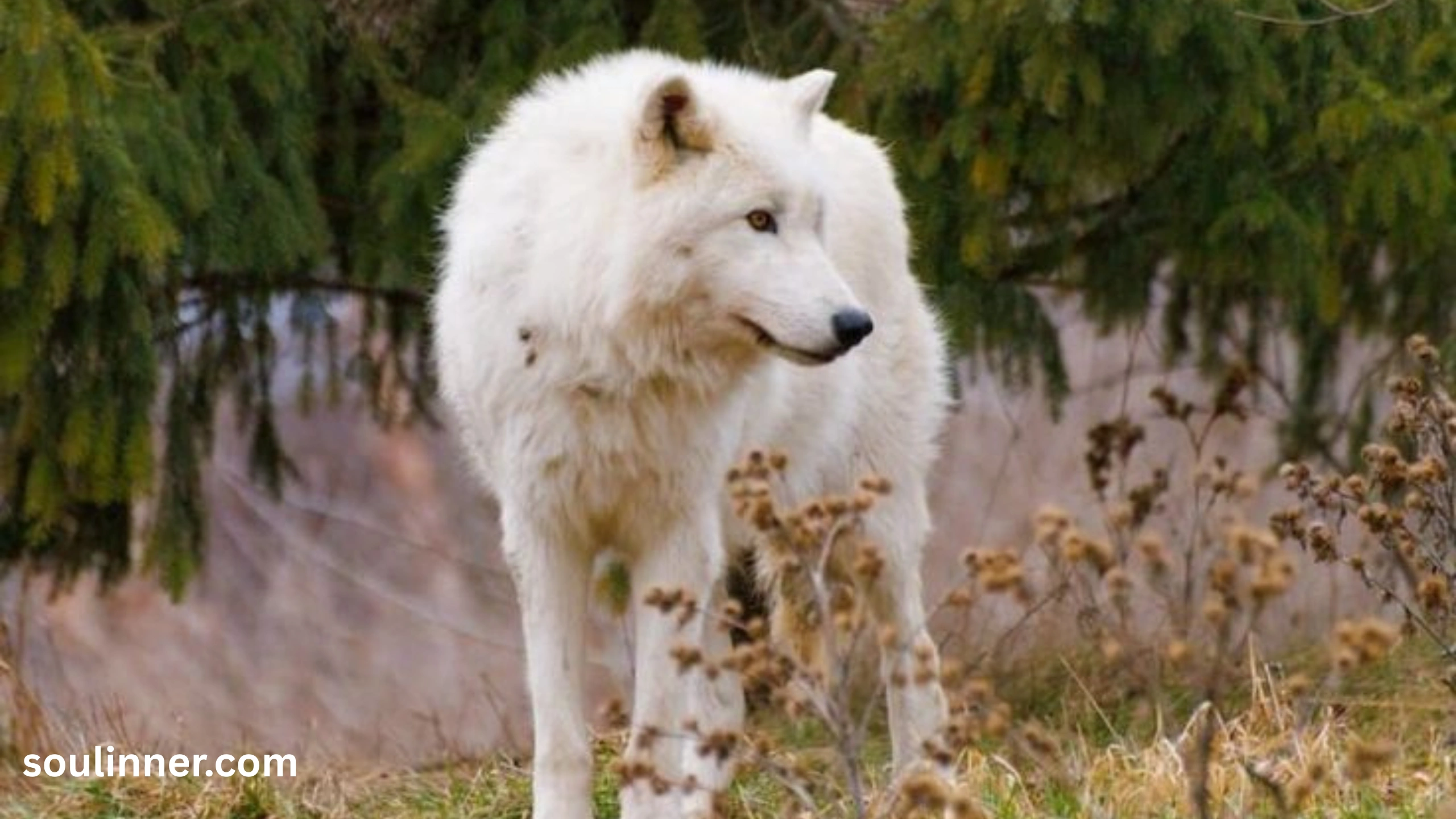
In Japanese tradition, wolves are seen as protectors who guide and guard people, especially in mountain areas. The wolf protector Japan belief shows wolves as more than just wild animals; they are powerful guardians. In Japanese culture, the Okami wolf is a sacred spirit that watches over the mountains.
Stories passed down for generations tell how these wolves helped lost travelers find their way home and even kept villages safe from natural disasters like floods or storms. Similarly, American Indian wolf symbolism often portrays wolves as wise and protective beings, emphasizing their deep connection to the earth and its cycles.
Celtic wolf symbol also carries the meaning of guardianship, with the wolf being revered for its strength and loyalty. The wolf native american symbolism highlights the wolf as a guide and protector, much like the Japanese beliefs, reminding us of the unseen ways nature cares for us. These traditions teach that wolves are not to be feared, but respected for their wisdom and protective role in the world.
Wolf Symbolism in Mythology and Spirituality
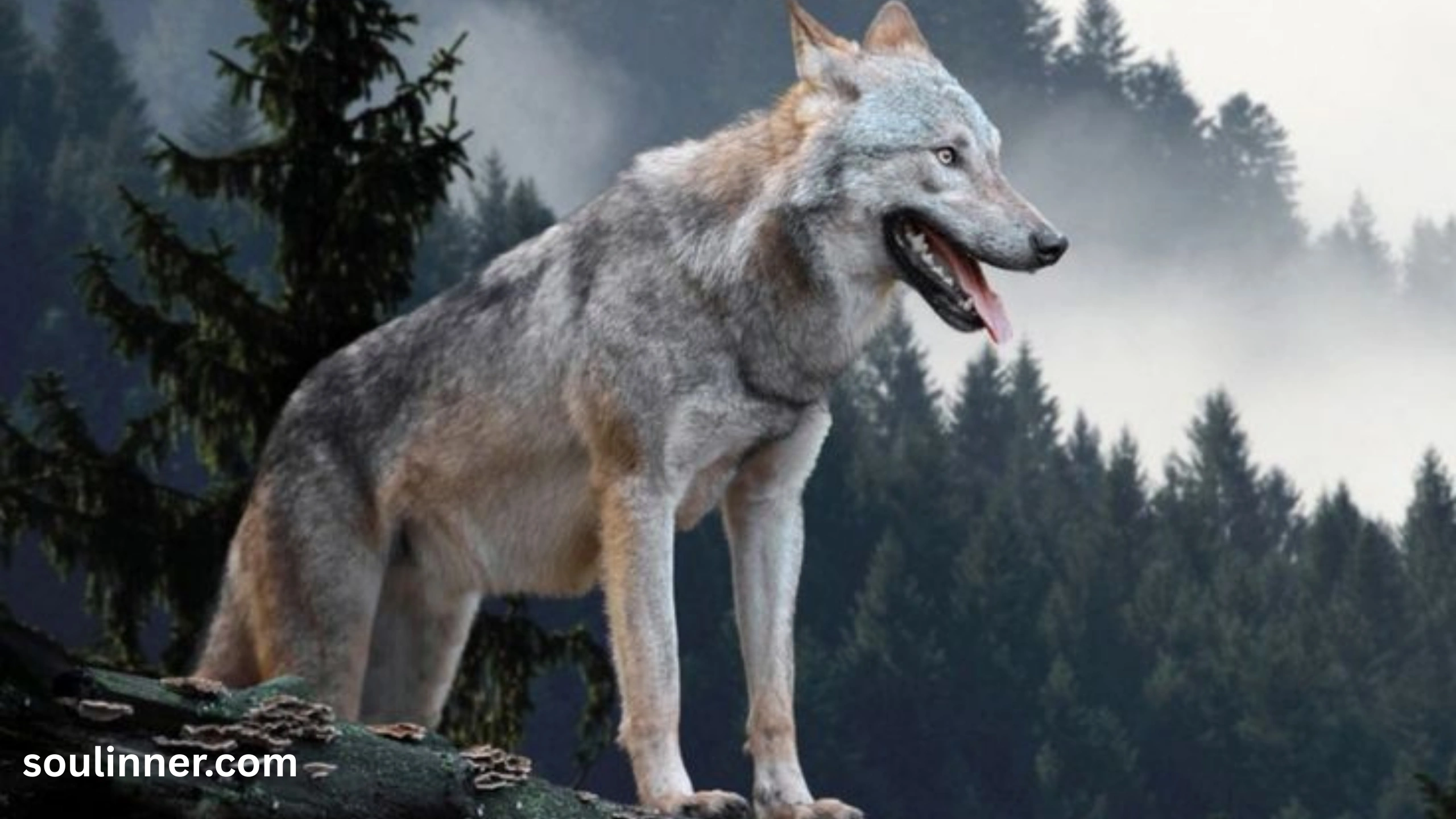
Wolves in myths often symbolize power, fate, and the deep bond between nature and the spirit world. The spiritual meaning of a wolf can be seen in many cultures, where wolves represent powerful forces that guide and protect.
In Norse mythology, the massive wolf Fenrir is known as the son of Loki. His name means “he who lives in the marshes,” and he plays a key role in the story of Ragnarök, the great battle that marks the end of the gods. Wolf symbolism meaning in mythology often portrays Fenrir as a symbol of destruction and change, embodying both the destructive and transformative aspects of the wolf.
In Irish mythology, wolves are deeply respected. The Irish name for wolf is Mac Tíre, meaning “Son of the Countryside.” The forest god Cernunnos is often shown alongside wolves, highlighting their link to nature and wild energy. The battle goddess Morrígan was said to shape-shift into a red wolf, as well as birds like ravens and crows, symbolizing the symbolic meaning of the wolf as a creature of both destruction and renewal.
In Welsh stories, wolves were close to moon goddesses like Cerridwen, showing their connection to mystery, transformation, and nature’s cycles. Across cultures, wolf symbolism in mythology and folklore demonstrates how these powerful animals have always been seen as guides between the human world and the wild unknown.
Read also this article: What Is the Dead Squirrel in Yard Spiritual Meaning?
Wolf Symbolism in Dreams
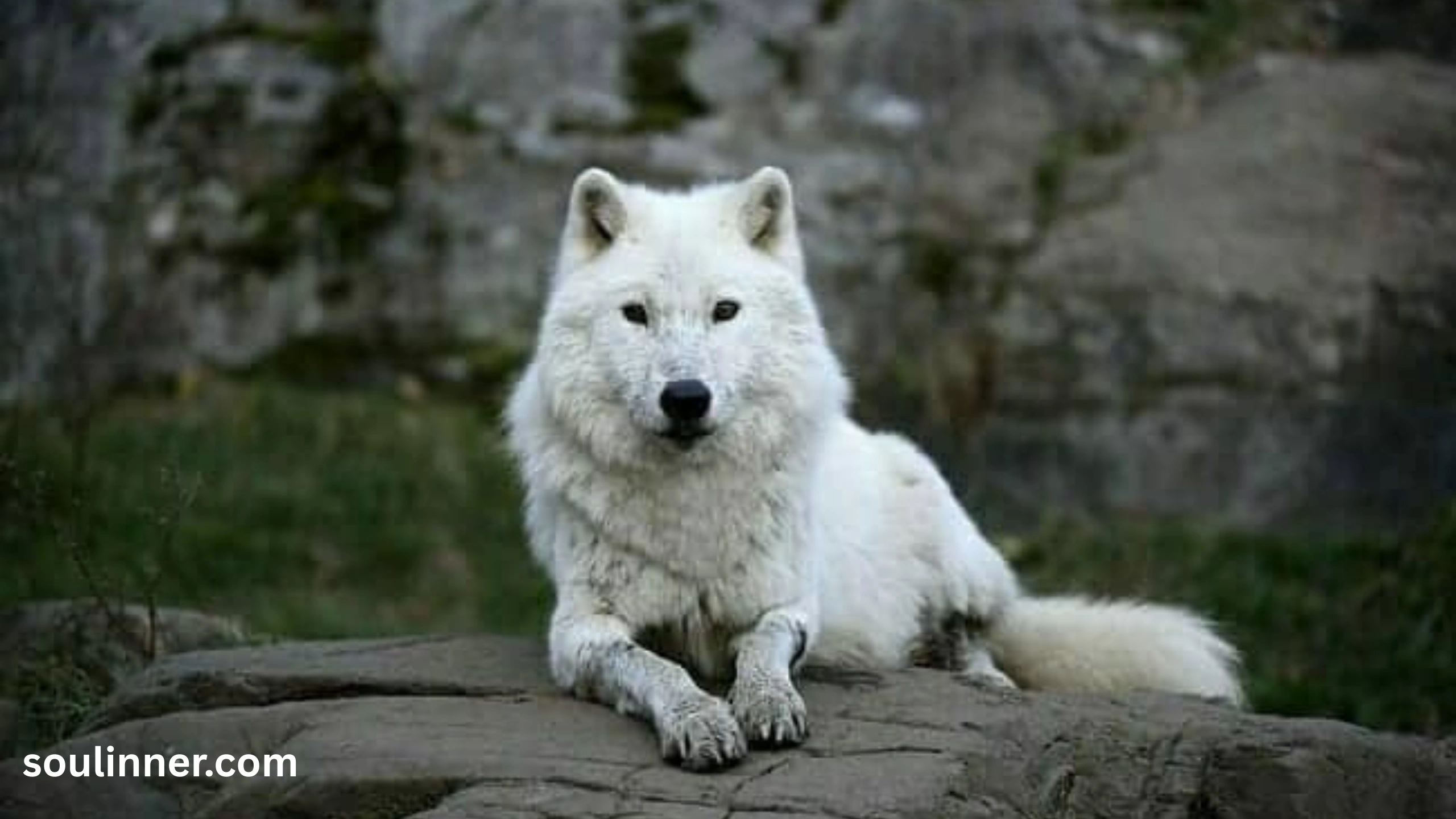
Seeing a wolf in a dream can mean many things like strength, protection, or a desire to be more independent. In dreams, wolves often show up when you’re facing a challenge or learning to trust your instincts. Some people say that dreaming of a lone wolf means you’re searching for freedom or going through something on your own, reflecting the wolf energy and symbolism. Other times, a wolf may appear as a protector, guiding you through tough emotions or warning you of danger.
Different cultures see wolves in dreams as powerful symbols. In Native beliefs, they may represent a spirit guide, while in other traditions, they might reflect inner strength, courage, or a connection to nature. Whether standing alone or part of a pack, a wolf in your dream often speaks to your inner world and what your heart is trying to tell you.
This is closely tied to Wolf symbolism in literature and art, where wolves often represent the duality of nature and the human spirit. Some may also interpret the wolf symbolism negative, viewing the wolf as a symbol of danger or fear, but it can also signify growth and transformation.
Dreams About Fighting or Facing a Wolf Attack
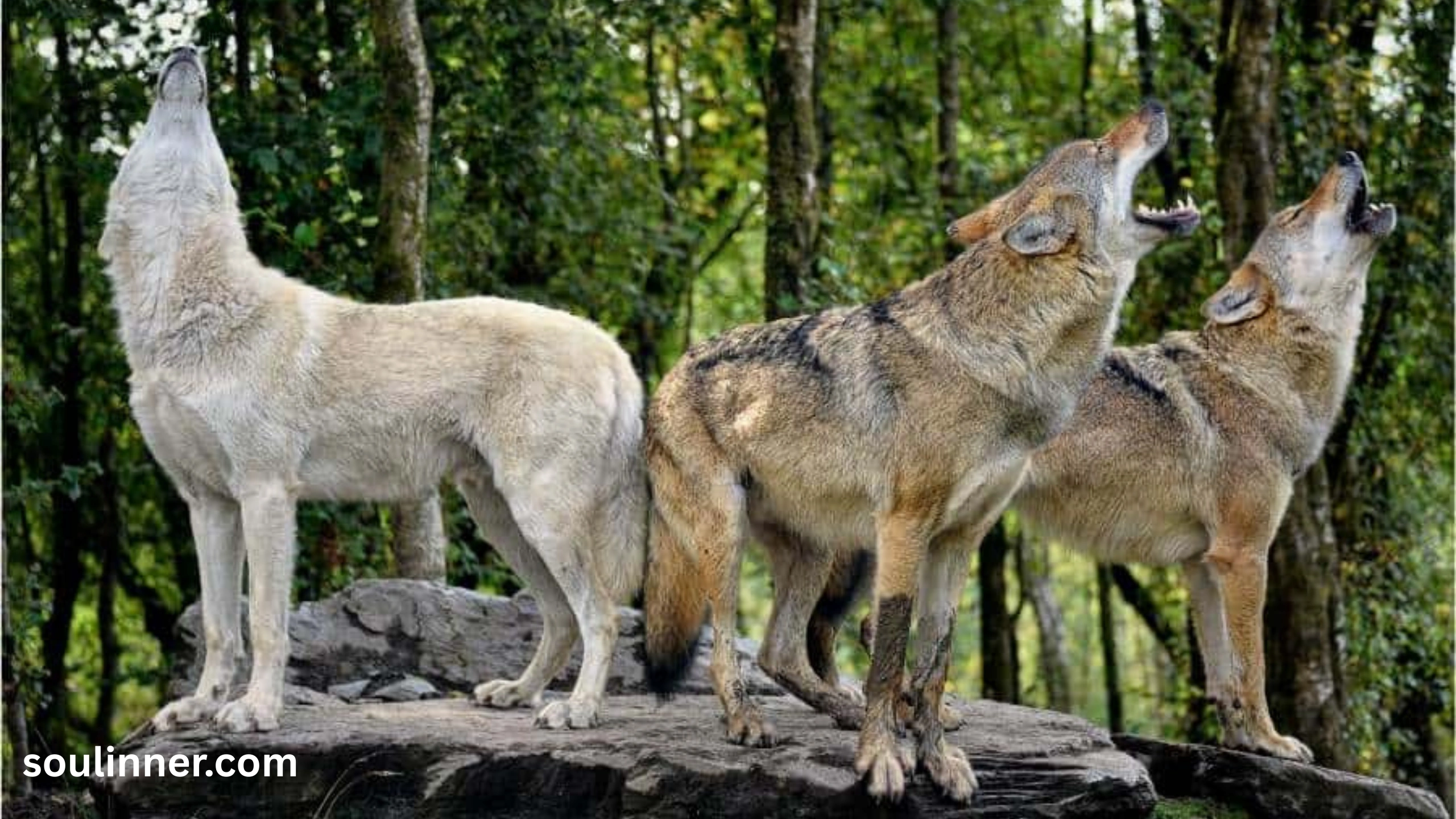
Dreaming of a wolf fight or attack often means you are facing fears or big changes that help you grow stronger inside. What do wolf tattoos symbolize in this context? Many people choose wolf tattoos to represent resilience, bravery, and the ability to overcome challenges—mirroring the message in these dreams.
When you dream about fighting a wolf or being attacked by one, it usually reflects a battle with your own feelings or instincts. These kinds of dreams can show that you’re dealing with a tough situation or trying to overcome something deep within yourself. The wolf in this case becomes a warrior symbol, helping you face fear and grow stronger.
Sometimes, a lone wolf in dreams points to a time when you need to look within, think quietly, and grow through reflection. The witcher wolf symbol, associated with strength and wisdom, echoes this idea of facing struggles alone but with power and resilience.
These dream experiences are not meant to scare you—they’re reminders that even frightening moments can lead to strength, change, and personal growth, embodying the core message of wolf symbolism.
Dreaming of a Wolf Running or Moving
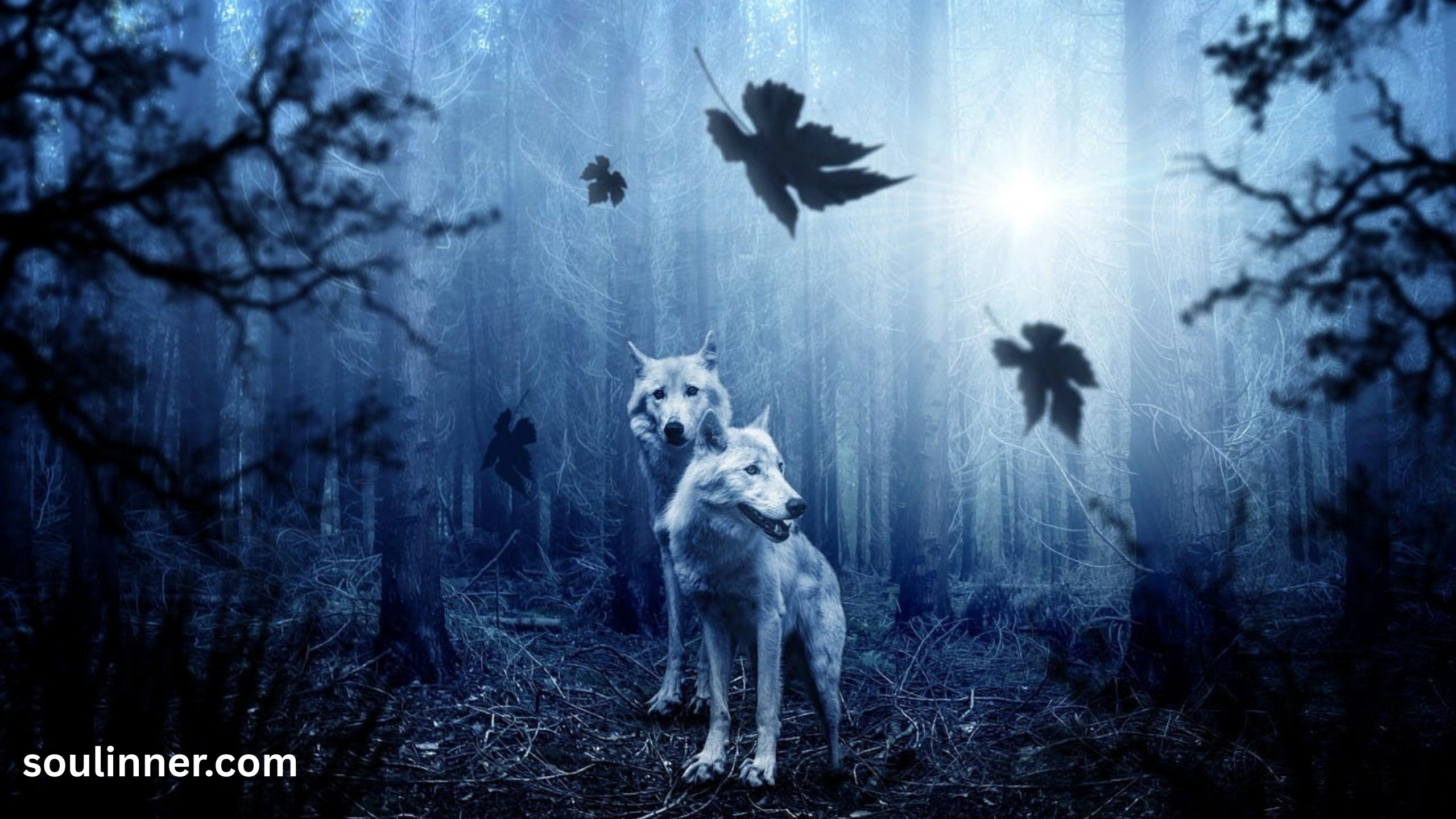
A moving wolf in your dream often shows your need for freedom and finding balance between your wild side and calm self. The symbol for lone wolf can reflect this journey, as it represents independence and the desire to follow your own path. When you see a wolf in motion—whether running, walking, or roaming—it may reflect your personal journey or a desire to break free from something holding you back.
These dreams often speak to your life direction, showing that you’re moving forward or searching for your true path, much like the symbol lone wolf, which represents personal growth and the courage to face challenges alone. In many myths, wolves show a duality—they are both wild and wise.
Dreaming of a wolf like this may mean you’re trying to balance your free spirit with your thoughtful side. It’s a sign that you’re growing, learning, and becoming more aware of your instincts and goals.
The symbolism for wolf is tied to this balance, reminding us that the wolf’s true power comes from both its wildness and wisdom. Wolf symbolism often teaches us how to integrate freedom with wisdom for personal growth.
Wolf Symbolism and Spiritual Meaning in Dreams
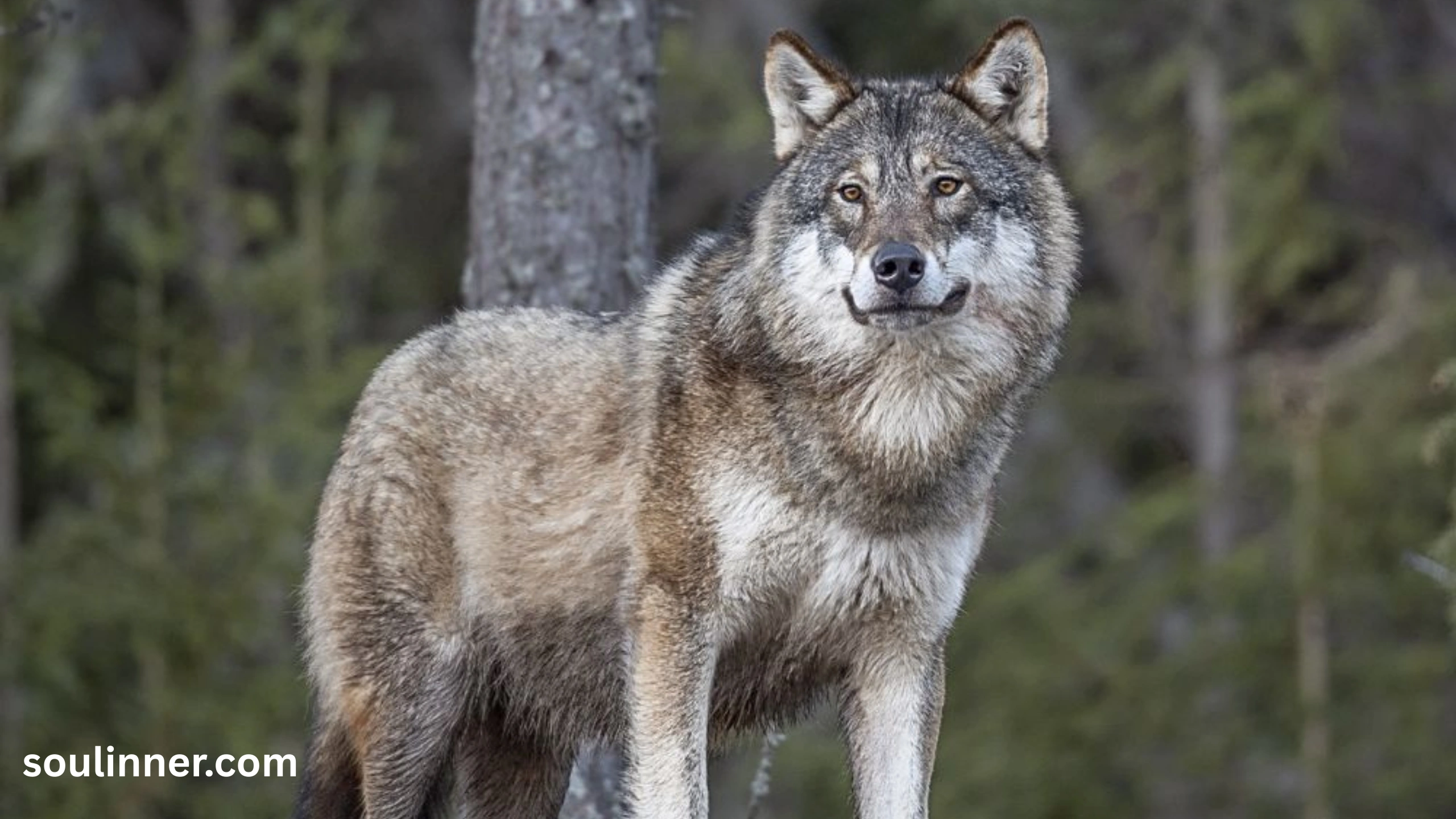
Seeing a wolf’s body in a dream often shows personal strength, protection, and the power that comes from within. In dreams, the wolf body symbolism can stand for how strong, healthy, or confident you feel. It may also reflect your energy and the way you protect yourself or care for others. Sometimes, these dreams connect with the wolf’s maternal nurturing role, showing love, comfort, and the need to keep someone safe.
What does a wolf symbolize in dreams? It can symbolize resilience and inner strength. The white wolf symbolism in dreams often reflects purity and spiritual growth, while the wolf spiritual meaning love highlights the protective and caring qualities. The wolf imagery meaning in dreams connects with the idea of instincts, survival, and personal courage.
Wolf Dream Symbolism
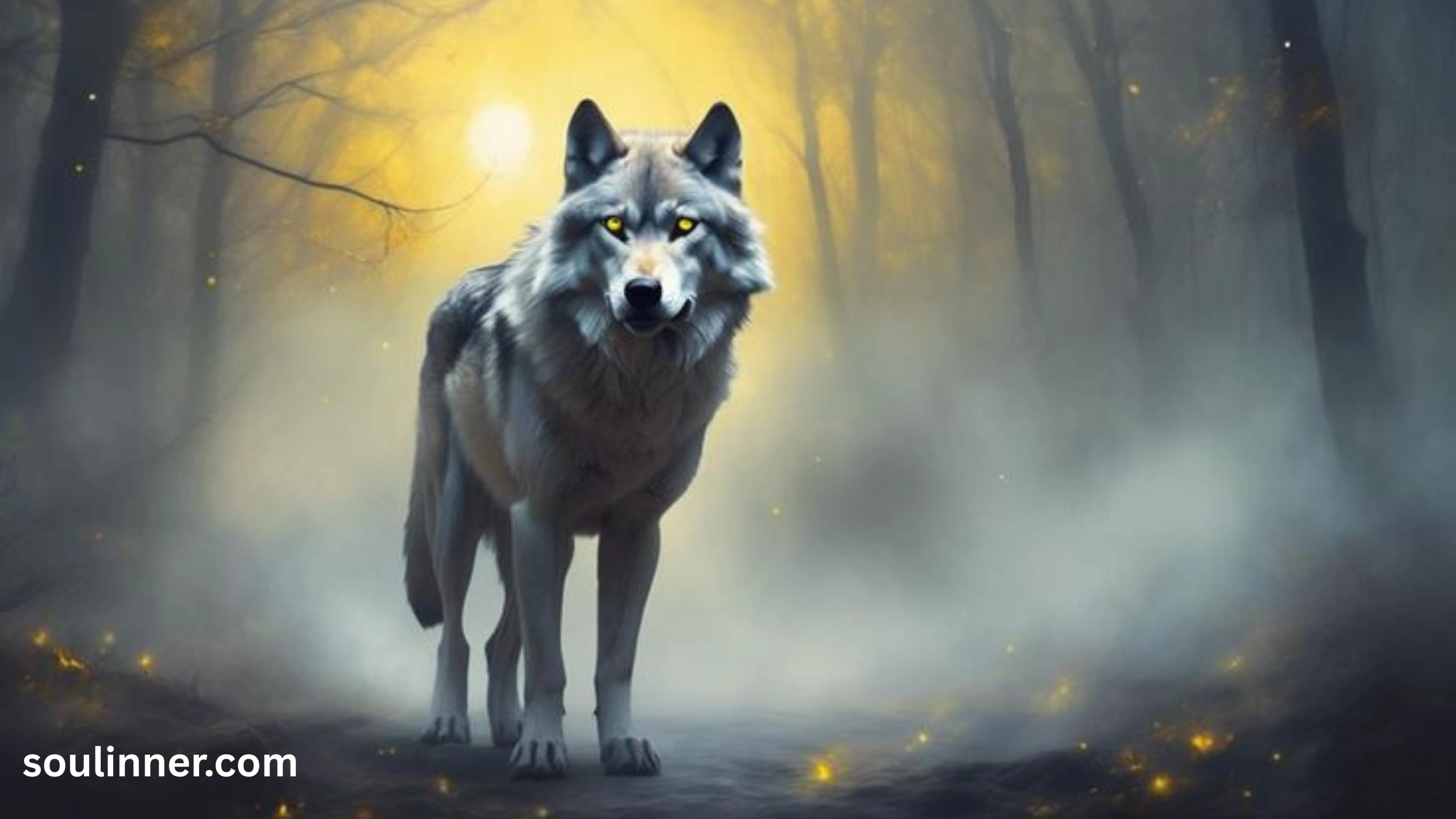
Dreams about wolf packs often show a need for connection, while lone wolves in dreams may reflect a time of personal growth or independence. When you dream of a wolf pack, it usually means you’re thinking about your family, friends, or feeling part of a group.
These dreams remind you how important teamwork and support are. On the other hand, seeing a lone wolf in your dream may point to a moment in life when you’re learning to stand on your own, representing the wolf symbolism meaning for personal growth. Many wolf transformation myths influence how we understand these dreams.
They often link to change, showing that you might be growing, becoming stronger, or finding a new part of yourself. The wolf archetype meaning in psychology often ties these transformations to our inner strength and the journey to find balance between independence and connection. Whether you’re surrounded by others or walking alone, symbolic interpretation of wolves in your dreams often tells a story about who you are becoming.
Wolf Color Symbolism and Meaning
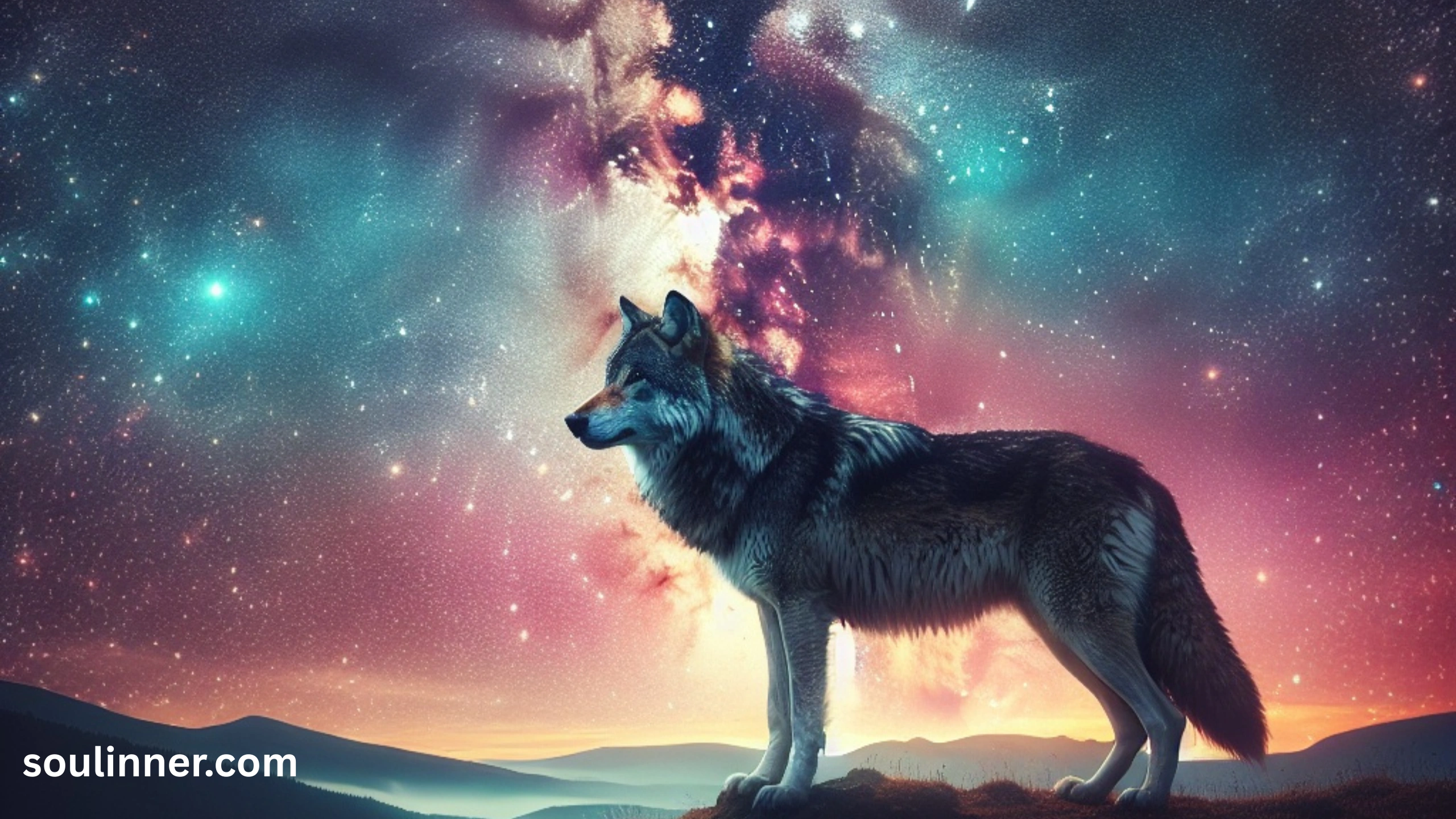
Each wolf color symbolizes something unique, like courage, mystery, or wisdom, depending on cultural beliefs and tribal traditions. In many traditions, wolves are seen as powerful symbols, and their color adds extra meaning. A white wolf might symbolize purity or guidance, while a black wolf can stand for strength or the unknown. These ideas come from wolf and tribal ancestry beliefs, where colors are often linked to parts of nature or deep human emotions.
In the world of symbolism of wolves, every shade tells a story. From gray wolves that reflect balance to red ones linked with passion, cultures around the world use wolf colors to explain personal traits, natural forces, and life changes. Wolf symbolism in tattoo designs reflects these meanings, with different colors chosen to represent specific qualities.
Similarly, wolf symbolism in astrology and zodiac often associates wolf colors with particular traits tied to the zodiac signs. Wolf symbolism in Celtic traditions connects wolf colors to deeper spiritual meanings, representing strength, guidance, and the connection to nature.
white wolf symbolism
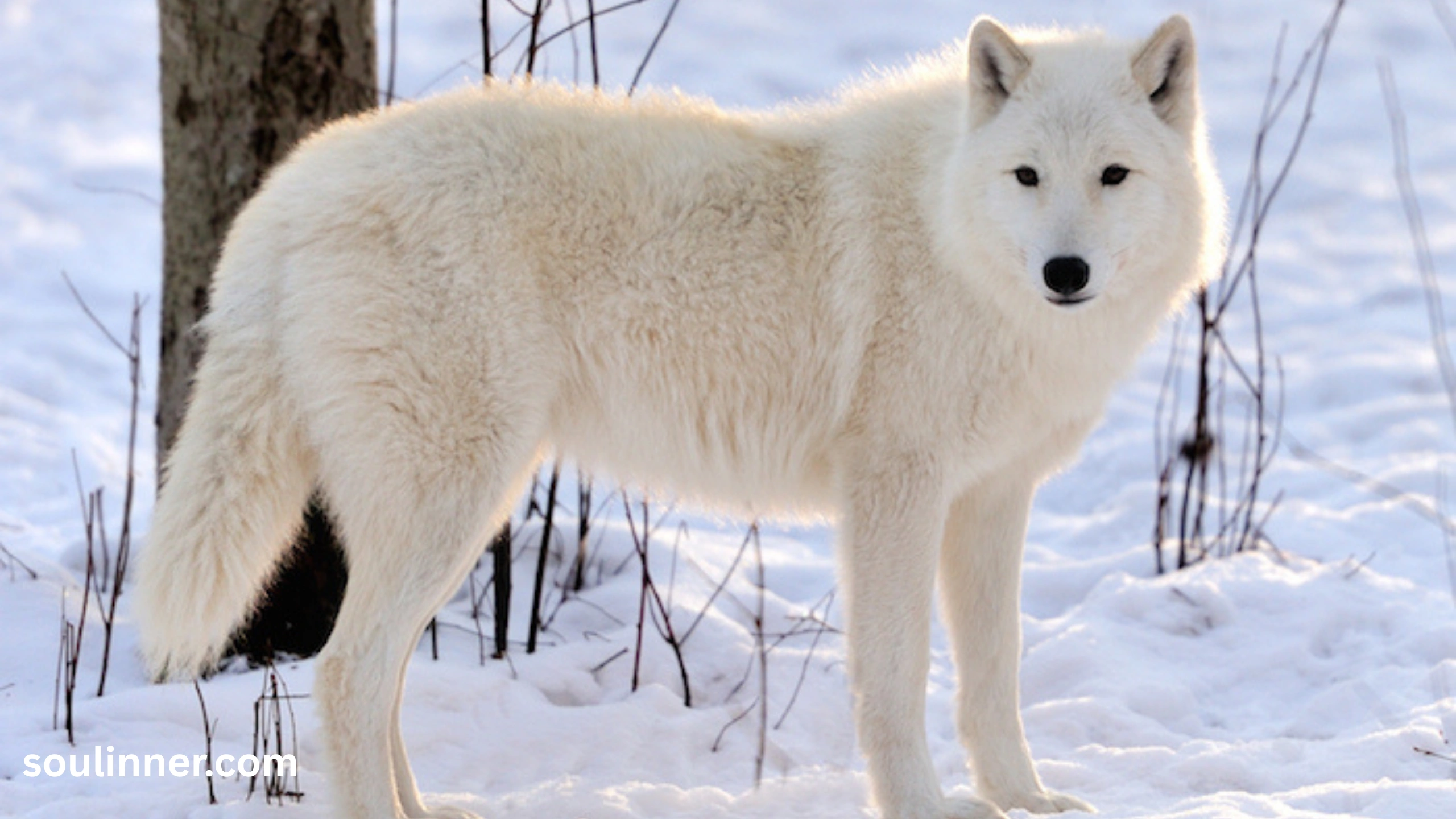
The white wolf spiritual meaning represents purity, wisdom, and guidance, often seen as a powerful teacher in both nature and spiritual stories. Across various cultures, the white wolf is considered a special figure symbolizing clear thinking and inner peace. In wolf symbolism, the white wolf is often connected to snowy landscapes, where it moves with calm and focus, reflecting deep understanding and strong instincts.
Its presence suggests a sense of clarity and the importance of quiet strength. In spirit animal wolf traditions, particularly in Native American cultures, the white wolf is viewed as a wise guide, helping individuals navigate their paths. It embodies a high level of spiritual awareness, teaching us to remain true to ourselves while respecting nature and others.
Whether in dreams or legends, the white wolf carries a message of balance, clarity, and inner strength. This symbolism reflects how the spirit animal quiz may guide individuals to better understand their true selves and the deeper meanings in life.
Grey Wolf Symbolism
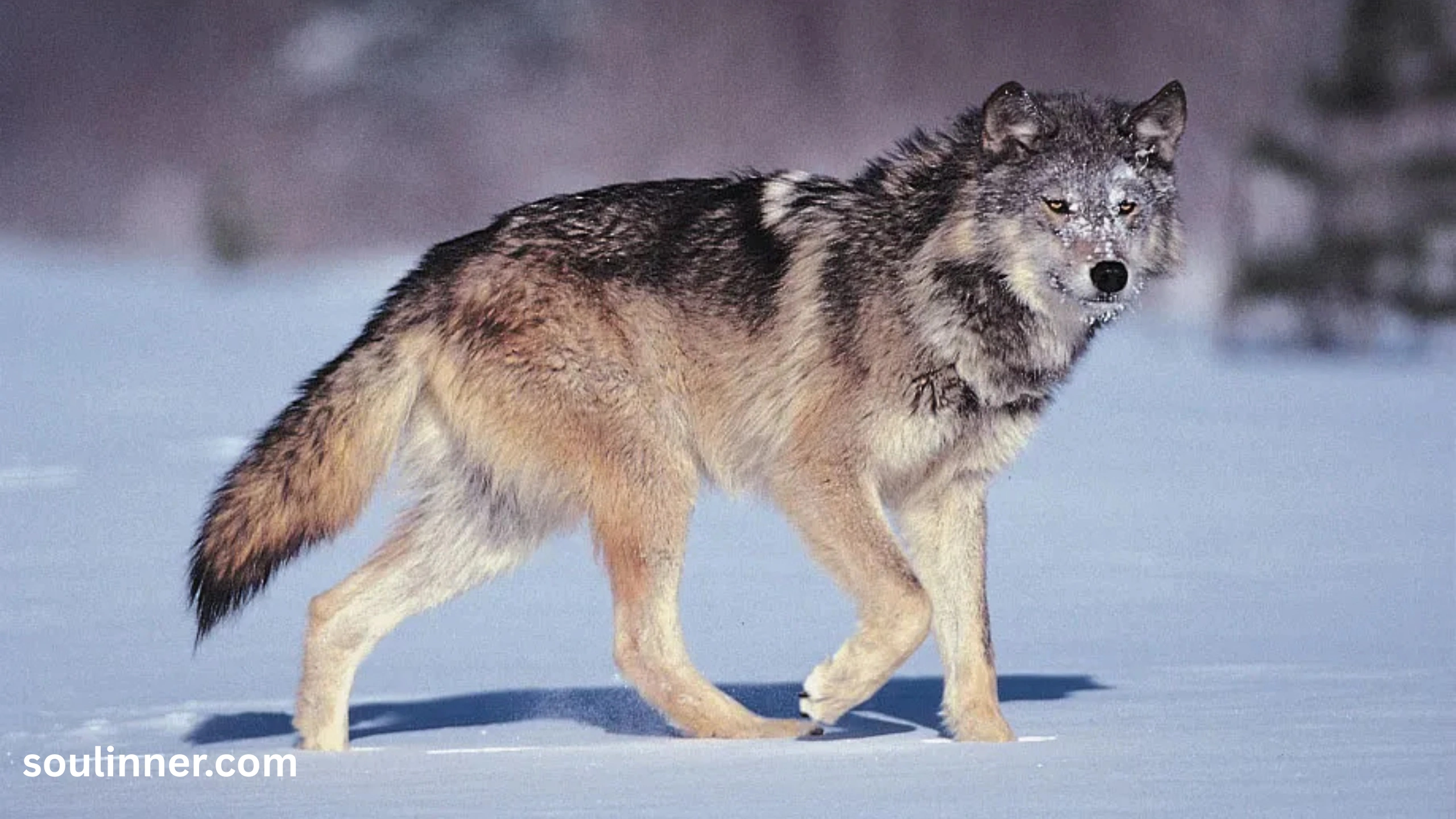
The grey wolf symbolizes balance, wisdom, and the ability to adapt through both instinct and intelligence. What does wolf symbolize in various cultures? The grey wolf, being the most common in the wild, embodies strength that arises from being both intelligent and steady.
Its grey color, positioned between black and white, represents the importance of finding balance in life. This reflects the true essence of wolves, who understand when to lead, when to follow, and how to adapt to their environment to survive. The symbolism white wolf often represents purity, wisdom, and clarity, while what does a black wolf symbolize signifies power, mystery, and hidden potential.
The grey wolf embodies both of these aspects, showing that true strength comes from blending contrasting traits. Wolf symbolism teaches us to trust our instincts and intellect, reminding us that life is about finding balance, living with purpose, and maintaining calm strength in any situation.
Black Wolf Symbolism
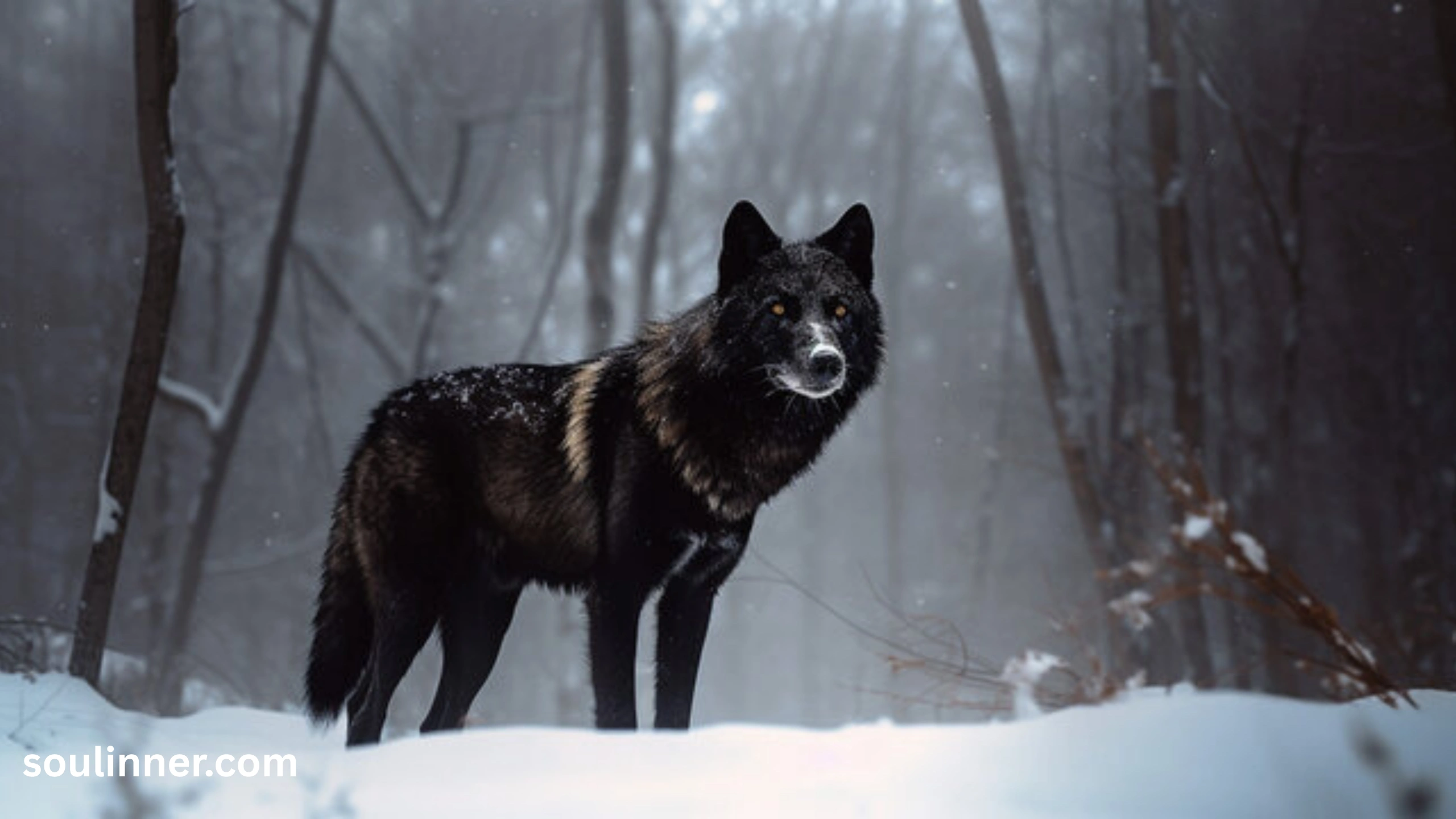
The black wolf symbolizes mystery, transformation, and hidden power, both in nature and across various legends. What does the black wolf symbolize in many cultures? In countless stories, the black wolf is portrayed as a creature of the unknown, often linked to secrets, change, and powerful natural forces.
Darkness, in these tales, is not seen as something to fear, but rather as a force full of wisdom and potential. In Norse mythology, the black wolf Fenrir plays a central role in the story of Ragnarok, shaping the world’s fate and embodying strength in the face of destiny.
The black wolf symbolism connects with themes of resilience, transformation, and embracing the unknown. Native American symbols wolf often reflect these same themes, with the wolf seen as a guide, protector, and a symbol of loyalty, courage, and spiritual connection.
In wolf symbolism native american, the wolf represents both the wisdom of the wild and the courage to face life’s challenges. Native American wolf symbolism also highlights the black wolf as a symbol of personal transformation and growth, teaching us that strength comes from embracing the unknown. Whether appearing in dreams or legends, the black wolf serves as a reminder that within darkness, there is wisdom, growth, and the power to change.
Wolf Spirit Animal Symbolism
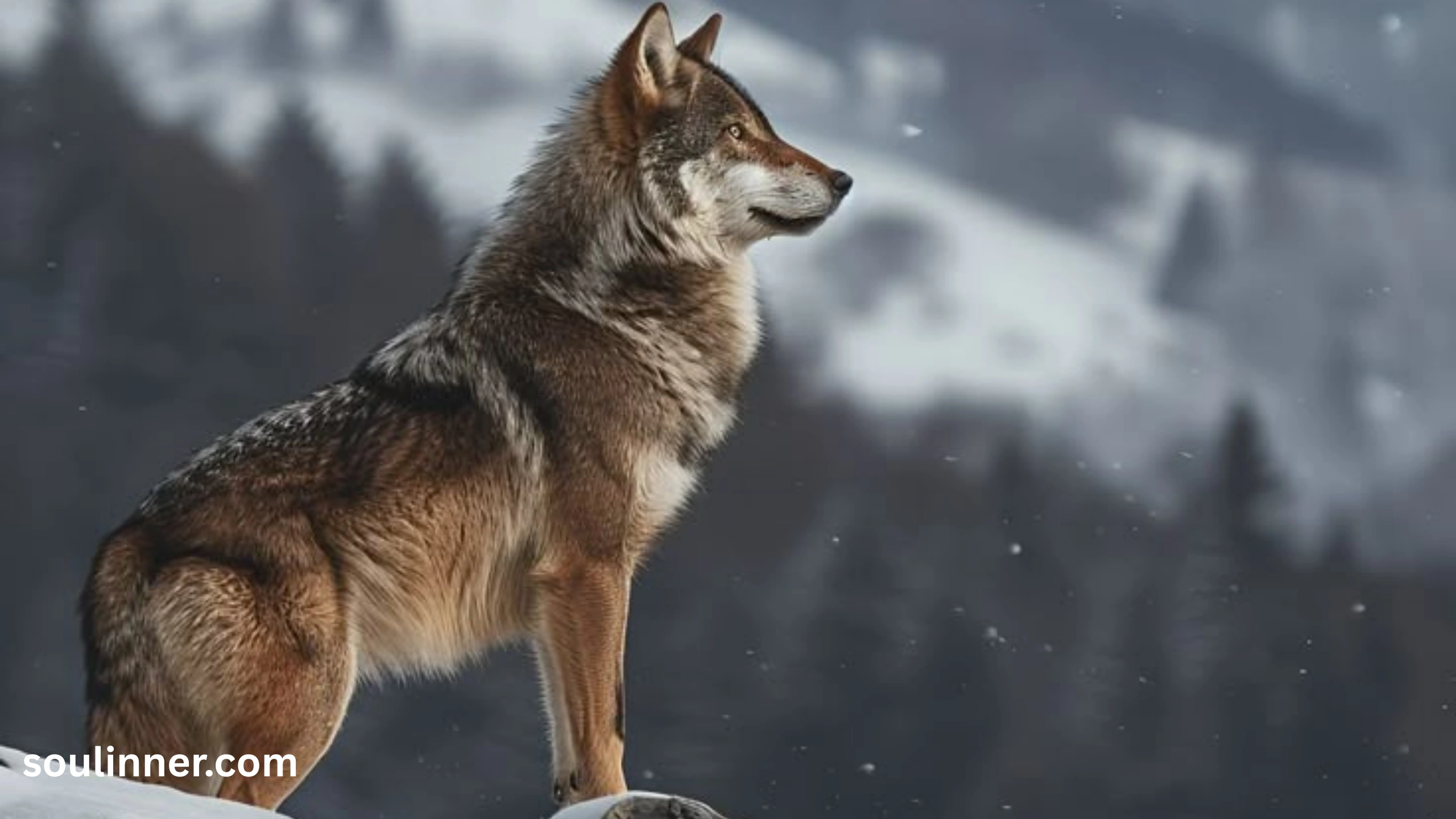
The wolf spirit animal meaning represents inner strength, sharp instincts, and the courage to carve your own path. When the wolf spirit animal symbolism appears in your life, it’s a sign that you’re learning to trust your instincts and stay strong, even in solitude. The wolf as a spirit animal meaning highlights traits like intelligence, bravery, and loyalty—qualities that reflect the person you are becoming.
Throughout different cultures, the wolf symbolism is often viewed as a spiritual guide, helping you navigate life’s challenges. It teaches you when to be assertive, when to remain silent, and how to protect your loved ones. The wolf also reminds you that while independence is important, maintaining close ties with your “pack”—the people who support and uplift you—is equally vital.
Wolf Totem Animal Symbolism
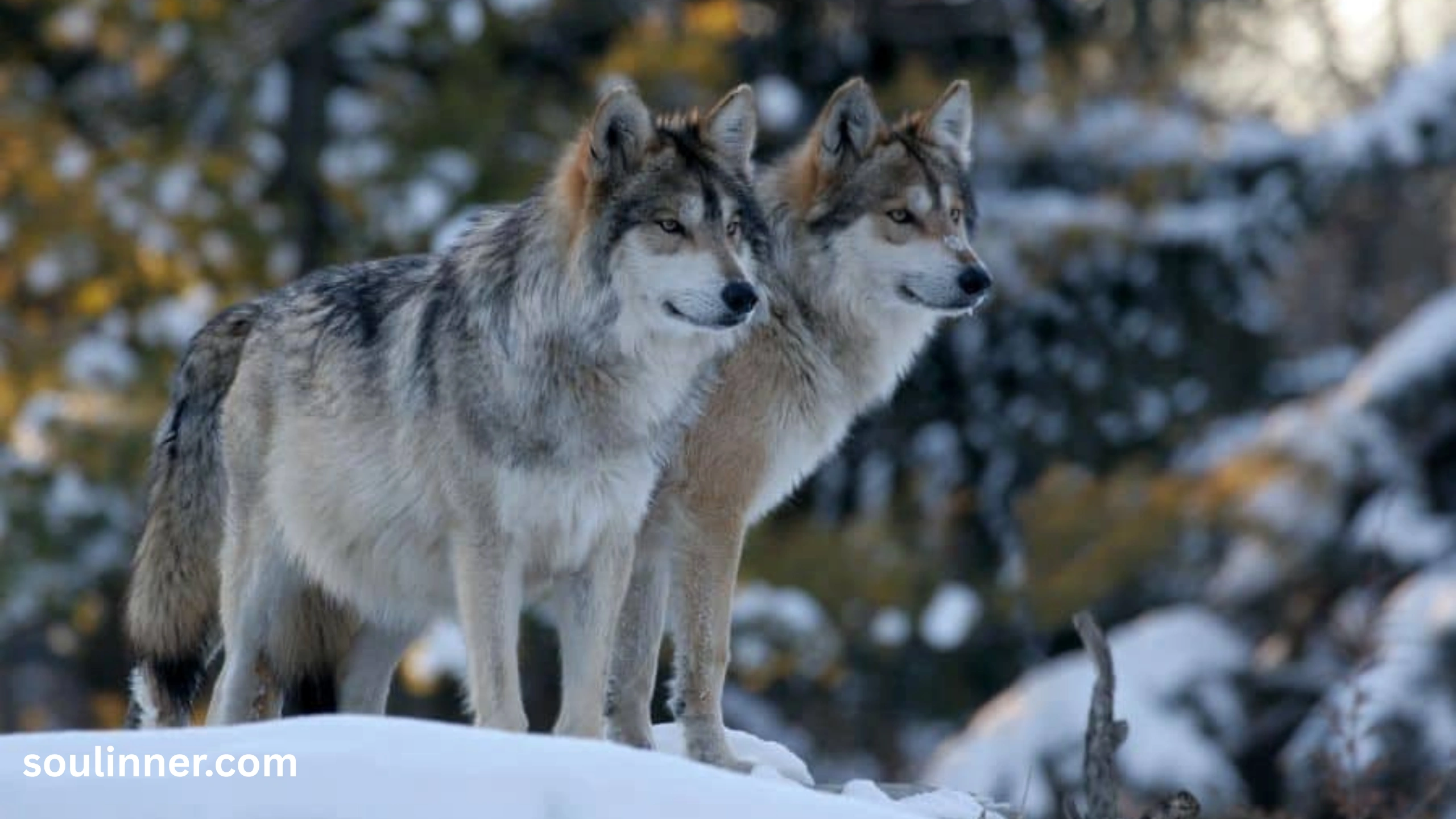
The wolf animal totem stands for guidance, loyalty, and the strength to lead while staying true to yourself. When the wolf is your totem animal, it means you carry the spirit of a natural leader—someone who knows how to care for others and walk with purpose. In many tribal traditions, the wolf totem meaning represents a deep connection to instincts, the land, and the people around you.
Wolf teaches you to trust your inner voice and find balance between being independent and staying loyal to your group. The Wolf totem symbolism and meaning also reminds you to be brave in difficult times and to protect those who matter most. The wolf symbolism encourages you to embrace your leadership qualities while maintaining a strong bond with those you care about.
Wolf as a Power Animal
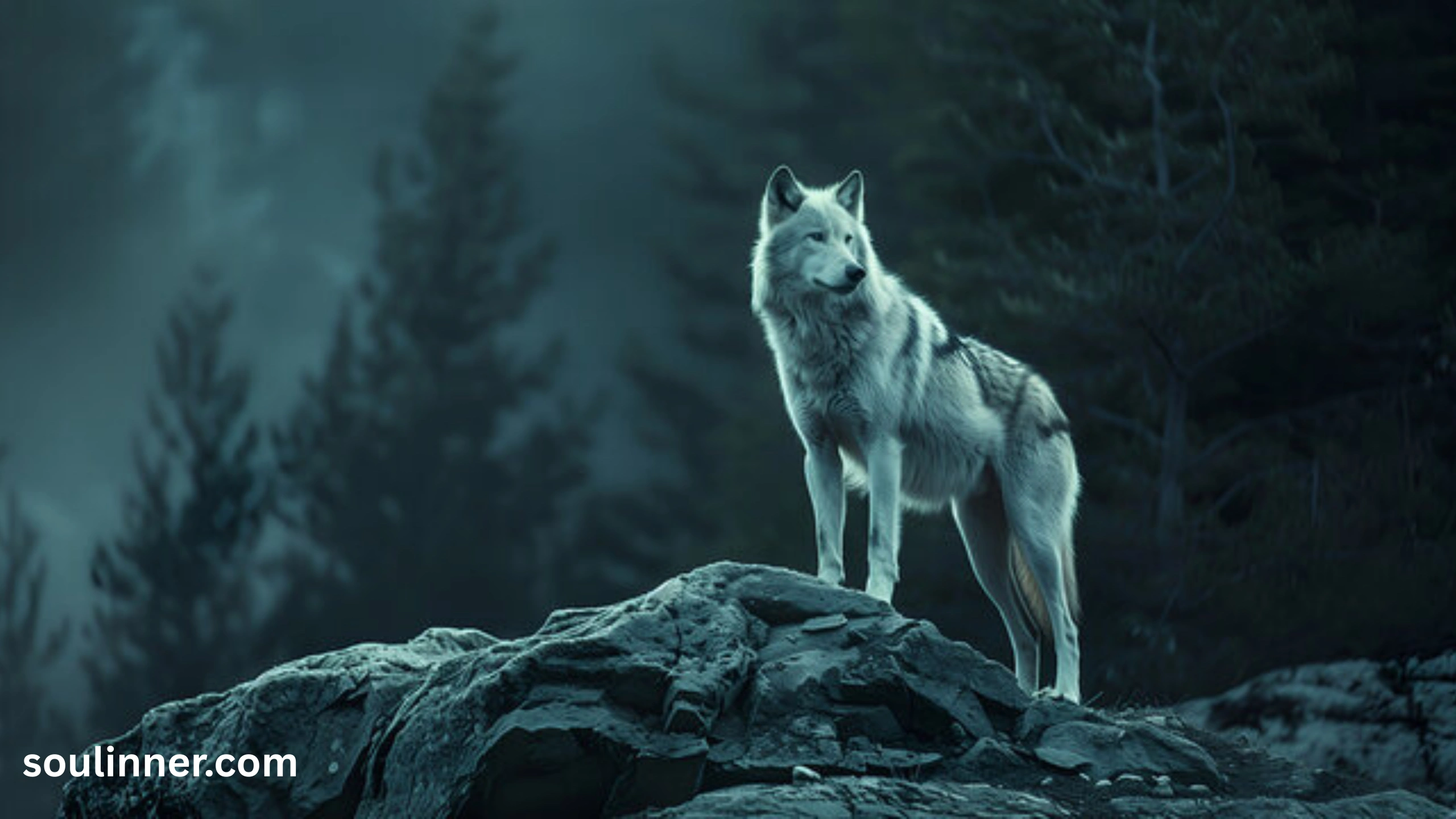
The wolf as a power animal represents courage, strong instincts, and the energy to face life’s challenges with confidence. When the wolf is your power animal, it means you have a deep inner strength that helps you stay brave, even in tough times.
In many spiritual traditions, a power animal gives you energy and wisdom. The wolf’s sharp senses and fearless nature remind you to trust yourself and stay alert to what’s happening around you.
With the wolf power animal by your side, you’re guided to speak up when needed, stay loyal to your values, and protect what matters most. It also teaches you to balance your wild, free spirit with the wisdom to know when to lead and when to listen.
The wolf animal symbolism teaches leadership and loyalty, while the wolf symbol meaning emphasizes strength and courage. The symbolic wolf serves as a reminder to trust your instincts and remain resilient in the face of challenges.
Wolf Spirit Animal Meaning and Symbolism
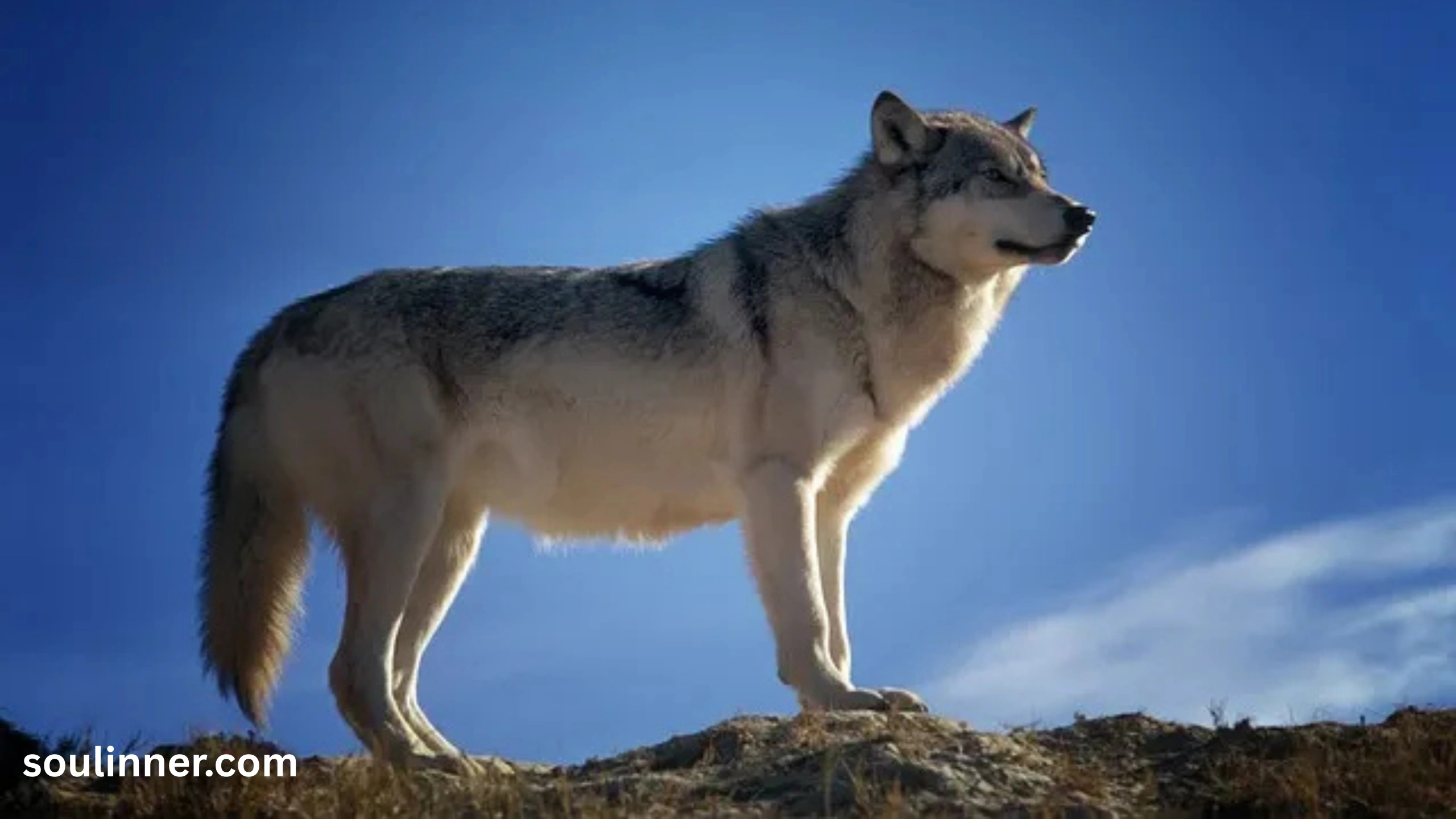
A wolf spirit animal brings calm, wisdom, and strength. Use this meditation to connect with its energy and discover your inner power, understanding the deeper wolf meaning symbolism behind its presence.
Close your eyes and take a slow, deep breath. Imagine yourself in a quiet forest under a glowing moon. The trees tower above, and a soft breeze rustles the leaves. The air feels peaceful, and you are completely safe.
As you walk along a gentle path, you notice a wolf watching you from a distance. Its eyes are strong and kind. You don’t feel fear—only respect. This wolf is more than just an animal; it embodies the symbol for a wolf, a guide meant to protect and teach you.
The wolf reminds you to trust your instincts and believe in your own strength. Its presence reflects wolf symbolism: confidence, courage, and the untamed spirit inside you that longs to be free and powerful. Sit with the wolf in your mind, breathing slowly, and let its calm energy ground you.
You begin to realize that this wolf is your teacher. It shows you how to stay brave, make wise choices, and move forward even when the path is unclear. This encounter is a living symbol for wolf, a reminder of your resilience, wisdom, and inner strength.
Is Seeing a Wolf a Sign of Good Luck?
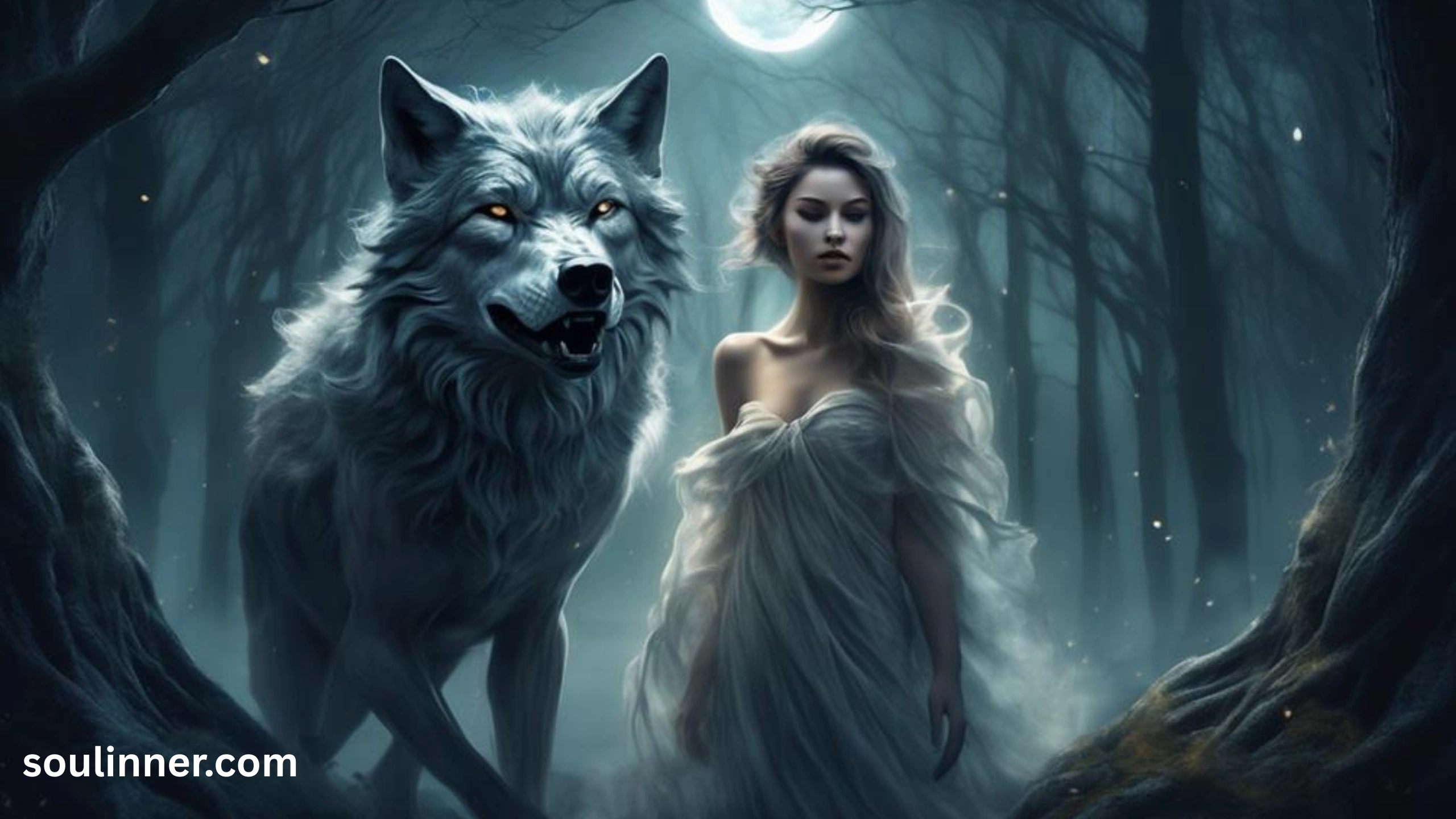
Yes, seeing a wolf can be a symbol of good luck, especially when it connects to strength, guidance, and personal growth. In many cultures, spotting a wolf, whether in real life or in a dream, is seen as a positive sign. It often means you are being protected or guided through a challenge.
Wolves are known for their courage, loyalty, and sharp instincts, so seeing one might mean you’re on the right path or about to discover something important. This moment can also remind you to trust yourself and stay strong, like a wolf spirit animal would.
While every experience is different, many people believe that a wolf’s presence brings powerful energy that can lead to new opportunities, stronger focus, or a helpful change in life. The spiritual meaning of wolf symbolism is often linked to inner strength and personal transformation.
Totem wolf meaning and symbolism highlights how the wolf can be a guide during times of uncertainty. Spiritual meaning of seeing a wolf reminds us to embrace the lessons the wolf brings, guiding us through challenging times with wisdom and strength.
Conclusion
Wolf symbolism shows us how to live with courage, balance, and a deeper connection to both nature and ourselves. The spiritual significance of wolves is often tied to their role as symbols of strength, loyalty, and guidance.
Throughout time, wolves have left a strong mark on human stories, beliefs, and dreams. From ancient tales of nursing wolves helping to build great civilizations to wolf symbolism death and wolf symbolism love seen in various cultures, wolves continue to inspire.
They often appear as messengers in dreams and symbols in cultures around the world, linking our modern lives to our wild roots. What does it mean when you see a wolf cross your path? It could be a sign of transformation, a reminder of your inner strength, or a message to trust your instincts.
The lone wolf, for example, represents self-reliance and inner strength, especially when we face life’s tough moments alone. But wolves also remind us of the power of community—how strong bonds, teamwork, and loyalty help us thrive. Even today, as the world changes, the lessons from wolf cultural representation stay important. By learning from wolves—their bravery, their balance between freedom and connection—we discover more about who we are and how we fit into the world around us.
Frequently Asked Questions
[sp_easyaccordion id=”6007″]