
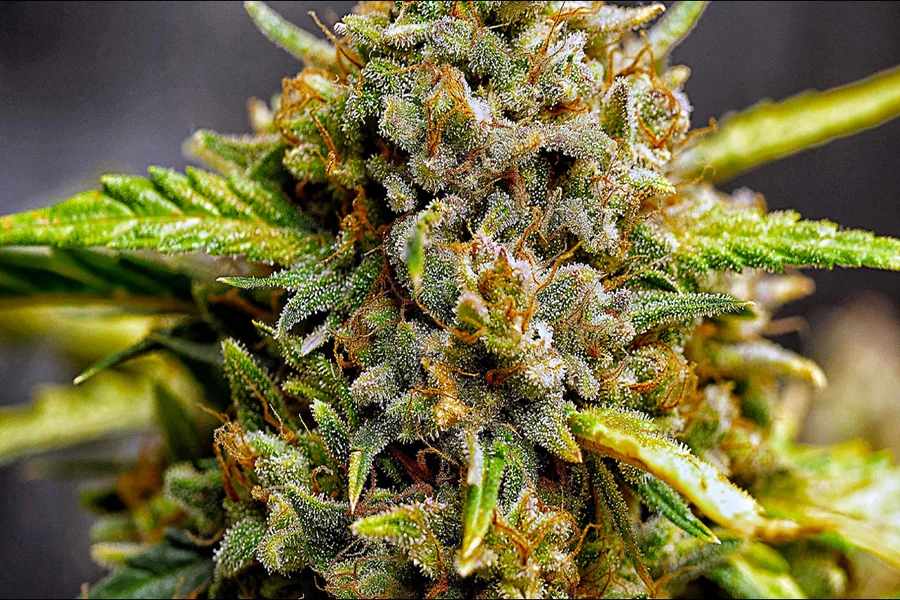
As cannabis genetics continue to evolve, the focus has shifted toward stability, lineage clarity, and consistent trait expression. Among the many categories available today, cannabis indica strains remain essential due to their structural reliability and historical significance. Within this group, the northern lights strain stands out as one of the most influential and widely referenced cultivars, often regarded as a benchmark for indica-dominant breeding.
Exploring how these two elements connect provides valuable insight into how foundational genetics continue to shape modern seed development.
Cannabis Indica Strains: Origins and Structural Traits
Cannabis indica strains are traditionally associated with mountainous regions where plants adapted to shorter growing seasons and cooler climates. Over time, these environmental pressures shaped compact growth patterns, dense branching, and faster flowering cycles.
From a morphological perspective, cannabis indica strains are typically characterized by broader leaves, shorter height, and tightly packed flower structures. These traits have made them highly valuable in breeding programs, particularly when structural stability is a priority.
In modern seed catalogs, indica genetics are often used to balance more expansive plant types. By introducing compact growth and predictable development, breeders can refine hybrid lines to meet evolving expectations for consistency and manageability.
Northern Lights Strain: A Benchmark in Indica Genetics
The northern lights strain is widely recognized as one of the most stable and influential indica-dominant cultivars. Its origins trace back to Afghani landrace genetics, which contribute to its compact structure and resilience.
One of the defining features of the northern lights strain is its uniformity. When properly stabilized, it produces consistent growth patterns, making it a reliable reference point in breeding programs. This level of predictability has helped maintain its reputation over decades.
Aromatically, the northern lights strain is often associated with earthy and slightly sweet notes, supported by terpene profiles that may include myrcene and caryophyllene. This balanced aromatic identity has allowed it to integrate seamlessly into numerous hybrid projects without overpowering other genetic influences.
Stability and Genetic Preservation
One of the reasons cannabis indica strains continue to play a central role in breeding is their stability. Unlike more variable genetic lines, indica-dominant plants tend to exhibit consistent traits when carefully preserved.
The northern lights strain exemplifies this principle. Its long-standing presence in seed banks is a result of deliberate efforts to maintain its defining characteristics across generations. This preservation ensures that its structure, aroma, and growth patterns remain reliable.
For buyers researching seed options, stability is a critical factor. Clear documentation of lineage and breeding practices provides insight into whether a seed line has been properly developed. Without this transparency, it becomes difficult to assess the authenticity of a cultivar.
The Role of Indica Genetics in Modern Hybrids
While pure cannabis indica strains are still valued, most modern varieties are hybrids that combine traits from multiple genetic backgrounds. Indica genetics are frequently used to introduce structural balance into these crosses.
The northern lights strain, in particular, has been used extensively in hybrid development. Its predictable morphology and stable characteristics make it an ideal foundation for combining with other genetic profiles. By doing so, breeders can create new varieties that retain consistency while incorporating additional traits.
This approach highlights how classic genetics continue to influence contemporary breeding. Rather than being replaced, they serve as essential building blocks for innovation.
Terpene Profiles and Structural Balance
Beyond physical structure, terpene expression plays a key role in defining cannabis indica strains. Earthy, woody, and slightly sweet aromas are commonly associated with indica genetics, creating a grounded sensory profile.
The northern lights strain reflects this balance. Its terpene composition is often subtle yet distinctive, offering a stable aromatic base that complements other genetic influences. This makes it particularly valuable in breeding projects focused on refining terpene complexity.
Modern buyers increasingly evaluate both structure and aroma when selecting seeds. This dual focus reflects a more sophisticated understanding of how genetics influence overall plant characteristics.
A Modern Perspective on Seed Selection
As the cannabis seed market becomes more transparent, informed decision-making has become essential. Buyers are moving beyond general classifications and focusing on measurable traits such as lineage documentation, phenotype stability, and terpene data.
Cannabis indica strains continue to provide a foundation for this analysis, while the northern lights strain serves as a clear example of how stability and preservation contribute to long-term relevance.
Conclusion: Reliability as a Measure of Quality
The relationship between cannabis indica strains and the northern lights strain illustrates the importance of consistency in cannabis genetics. While innovation continues to drive the industry forward, the value of stable, well-preserved genetics remains unchanged.
By understanding how these foundational elements interact, enthusiasts can approach seed research with greater clarity. This perspective supports a more informed marketplace—one where quality is defined not by trend, but by transparency, reliability, and careful genetic stewardship.