
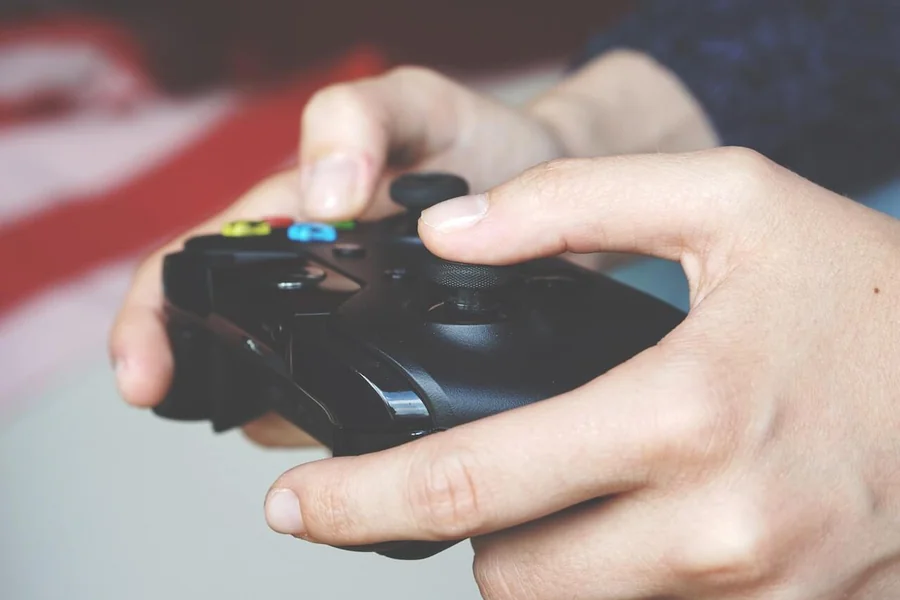
Gambling addiction rarely starts with a clear warning. It often grows slowly — small bets, occasional losses, and the feeling that one good win could fix everything. Over time, it can affect finances, relationships, and mental health in ways that feel difficult to manage.
Bug recovery is realistic, especially when addressed early. There are proven ways to regain control without shame or stigma.
Why is it so hard to stop?
Gambling activates the brain’s reward system in a way that’s similar to other addictive behaviors. When a person wins, the brain releases dopamine, reinforcing the action. What’s less obvious is that losses, especially near-misses, can trigger similar responses. They can activate reward-related brain regions, which keep people engaged even when they’re losing.
Over time, this creates a loop: the brain starts linking gambling with excitement, relief, or escape. Stress or boredom can then act as triggers, pushing someone back into the same behavior.
Access makes this loop stronger. Gambling is now available at any time, without physical barriers.
While technology offers convenience, it also introduces new challenges. Easy access to a Bitcoin sportsbook or casino can complicate recovery journeys for those struggling with impulse control. With fewer natural stopping points, it becomes easier for short sessions to turn into longer, more frequent ones.
How to change thinking patterns and manage urges
One of the most effective ways to break the cycle comes from cognitive behavioral techniques. These focus on the thoughts that drive gambling, not just the behavior itself.
Many people develop patterns like believing they are “due” for a win or that they can recover losses with one more bet. In psychology, these are known as cognitive distortions, including the gambler’s fallacy and illusion of control. Both create a false sense of predictability in situations that are actually random.
Learning to recognize and question these thoughts changes how decisions are made. Instead of reacting emotionally, a person starts to pause and evaluate the situation more realistically.
Urges still happen, though, especially in early recovery. That’s where mindfulness-based strategies come in. From a neuroscience perspective, urges are linked to faster, emotion-driven parts of the brain, while self-control depends on the prefrontal cortex. Under stress, that balance shifts.
Simple techniques can help the rational part of the brain step back in:
- Pause: Take a moment before acting. Even a short break can interrupt automatic behavior.
- Focus on breathing: Slowing your breath helps reduce stress and brings attention back to the present moment.
- Delay the decision: Waiting even 10–15 minutes often weakens the urge and makes it easier to choose differently.
Urges usually rise and fall rather than stay constant, so learning to wait them out is a key skill.
How to rebuild stability and recognize when to get help
Recovery goes beyond stopping gambling. It also means rebuilding financial and emotional stability. Here’s what you can do.
Rebuild financial stability
Financial pressure is often one of the biggest challenges. Debt and losses create stress, and that stress can push people back into gambling as a way to recover quickly. Breaking that cycle starts with structure, like setting clear spending limits, tracking expenses, and building a simple plan to manage obligations over time.
There are practical tools that can reduce risk and create distance from gambling:
- Self-exclusion programs: Many licensed platforms offer built-in self-exclusion. For broader coverage, services like GamStop block access to all participating UK gambling sites, while BetBlocker lets users restrict access across multiple devices worldwide.
- Website and app blockers: Tools like Gamban or GamBlock prevent access to gambling sites and apps entirely, making impulsive decisions harder to act on.
- Bank-level controls: Some banks allow customers to block gambling transactions or set strict spending limits. This adds a financial barrier, even if the urge is still there.
- Reduced access to funds: Limiting available cash, using prepaid cards, or temporarily handing over financial control to a trusted person can prevent quick decisions during high-risk moments.
Even small steps here matter. As financial pressure decreases, the urge to “win it back” tends to weaken.
Address emotional impact
The emotional side of gambling addiction is just as important as the financial one. Guilt, anxiety, and tension in relationships often build up over time, and those feelings can become triggers themselves.
Working through this part usually involves honesty both with yourself and with others. That might mean having difficult conversations or acknowledging the full impact of the behavior. Professional support can also help unpack the emotional patterns behind gambling, especially when it’s used as a way to cope with stress or escape problems.
Some people benefit from adding simple daily tools here, like journaling, stress management techniques, or setting routines that replace gambling habits. These don’t solve everything overnight, but they reduce the emotional pressure that feeds the cycle.
Build a support system
Support plays a major role in long-term recovery as people are more likely to maintain progress when they’re not handling it alone.
This can take different forms, including therapy, peer groups, or just one reliable person who knows what’s going on. Groups like Gamblers Anonymous offer shared experience, which helps reduce isolation and creates accountability. For others, regular check-ins with a counselor or support partner provide structure during difficult periods.
Recognize when to get help
There are clear signs that outside help may be needed. If you try to stop multiple times without success, start hiding financial behavior, or rely on gambling to deal with stress, the issue usually runs deeper than habit.
At that point, professional support becomes important. Cognitive behavioral therapy is one of the most effective approaches, helping people change both behavior and the thought patterns behind it. In some cases, financial counseling or addiction-focused programs can add extra structure.
Getting help early makes the process more manageable. It’s not about reaching a breaking point, but about recognizing when support can make a real difference.
Final thoughts
Gambling addiction is often misunderstood, which can delay action. In reality, it’s a behavioral condition shaped by both psychology and brain chemistry, not a personal failure.
Still, with the right strategies and support, it’s possible to regain stability and move forward with a clearer sense of control.
But recovery doesn’t happen overnight. It’s a process of rebuilding control step by step. The brain is capable of change, and with consistent effort, new habits can replace old ones.