
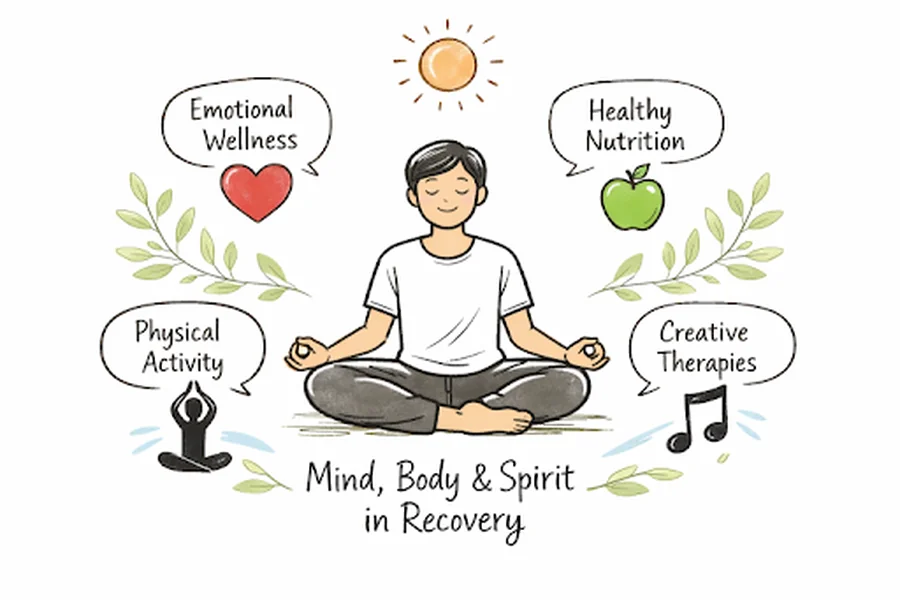
Addiction recovery is a complex journey that extends beyond simply addressing physical dependence on substances. Many individuals find that a holistic approach, which considers the interconnectedness of mind, body, and spirit, can provide a more comprehensive path to healing. By incorporating practices such as mindfulness, yoga, nutrition, and therapy, holistic methods aim to restore balance and promote long-term wellness. These strategies focus not only on eliminating harmful behaviors but also on nurturing emotional resilience, self-awareness, and personal growth, recognizing that true recovery often involves multiple dimensions of health.
For those seeking structured support alongside these practices, rehab in Egg Harbor City, NJ, offers programs that integrate holistic principles with professional guidance. This combination allows individuals to work on underlying emotional or psychological factors while developing practical coping skills and lifestyle changes. Integrating mind, body, and spirit in a supportive setting can enhance recovery outcomes and help sustain long-term sobriety.
Mindfulness and Meditation
Mindfulness practices, such as meditation, enable individuals to observe their thoughts and emotions without judgment. Research from the National Institutes of Health indicates that these techniques can help reduce substance cravings, manage anxiety, and promote emotional balance. Programs like Mindfulness-Oriented Recovery Enhancement (MORE) combine mindfulness with therapy, resulting in lower relapse rates and improved quality of life.
Incorporating mindfulness into daily routines can significantly transform negative thought patterns and enhance self-compassion. Strategies such as guided meditation, mindful breathing, and journaling can support the recovery process. Many individuals report that mindfulness not only diminishes substance urges but also fosters a stronger sense of presence and gratitude. As new habits form, progress in recovery can accelerate, and setbacks become easier to manage. With the growing availability of meditation apps and group classes, mindfulness has become more accessible to everyone.
Physical Activity and Yoga
Physical activity is an essential part of any holistic recovery program. Regular exercise, such as walking, running, or strength training, releases natural endorphins, stabilizing mood and reducing stress. Yoga, in particular, combines gentle movement, breathwork, and meditation to help individuals reconnect with their bodies after addiction.
Beyond structured exercise, simply spending time outdoors or engaging in playful movement can be just as effective for promoting recovery. Activities like hiking, swimming, or even gardening not only provide physical health benefits but also foster a renewed connection with the natural world. Group classes can offer additional support, encouraging social interaction and building a sense of belonging. Over time, individuals may find their energy levels improve, sleep becomes more restful, and a renewed appreciation for the body’s capabilities emerges. These physical changes can lead to increased confidence and a more optimistic outlook on long-term sobriety.
Nutritional Therapy
During active addiction, poor nutrition often stems from irregular eating habits and the strain that substances place on vital organs. Nutritional therapy can help by providing guidance on healthy eating, supplementation, and meal planning, all of which are essential for stabilizing mood and improving physical health. Collaborating with a nutritionist can result in personalized dietary plans that support recovery.
Nutrition education empowers individuals to make informed food choices. By incorporating balanced meals, staying hydrated, and reducing processed foods, individuals can enhance their mental clarity and emotional well-being. Many holistic treatment centers offer workshops or cooking classes to teach meal preparation, fostering camaraderie and reducing feelings of isolation. As participants heal, they may experience improved digestion, enhanced immune function, and increased energy to engage in supportive activities.
Alternative Therapies
Complementary therapies are increasingly recognized as valuable additions to conventional addiction treatment. For example, acupuncture can help reduce withdrawal symptoms and cravings, while art and music therapy provide creative outlets for self-expression and emotional release. These approaches help individuals process their experiences, build coping skills, and foster self-acceptance.
Holistic programs may also include massage therapy, equine therapy, or aromatherapy, which address trauma and promote relaxation. Exploring various therapies can help uncover new interests, release emotions, and create positive associations with sobriety. By personalizing the recovery journey, integrative therapies can alleviate feelings of monotony and reignite hope on the path to long-term healing.
Support Groups and Community
Establishing a supportive community is crucial for long-term recovery. Support groups like SMART Recovery offer peer-led meetings that focus on empowerment, problem-solving, and cognitive-behavioral strategies. These groups encourage sharing experiences and accountability, reinforcing motivation and fostering positive change. Community support helps combat loneliness and isolation, potential relapse triggers.
Additionally, building informal networks through volunteer work or hobbies can be beneficial. Many in recovery find fulfillment helping others or connecting over shared interests. Friendships formed in recovery provide emotional support and practical assistance, replacing self-destructive habits and reinforcing a commitment to wellness.
Integrating Holistic Approaches
The most effective recovery plans integrate various holistic modalities, creating tailored solutions for each person. Combining mindfulness practices with physical activity, nutritional guidance, and alternative therapies addresses the diverse needs of those in recovery. Some treatment centers are leading the way in blending holistic and evidence-based care, providing a comprehensive approach that respects individual experiences and preferences. Demand for holistic addiction treatment continues to grow, as more individuals recognize the benefits of whole-person healing.
Conclusion
Holistic approaches to addiction recovery focus on healing the mind, body, and spirit for long-term wellness. By integrating mindfulness, physical activity, nutritional therapy, and supportive communities, individuals can tackle the root causes of addiction while building resilience and healthy habits. Embracing this whole-person approach not only helps achieve sobriety but also fosters self-awareness, emotional balance, and a renewed sense of purpose, laying the foundation for lasting recovery and a fulfilling, substance-free life.