
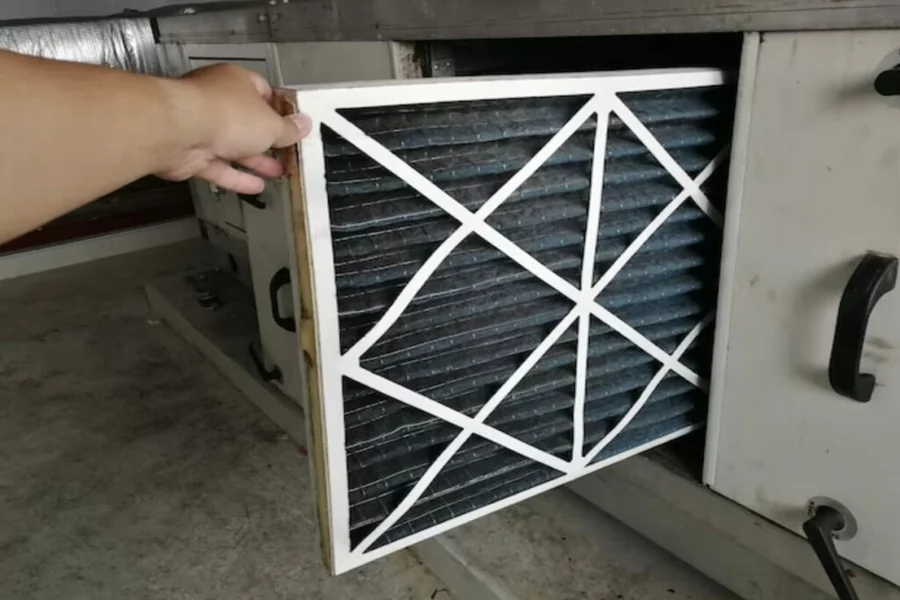
Heating and cooling systems play a central role in maintaining indoor comfort, but their efficiency often depends on small components that are easy to overlook. One of the most critical of these components is the air filter. While it may seem like a minor part of the system, the filter directly affects airflow, air quality, and overall system performance. Over time, filters collect dust, debris, and other particles, which can restrict airflow and place additional strain on the system. Understanding the importance of regular filter replacement helps ensure that HVAC systems operate smoothly and continue to provide consistent comfort throughout the year.
Why Filters Matter in HVAC Performance
-
How Air Filters Support System Efficiency
Air filters serve as the first line of defense within an HVAC system, capturing airborne particles before they enter the internal components. This function not only improves indoor air quality but also protects the system from buildup that can reduce efficiency. When filters are clean, air flows freely through the system, allowing it to maintain the desired temperature without excessive effort. However, as filters become clogged, airflow is restricted, forcing the system to work harder to achieve the same results. This increased workload can lead to higher energy consumption and reduced performance over time. In some cases, restricted airflow may also cause uneven heating or cooling throughout the space. By replacing filters regularly, homeowners can help maintain steady airflow and ensure that the system operates as intended without unnecessary strain.
Neglecting this simple maintenance task can lead to a cascade of mechanical issues that often go unnoticed until a system failure occurs. When airflow is restricted, components like the blower motor and evaporator coils undergo unnecessary strain, significantly increasing the likelihood of expensive repairs. To effectively mitigate these risks and gain a deeper understanding of equipment longevity, property owners should Read more about the correlation between clean filtration and operational efficiency. By establishing a consistent schedule for inspecting and swapping out filters, residents not only protect their significant financial investment but also ensure that the air circulating throughout their living spaces remains consistently healthy and free from common household irritants.
Beyond the immediate benefits of cleaner indoor air and lower utility bills, regular filter maintenance serves as a foundational component of long-term property care. When homeowners Click here to find professional guidance on technical specifications, they often realize how much mechanical strain is alleviated from sensitive blower motors. A system that breathes easily is far less likely to suffer from the frozen evaporator coils or short-cycling patterns that typically plague neglected units during peak summer months. Consistent attention to these small details prevents the gradual accumulation of sticky residue within the ductwork, ultimately preserving the structural integrity of the entire ventilation network for years to come.
-
Impact of Dirty Filters on System Components
When filters are not replaced on time, the effects extend beyond reduced airflow. Dust and debris that bypass clogged filters can accumulate on critical components such as coils and fans. This buildup can interfere with heat exchange and reduce the system’s ability to regulate temperature effectively. Over time, these issues may lead to overheating, system malfunctions, or even premature failure of certain parts. Many service providers, including those handling Roseville HVAC repair, often identify clogged filters as a contributing factor in system inefficiencies and breakdowns. Addressing filter issues early can prevent more extensive problems and reduce the need for costly repairs. Maintaining clean filters helps protect internal components and supports the overall longevity of the HVAC system.
-
Indoor Air Quality and Health Considerations
Air filters play a significant role in maintaining indoor air quality by trapping dust, allergens, and other airborne particles. When filters are clean and functioning properly, they help reduce the presence of pollutants that can affect respiratory health. However, when filters become clogged, their ability to capture these particles diminishes, allowing them to circulate throughout the indoor environment. This can lead to discomfort, particularly for individuals with allergies or sensitivities. Poor air quality can also contribute to unpleasant odors and a general sense of discomfort within the space. Regular filter replacement ensures the system continues to remove unwanted particles effectively, supporting a cleaner, healthier indoor environment for occupants.
-
Energy Consumption and Cost Implications
The condition of an HVAC filter directly impacts energy usage and operating costs. A clean filter allows the system to function efficiently, using only the energy necessary to maintain desired temperatures. In contrast, a clogged filter forces the system to work harder, increasing energy consumption and utility bills. Over time, this added strain can also lead to more frequent maintenance needs, further increasing costs. By maintaining a regular filter replacement schedule, homeowners can reduce energy usage and keep operating expenses more predictable. This simple step contributes to both financial savings and improved system performance, making it an important aspect of HVAC maintenance.
-
Extending System Lifespan Through Maintenance
Regular filter replacement is a key factor in extending the lifespan of an HVAC system. When airflow is unrestricted and components are protected from debris, the system experiences less wear and tear. This reduces the likelihood of breakdowns and helps ensure the system remains functional for longer. Neglecting filter maintenance can accelerate the aging process, leading to more frequent repairs and earlier replacement. By taking a proactive approach to filter care, homeowners can protect their investment and maintain reliable performance over time. Consistent maintenance supports both system durability and long-term efficiency.
-
Quick Insight on Filter Maintenance
Replacing HVAC filters regularly helps maintain airflow, protect internal components, and improve indoor air quality. This simple maintenance step plays a significant role in ensuring that the system operates efficiently while reducing the risk of costly repairs and unnecessary energy consumption over time.
Filter replacement is a fundamental aspect of HVAC system maintenance that should not be overlooked. From supporting airflow and protecting components to improving air quality and reducing energy costs, clean filters enhance the system’s overall effectiveness. Understanding their importance highlights the value of consistent maintenance in preserving system performance. By replacing filters at appropriate intervals, homeowners can ensure that their HVAC systems continue to operate efficiently and reliably. This simple yet essential practice supports long-term comfort, reduces operational challenges, and helps maintain a healthier indoor environment for everyone within the space.