
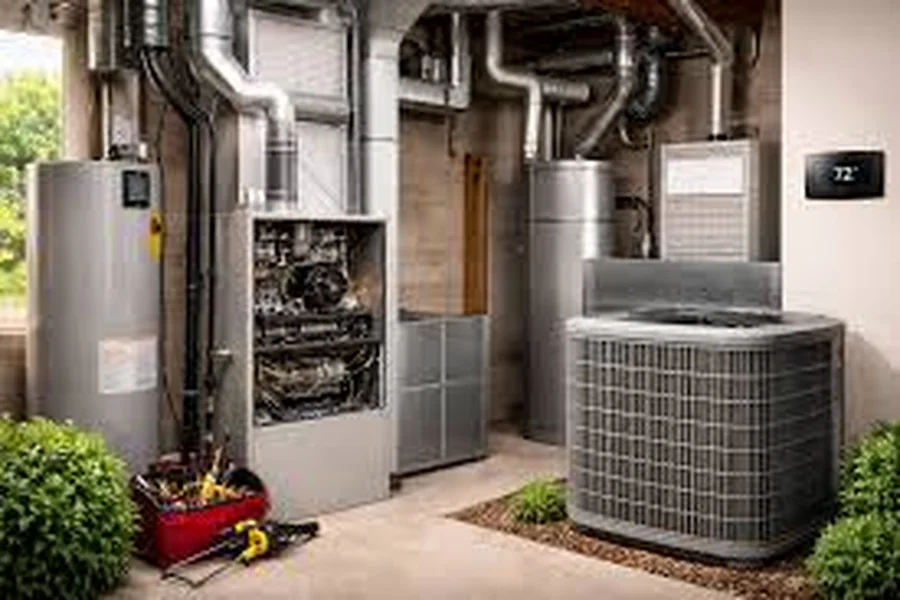
Whole-home efficiency is often treated as a matter of upgrading equipment, but service and repair work play an equally important role in how well a house actually performs day to day. Plumbing, air conditioning, and heating systems do not operate in isolation. They influence comfort, moisture control, water use, drainage, energy demand, and the overall stability of the indoor environment. When one part of that network begins to underperform, the effects often spread into other areas of the home. Timely service and repair improve efficiency by reducing waste, restoring proper operation, and helping mechanical systems work together.
One House, Many Connected Systems
-
Plumbing Efficiency Supports Mechanical Performance
Plumbing service affects whole-home efficiency in ways that go far beyond stopping visible leaks. Water pressure problems, slow drainage, faulty fixtures, aging shutoffs, and hidden pipe issues all increase water pressure and put extra strain on water heaters, appliances, and moisture-sensitive building materials. A dripping fixture may seem minor at first. Still, repeated water loss, fluctuating pressure, and unnoticed seepage can change how efficiently the home uses both water and energy over time. This becomes especially important when hot water systems are involved, since poor plumbing performance often leads to longer runtimes, delayed delivery, and greater standby losses as occupants wait for the water to reach a usable temperature. Drainage issues can indirectly also affect by creating damp areas, odors, and humidity concerns that influence how the home feels and how other systems respond. In many service environments, companies such as Norris Mechanical, LLC are associated with this broader view because plumbing repair is not only about fixing damage. It is about helping the home use water more predictably, reducing avoidable waste, and restoring the operating conditions that allow connected equipment to perform with less strain and fewer interruptions throughout the day.
-
HVAC Repairs Reduce Energy Waste Quickly
Air conditioning and heating systems improve efficiency most noticeably when service restores airflow, proper cycling, and stable temperature control. A home with dirty coils, weak blower performance, refrigerant issues, ignition problems, or blocked drainage can still appear functional while quietly consuming more energy than necessary to deliver less comfort. In the cooling season, a struggling AC system may run longer to satisfy the thermostat, remove humidity less effectively, and cool some rooms unevenly, forcing occupants to lower settings further just to feel relieved. In the heating season, poor combustion performance, airflow restrictions, dirty burners, or an incorrect temperature rise can create similar inefficiencies by lengthening runtimes and reducing how evenly heat moves through the house. Repair changes this by returning the system closer to its intended operating condition. When airflow improves, temperatures stabilize more quickly. When controls function correctly, equipment cycles more appropriately. Wheat-transfer surfaces are clean and functioning as expected, so that the system can meet demand with less wasted effort. Efficiency improves not because the equipment has become new again, but because service removes the specific faults that were quietly making it work harder than necessary for the same result.
Maintaining a home’s ecosystem requires consistent oversight of the interconnected plumbing and cooling networks to prevent minor inefficiencies from compounding into major structural concerns. When a professional technician evaluates these systems, they often identify hidden issues like slow-moving leaks or electrical wear that quietly drain energy. Homeowners who Read more about the technical nuances of system calibration often find that preventative adjustments provide the most reliable path to long-term performance. By prioritizing routine inspections, you ensure that every mechanical component operates within its intended parameters, ultimately reducing the likelihood of emergency failures. This balanced approach to maintenance fosters a more sustainable living environment while preserving the integrity of the property’s most essential utility infrastructures.
Maintaining a cohesive relationship between a home’s mechanical systems often hinges on consistent professional oversight. When cooling units and plumbing networks share utility space or drainage paths, minor issues like a clogged condensate line can quickly escalate into larger moisture concerns. Seeking a specialized evaluation from Arnold Air Conditioning, Inc. ensures that these overlapping components are properly calibrated and free of obstructions. Such detailed inspections identify hidden inefficiencies that standard DIY checks typically miss, effectively bridging the gap between temperature control and water management. Ultimately, a balanced approach to system health reduces the long-term strain on equipment, preserving both the structural integrity and the overall comfort of the residence.
-
Moisture Control Connects Plumbing and HVAC
One of the clearest examples of whole-home efficiencies is how plumbing and HVAC services together affect indoor moisture levels. Plumbing leaks, slow drains, condensation issues, and water heater problems can raise moisture levels in hidden areas of the home. In contrast, HVAC issues can reduce a home’s ability to remove humidity from the air. When these two systems are not operating properly, the result can be a home that feels damp, uncomfortable, and harder to condition,ition even when the thermostat suggests everything should be under control. Air conditioners remove moisture during cooling, but they depend on clean coils, a functional blower, and clear condensate drainage to do so efficiently. Plumbing repairs reduce unnecessary moisture intrusion from pipes, fixtures, and drainage points that can otherwise force HVAC systems to work harder to maintain comfort. Together, these services help the house stay drier and more balanced. This matters because excess humidity affects more than comfort. It can influence odors, material stability, indoor air quality, and how often cooling equipment has to run. A home that manages water and air properly tends to feel more comfortable at more moderate thermostat settings, a practice that efficiency has improved at the whole-system level.
Better Efficiency Comes From Better Maintenance
Plumbing, air conditioning, and heating service and repair improve whole-home system efficiency because homes operate as connected environments, not as isolated pieces of equipment. Water flow, temperature control, drainage, airflow, and humidity all influence one another in ways that affect both comfort and resource use. When plumbing issues are repaired, water waste d, drops, and moisture problems are reduced. When heating and cooling problems are corrected, airflow, temperature stability, and energy use improve. Together, these services help the house work with less strain and more consistency. Efficiency grows not only from new equipment but also from keeping the systems already in place functioning as they were meant to.