
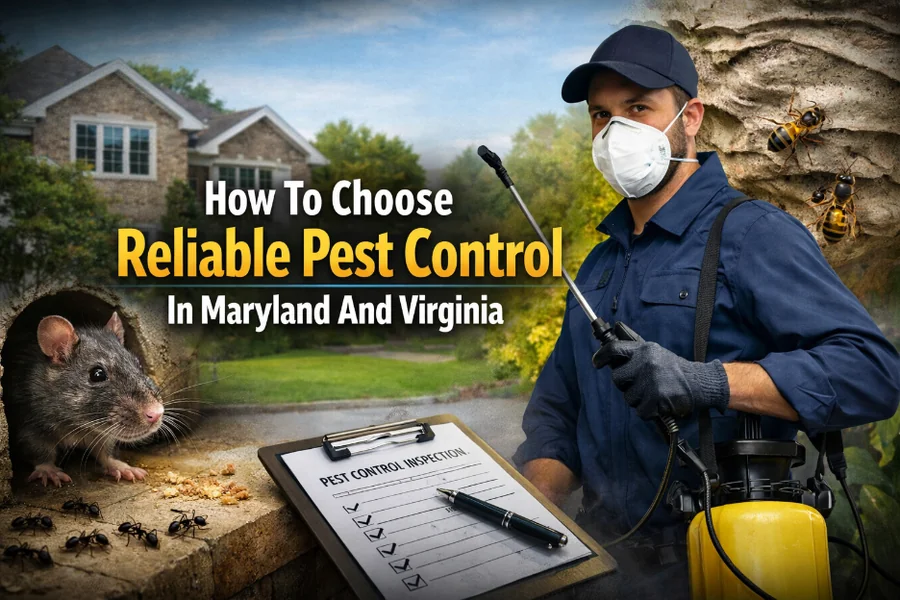
You notice a trail of ants crawling across your kitchen counter, hear scratching sounds in the walls, or see a roach running around the floor. It is annoying, uncomfortable, and disruptive. Pests do not just intrude into your house, but also your peace of mind. They carry allergens, ruin furniture, and provide an unpleasant atmosphere that cannot be controlled.
Store-bought sprays or quick fixes might reduce visible pests, but the source remains untouched, allowing the problem to return again and again. That is when professional help becomes essential.
In this article, you’ll discover how expert pest control services eliminate infestations quickly and restore the comfort and safety of your home.
1. Look for Local Experience and Regional Pest Knowledge
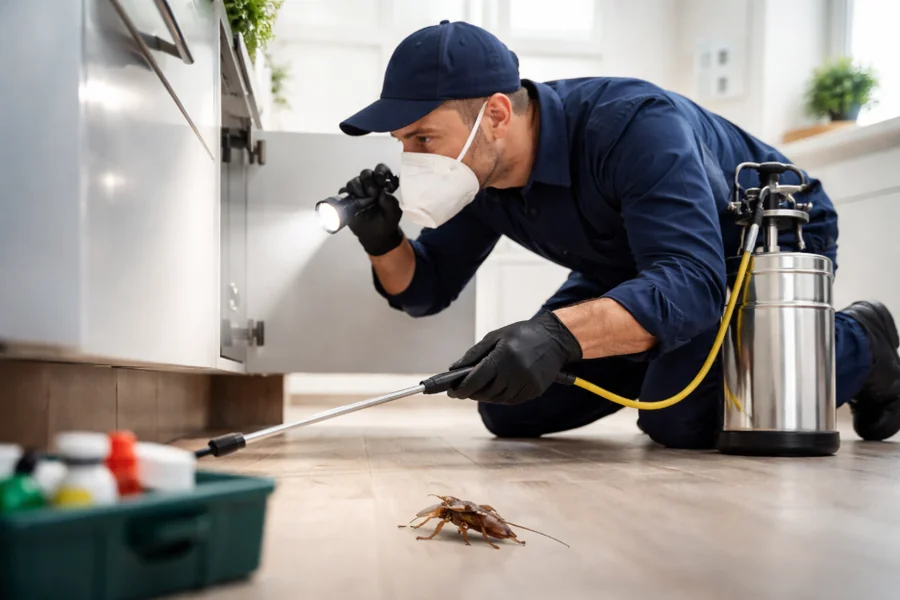
When considering and evaluating providers, begin by checking their experience in dealing with pest control in Maryland and Virginia specifically. Pest problems vary depending on region, climate, and seasonal conditions.
Therefore, a company that knows the local pest patterns will be able to diagnose problems more quickly and utilize proper treatment methods. For instance, Maryland’s humid summers tend to be an invitation to ants, mosquitoes, and termites.
Meanwhile, Virginia properties often deal with rodents, stink bugs, and seasonal invaders that seek to take shelter in the colder months. A good technician is familiar with these trends and plans treatments based on these trends.
Moreover, local expertise is helpful in preventive strategies. Instead of simply treating pests, professionals should advise on structural environmental changes that will minimize future infestation. Consequently, long-term protection is enhanced, and repeat treatments are reduced.
Always ask how long the company has served the region and whether technicians are trained for local pest behavior.
2. Check Licensing, Certifications, and Insurance Coverage
Next, check whether the company is legal and responsible in its operations. There are chemicals, safety procedures, and environmental regulations involved in controlling pests. Therefore, licensed technicians show adherence to state guidelines.
In the states of Maryland and Virginia, pest control professionals are required to meet stringent requirements in their application to ensure the safety of residents, pets, and ecosystems.
Reliable companies train technicians to use approved products safely with minimal risks. In addition, insurance coverage is important. Accidental damage to property or unexpected events may arise during treatments.
Consequently, insured providers protect you from financial liability. Before contracting, inquire about proof of licensing and insurance. A professional company is not hesitant to provide documentation.
If a provider hesitates, take that as a red flag and keep looking.
3. Evaluate Inspection and Treatment Transparency
A reliable pest control service never goes directly into spraying chemicals. Instead, technicians should first go for a detailed inspection. This step helps to identify entry and pest nesting areas and contributing factors. Moreover, effective communication is important.
After inspection, the findings should be explained in simple words by the professionals. You should know the infestation level, treatment pattern, and prevention measures. Reliable companies also provide the treatment procedure and timeline.
For example, certain infestations need to be treated more than once or need to be monitored for longer periods of time. Transparency helps to avoid unrealistic expectations and foster confidence.
Furthermore, treatment plans should be tailored. All properties are unique in terms of structure, landscaping, and exposure risks. Therefore, avoid companies that offer identical packages without inspection.
Ask questions. If the answers are vague or rushed, reconsider your choice.
4. Review Service Guarantees and Follow-Up Support
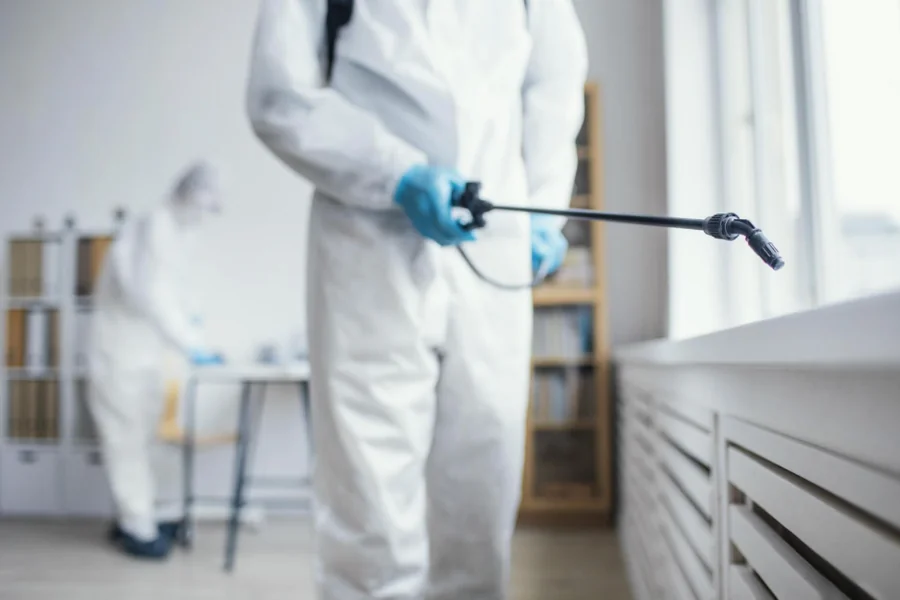
Pest control will rarely be successful with a one-off visit, particularly for persistent pests, such as termites or rodents. For this reason, trustworthy businesses offer service guarantees and follow-up services.
A guarantee demonstrates an attitude toward results. For example, if pests are found to return within a specified period of time, technicians are expected to revisit without additional charges. This reassurance helps mitigate risk and provides accountability.
Additionally, follow-up inspection is a process used to determine treatment effectiveness. Professionals may monitor traps, inspect for entry points, or reapply preventive solutions when necessary.
Reliable providers also offer maintenance plans for protection all year round. These plans protect against seasonal infestations before they begin, saving money and stress over time. Before signing a contract, read service agreements carefully.
Make sure guarantees, service frequency, and cancellation terms are clear.
5. Compare Treatment Methods and Safety Practices
Methods of controlling a pest are not equal. Some are highly dependent on chemicals, and others incorporate safer, environmentally sound alternatives. Therefore, knowing the treatment approaches will help you to choose wisely.
The principles of Integrated Pest Management (IPM) are commonly used in modern pest management. This approach incorporates inspection, specific treatment, sanitation advice, and preventive strategies, rather than the overuse of pesticides.
Safety is also essential, particularly for homes with children or pets. Professionals should be able to explain what precautions, ventilation requirements, and re-entry time frames are needed after treatment.
In addition, environmentally friendly options are gaining appeal to an increasing number of homeowners who worry about the impact on the environment. Whereas some infestations still demand stronger measures, a balanced approach minimizes chemical exposure.
Always ask how treatments affect your home environment and whether alternatives are available.
Final Thoughts
Choosing pest control services requires more than comparing prices. Instead, focus on expertise, transparency, safety practices, and service reliability. When companies understand local pest challenges, communicate clearly, and provide guarantees, long-term results improve.
Meanwhile, proactive pest management protects property value and daily comfort. Regular inspections and preventive strategies cost less than repairing damage caused by unchecked infestations.
As you evaluate providers, prioritize professionalism and accountability. Ask questions, compare service plans, and review contracts carefully before committing.