
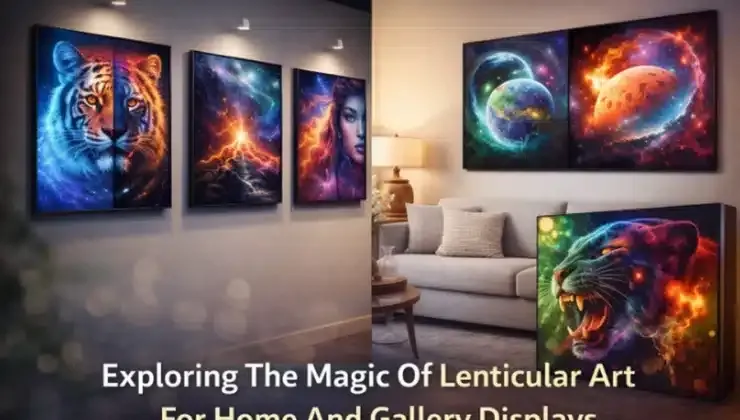
Art has always found a way to surprise people. From the use of paint on canvas, creative expression migrated to digital screens. Lenticular art is especially unique because it brings a flat surface to life. As one passes by it, the image shifts, flips, or reveals depth. That simple motion creates a sense of wonder few other print styles can match.
For homes and galleries, lenticular art is more than decoration; it’s about creating interaction, inviting people to stop, step back, and look again. Interacting makes the experience memorable and meaningful.
This article explores how lenticular art enhances both home interiors and gallery displays with motion and depth.
What Is Lenticular Art and How Does It Work
Lenticular art incorporates special plastic lenses placed over arranged images. These plastic lenses bend light in unique ways. By changing one’s position relative to the image, different parts of it become visible. This produces effects such as flipping between two images, smooth movement, and natural-looking 3D depth, which is why many designers resort to lenticular art for design displays.
The process demands specific design and alignment. Artists and printers combine image frames to create a single file. Also, the lens displays the various image frames appropriately as the viewer changes position. The final image appears dynamic and intriguing.
Unlike traditional prints, which do not change, lenticular art is interactive. It requires the participant’s involvement, and that is where the difference lies. It is not just any other wall hanging.
Why Lenticular Art Elevates Home Interiors
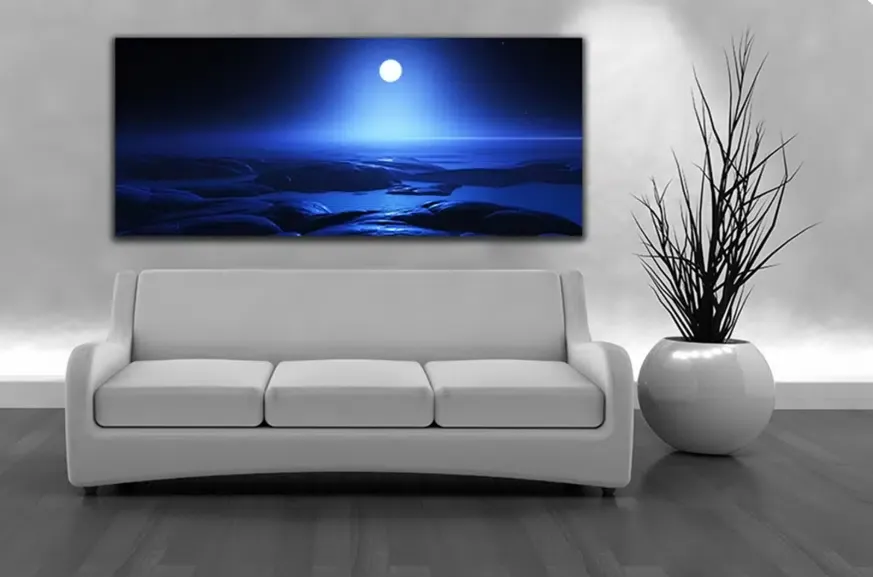
A home should feel personal and inviting. Lenticular adds character without clutter. Since the image changes as one walks by, it brings subtle motion into a space.
In the living room, this lenticular wall piece starts a conversation. People very often step closer to try to figure out how it works. A soft beach scene may morph from day to sunset. A cityscape may glow as you move across the room. These soft changes bring depth and interest.
Lenticular designs work equally well in bedrooms and home offices. A 3D landscape opens up a small room. The use of motion effects can also bring creative energy into a workspace. Because many sizes are available with lenticular prints, everything from small accent pieces to large statement pieces is possible.
Large-format prints, available up to 4 feet by 8 feet, let homeowners turn entire walls into transformative centerpieces. That hallway can be an immersive gallery. A media room can feature dramatic 3D visuals that enhance the atmosphere of a space. The flexibility makes lenticular art suitable for modern, classic, and eclectic interiors alike.
How Galleries Use Lenticular Displays to Captivate Audiences
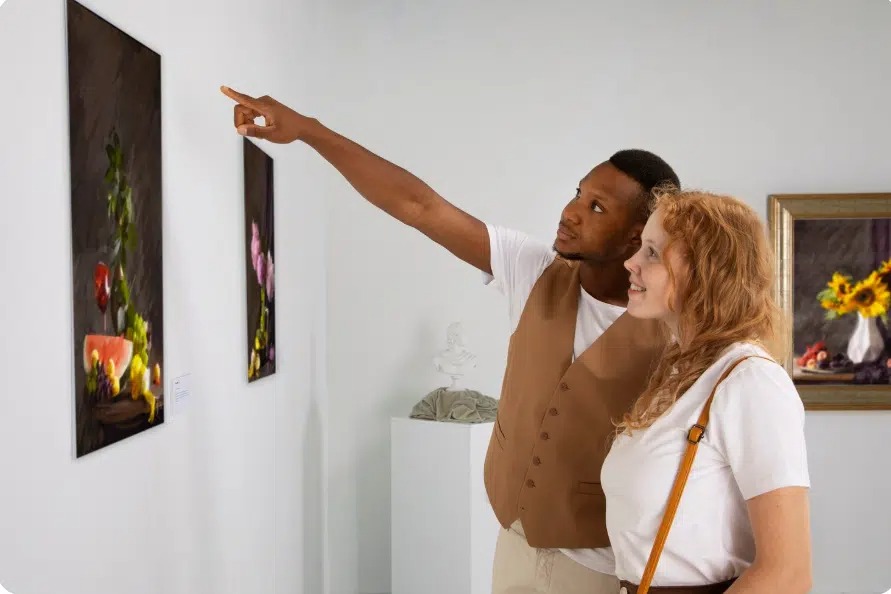
Galleries strive to deliver an experience. Lenticular art plays a part in this by promoting mobility. Viewers are not static like a painting or a photograph. You have to turn your position to view the display. This organic movement keeps the exhibition lively.
Artists may also employ lenticular techniques to tell complex and rich stories. A flip design can be created to contrast two ideas. A portrait may be designed to change from one expression to another, and a historical image to change from one era to another.
Large-format lenticulars and signage are appropriate in an exhibition setting. This allows the artwork to be seen from different angles, thereby attracting attention even when the viewer is not too close. This format is appropriate for exhibitions, museums, and trade shows.
The more time people spend interacting with art, the more emotionally engaged they become. It is quite natural because lenticular displays encourage more interaction.
Exploring Different Lenticular Effects
Lenticular art produces various visual effects, each offering a different experience. The flip effect ranks among the most widely used effects. The flip effect displays two pictures as the viewer moves. The simple switching effect can bring joy, surprise, or dramatic contrast.
Motion effects use several frames to create an animated effect. Zooms, morphs, or other smooth motion features across the image can achieve this. This style adds energy to a work and fits great with storytelling or bold contemporary pieces.
3D lenticular printing can create an illusion of depth on a flat surface. The different layers of the image appear to be at different distances. This works very well in landscapes, architecture, and abstract designs. The added depth makes the artwork feel immersive.
Selecting the best effect depends on the message you intend to convey. A domestic home scene might require mild 3D depth effects. Meanwhile, a gallery installation may require more dramatic flip transitions or animations. These effects provide artists and designers the opportunity to choose the best technique for their intended artistic concept.
The Value of Custom Lenticular Art
Custom design can bring lenticular art to life in a powerful way. Instead of using an image, you can make it personalized. Homeowners can use family pictures that become unique keepsakes in the process. Artists, on the other hand, can explore the concept of transformation over time within a single frame.
Professional printing services are available to produce images to the required quality level. Lenses are required to assess the clarity of the results.
By exploring different types of custom lenticular art, you can find various sizes, finishes, and effects to fit your environment. Lenticular art can range from simple things like postcards and journals to large-scale murals and signs, and it continues to be appreciated for various purposes.
Final Thoughts
Lenticular art represents both creativity and technology in a unique, exciting way. It’s a still image made interactive. In homes, it adds depth and personality. In galleries, it invites movement and engagement.
Its ability to blend and create flip, motion, and 3D illusions can give many designers artistic freedom. Much more than merely decorating a space, lenticular art, if displayed as a small accent or a large mural, will draw attention, create curiosity, and leave a lasting impression.