
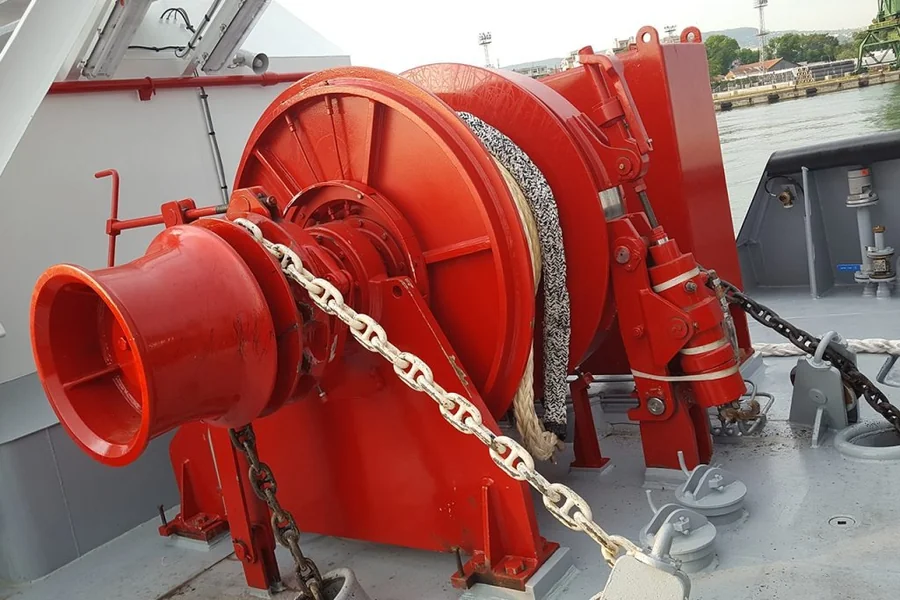
Key Highlights
Here’s a quick look at what we’ll cover to keep your winch in top shape: Regular cleaning of your electric winch is vital to prevent saltwater corrosion. Routine maintenance, including lubricating moving parts, ensures your drum winch operates smoothly. When performing routine maintenance on your winch, always disconnect the power source of your electric winch before beginning, wear appropriate safety gloves and goggles, and ensure the winch is securely fixed to prevent accidental movement. It’s important to follow your winch manufacturer’s safety guidelines to help prevent accidents and injuries during cleaning and general maintenance.
- Regular cleaning of your electric winch is vital to prevent saltwater corrosion.
- Routine maintenance, including lubricating moving parts, ensures your drum winch operates smoothly.
- Understanding the unique features of Savwinch anchor winches helps with proper care.
- Inspecting for corrosion, fraying, and wear can prevent major issues down the line.
- Knowing when to perform DIY fixes and when to call a professional is key to longevity.
- Following simple maintenance tips will extend the life of your marine equipment.
Introduction
An electric drum anchor winch is an essential piece of equipment for any Aussie boater, offering convenience and safety when you’re out on the water. However, the harsh marine environment, with its constant exposure to saltwater and sun, can take a toll on your gear. To ensure your anchor winch performs reliably every time you drop anchor, a little bit of care goes a long way. Simple steps like regular cleaning and applying marine grease can make all the difference in its performance and longevity.
Understanding Savwinch Winches and Their Importance in Australia
When it comes to high-quality anchoring solutions in Australia, Savwinch winches are a name many boaters trust. These winches are designed and built with the unique challenges of Australian waters in mind, from calm coastal bays to more demanding offshore conditions. Whether you have a small fishing boat or a larger yacht, having a reliable winch is non-negotiable for safety and ease of use.
Investing in Savwinch winches means you’re getting robust, well-engineered equipment. But even the best gear needs proper care to function at its peak. Regular maintenance ensures your winch remains a dependable part of your boating setup, ready to perform flawlessly whenever you need it. This guide will walk you through the basic steps to keep your Savwinch in top condition.
Unique Features of Savwinch Winches for Local Boaters
Savwinch winches are a top choice for Australian boaters thanks to their thoughtful design and durability. Made with high-quality 316-grade stainless steel, they resist saltwater corrosion—essential for frequent coastal use.
Their powerful motor and custom gearbox provide reliable pulling power, making anchor retrieval smooth even in tough conditions. This reliability gives local boaters peace of mind on the water.
Many models are also fully sealed to protect the motor and electrical parts from moisture and salt spray, reducing the risk of faults and corrosion. This makes Savwinch winches a practical, long-lasting option for Australia’s marine environment.
Why Regular Maintenance Matters for Your Savwinch Drum Anchor Winch
Neglecting your drum winch is like ignoring your car’s engine—problems are inevitable. Routine maintenance is the best way to keep your Savwinch reliable and lasting longer. Regular checks help catch early signs of corrosion or wear before they become expensive repairs.
Think of maintenance as prevention. A well-maintained anchor winch runs efficiently, reducing strain on the motor, battery, and electrical system. This ensures safer, smoother boating and avoids emergencies caused by a seized winch.
Consistent care protects your investment. Savwinch winches are durable, but harsh marine conditions take their toll. Spending a little time after each trip prevents saltwater damage, keeps parts working properly, and extends your winch’s life for years.
Basic Maintenance Steps for Savwinch Winches
Keeping your Savwinch winch in prime condition doesn’t require you to be a marine mechanic. The process boils down to a few simple, yet crucial, maintenance tips. The core of this routine involves regular cleaning to remove salt and grime, and proper lubrication of moving parts to ensure everything operates without unnecessary friction.
By incorporating these tasks into your post-boating cleanup, you can drastically reduce wear and tear. A few minutes spent with fresh water, a soft brush, and some quality marine grease will pay dividends in reliability and performance. Next, we’ll explore the specific techniques for cleaning and lubricating your winch.
Regular Cleaning Techniques for Longevity
Saltwater is highly corrosive and can quickly damage marine equipment like your Savwinch anchor winch. Regular cleaning is essential for protection. After every trip, rinse the entire winch, rope, and chain with fresh water to remove salt deposits that cause corrosion.
Use a soft brush and mild boat soap for stubborn grime, focusing on crevices and mounting bolts. Avoid high-pressure washers, as they can push water into electrical components.
To prolong your winch’s life:
- Rinse with fresh water after each use.
- Clean with a soft-bristled brush and mild soap as needed.
- Keep electrical connections clean and dry.
- Let the winch air dry fully before covering your boat.
Lubricating Essential Parts and Components
Once your winch is clean and dry, lubricate it to reduce friction, prevent seizing, and protect against corrosion. Use high-quality marine grease, which resists water and withstands harsh marine conditions.
Focus on moving parts that handle the most stress, especially the main shaft and bearings, to keep the drum spinning smoothly. Also check the gearbox and clutches; many Savwinch models have sealed gearboxes that may not need maintenance. Always consult your owner’s manual for specific lubrication points.
Key areas to lubricate:
- Apply marine grease to the main drive shaft at the bearings.
- Lightly grease visible moving parts of the clutch mechanism.
- Lubricate bearing surfaces to keep them smooth.
- If your winch has grease nipples, use a grease gun with the recommended lubricant.
Inspecting and Troubleshooting Common Issues
Regular inspections are essential for catching problems early. As you clean your winch, watch and listen for signs of wear, strange noises, or hesitation during operation—these can indicate underlying issues.
This section explains how to spot common trouble spots like frayed rope and corroded electrical connections. Recognizing these symptoms helps you handle simple fixes yourself or know when to call a professional.
Identifying Signs of Wear or Damage
A quick visual and auditory inspection reveals much about your anchor winch’s health. Check the rope for fraying, kinks, or broken strands; inspect chains for rust, bent links, or excessive wear. Corrosion—white residue or rust stains—on the winch body, hardware, and terminals signals saltwater damage. Listen for grinding, whining, or clicking noises during operation; these may indicate gearbox or motor issues.
Monitor performance under load. If the winch struggles or runs slowly, it could mean a weak battery, a poor electrical connection, or internal problems.
| Symptom | Possible Cause | What to Check |
| Slow/weak operation | Low power/high friction | Battery voltage, electrical connections, and lubrication |
| Grinding/whining noise | Internal component wear | Gearbox and motor bearings (may need professional service) |
| Rope fraying/kinking | Wear/improper spooling | Entire rope length and drum alignment |
| Visible corrosion | Saltwater damage | Winch housing, terminals, mounting bolts |
Simple DIY Fixes and When to Seek Professional Help
Many common winch issues can be fixed with basic tools and simple troubleshooting. If your winch is slow or intermittent, the problem is usually electrical. Check that the battery is fully charged and all connections at the battery, circuit breaker, and winch terminals are clean, tight, and free of corrosion—a wire brush and screwdriver often suffice.
Loose connections or a tripped circuit breaker are common culprits. Replace blown fuses or tighten terminals before seeking professional help.
Know your limits. If basic checks don’t solve the issue or you hear grinding noises, contact a professional. Avoid disassembling sealed gearboxes or motors without proper expertise.
Quick checklist:
- Clean all electrical terminals.
- Ensure the circuit breaker is functioning.
- Check the rope for correct spooling and binding.
- For internal motor or gearbox issues, contact a Savwinch service agent.
Conclusion
In summary, taking care of your Savwinch winches is essential for ensuring their longevity and optimal performance. By understanding the unique features and requirements of these electric drum anchor winches, you can implement basic maintenance steps such as regular cleaning, proper lubrication, and routine inspections. These practices not only enhance the lifespan of your winch but also ensure safety during your boating adventures. Remember, a little preventive care goes a long way in avoiding costly repairs down the line. If you’re ready to keep your Savwinch winches in top shape, start implementing these simple maintenance tips today!
Frequently Asked Questions
How often do I need to service my Savwinch winch?
Routine maintenance, like rinsing with fresh water, should be done after every trip. A more thorough check, including lubrication and inspecting electrical connections for corrosion, is recommended at least every few months, or more frequently if you use your boat often in saltwater. An annual service for your anchor winch is a great habit.
Do I need to remove my winch for routine maintenance?
No, you do not need to remove your marine electric winch for most routine maintenance. Tasks like cleaning, visual inspections, and lubricating external parts can all be done with the winch mounted on the boat. Just be sure to disconnect the power supply at the circuit breaker before working on electrical connections.
What should I do if my winch isn’t operating smoothly?
If you notice a lack of smooth operation, first check for obvious signs of wear or friction. Inspect the rope for tangles and clean the electrical connections. If troubleshooting these simple issues doesn’t solve the problem, it may indicate an internal issue, and you should contact a qualified technician for assistance.