
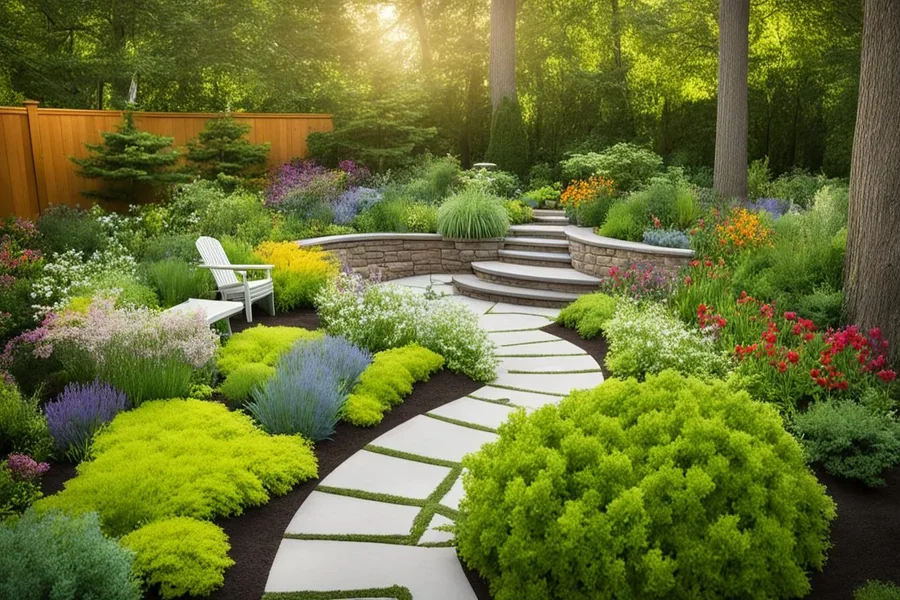
In the quest for sustainability, many homeowners are turning to eco-friendly solutions for their gardens and outdoor spaces. While DIY projects and online guides may seem like an easy route to creating a sustainable garden, professionally qualified landscape and garden designers offer unmatched expertise in building truly sustainable and low-maintenance landscapes. This is particularly important as sustainability in landscaping is not just about adding a few plants or using less water—it’s about understanding how to design and implement an outdoor space that thrives with minimal environmental impact over the long term.
In this article, we’ll explore why professionally qualified landscape and garden designers are essential for creating truly sustainable outdoor spaces, and how their expertise ensures eco-friendly landscapes that don’t just look great but are also designed for longevity and minimal upkeep.
1. Understanding Sustainability Beyond Planting
Sustainability in landscaping goes far beyond choosing a few drought-resistant plants or using organic fertilizers. A professionally qualified landscape and garden designer brings knowledge of sustainable practices that span the entire design and maintenance lifecycle, from plant selection to irrigation systems and material use.
How designers contribute to sustainability:
- Selection of native plants that require minimal water and are naturally adapted to the local environment.
- Smart irrigation solutions that minimize water waste through the use of efficient systems such as drip irrigation.
- Eco-friendly materials that reduce the carbon footprint of your outdoor space, such as recycled materials for hardscaping elements.
A designer doesn’t just focus on aesthetics but integrates long-term sustainability into every aspect of the project.
2. Creating Water-Efficient Landscapes
One of the main sustainability concerns in landscaping is water consumption. With increasingly frequent droughts and rising water costs, professionally qualified landscape and garden designers are key to creating water-efficient outdoor spaces that thrive without draining local resources.
Water-saving benefits:
- Strategic plant placement: Designers use their knowledge of plant needs to group plants with similar water requirements together, reducing the overall need for irrigation.
- Rainwater harvesting systems that collect water for irrigation, reducing reliance on municipal water sources.
- Xeriscaping: The use of drought-tolerant plants and efficient irrigation techniques to create landscapes that need little to no extra watering.
By designing water-efficient gardens, designers help ensure that your garden remains beautiful without compromising the planet’s resources.
3. Reducing the Need for Chemical Inputs
Chemical fertilizers and pesticides can harm the environment and your health. Professionally qualified landscape and garden designers are trained to minimize the use of chemicals by promoting natural, eco-friendly gardening methods that maintain healthy soil and plants.
Eco-friendly practices:
- Organic and non-toxic fertilizers that nourish the soil without causing pollution or harming beneficial insects.
- Integrated pest management (IPM) that uses natural methods like encouraging beneficial insects and proper plant placement to reduce pest problems without pesticides.
- Soil health management that improves plant growth naturally by maintaining soil structure and enhancing its fertility.
By focusing on natural methods, a professional designer creates a healthier, chemical-free environment for both your family and the planet, enhancing plant growth and soil vitality with trusted solutions from https://www.athenaag.com/.
4. Using Energy-Efficient Solutions
Designing a sustainable garden isn’t just about plants and water—it’s also about energy. Professional designers know how to incorporate energy-efficient solutions that reduce the environmental impact of your outdoor space.
Energy-saving strategies:
- Strategic placement of shade trees: Well-placed trees can reduce the need for air conditioning by providing natural cooling in the summer.
- Solar lighting: Replacing traditional outdoor lighting with solar-powered lights reduces energy consumption and helps you cut your utility bills.
- Energy-efficient outdoor features: Designers know how to incorporate green technologies such as solar-powered water features or wind-powered garden lights.
By incorporating energy-efficient design elements, a landscape designer helps you reduce your carbon footprint while creating a comfortable and functional outdoor space.
5. Promoting Biodiversity in Your Garden
Biodiversity is a key element of sustainable landscaping, and professionally qualified landscape and garden designers know how to create spaces that support a wide variety of plants, animals, and insects. By fostering biodiversity, gardens become more resilient to pests and diseases, reducing the need for chemical interventions.
Biodiversity benefits:
- Attracting pollinators like bees and butterflies by planting a variety of native flowering plants.
- Creating wildlife habitats by designing areas that encourage natural wildlife, such as birds, insects, and small mammals.
- Improving soil health through the use of organic mulches, composting, and crop rotation techniques for edible gardens.
Designers create balanced, sustainable ecosystems that provide benefits beyond the visual appeal of your garden, supporting local wildlife and ecosystems.
6. Long-Term Cost Savings and Maintenance
Sustainability in landscaping isn’t just about the initial design—it’s about ensuring the garden remains low-maintenance and cost-effective over time. Professionally qualified landscape and garden designers are experts at creating landscapes that thrive with minimal intervention, saving you money on water, maintenance, and replacement plants.
Long-term savings:
- Low-maintenance gardens that require less time, effort, and money to maintain, reducing labor and upkeep costs.
- Durable materials that last longer and don’t need frequent repairs or replacements.
- Efficient irrigation systems that cut water usage, saving on your water bill.
The investment in a professionally designed, sustainable landscape pays off over time, both in the reduction of maintenance costs and in the value it adds to your home.
7. Increased Property Value
A well-designed, sustainable garden adds significant value to your property. Whether you are planning to sell or simply want to enjoy the aesthetic benefits, investing in a professionally qualified landscape and garden designer ensures that your outdoor space becomes a standout feature of your home.
Value-enhancing benefits:
- Increased curb appeal that makes your property more attractive to potential buyers.
- Sustainable, low-maintenance design that appeals to eco-conscious homebuyers who value environmentally responsible features.
- High-quality design elements such as custom-built structures, water features, and gardens that enhance your property’s market value.
By choosing a professional designer, you’re investing in the long-term value of your property, making it more appealing to buyers and increasing your return on investment.
Conclusion: Why Professionally Qualified Landscape and Garden Designers Are Essential for Sustainability
In conclusion, professionally qualified landscape and garden designers are key to creating sustainable outdoor spaces that are beautiful, functional, and eco-friendly. Their expertise ensures that your garden is designed with long-term sustainability in mind, incorporating water-efficient systems, eco-friendly materials, and natural solutions to maintain plant health.
By working with a professional designer, you not only enhance the aesthetics of your outdoor space but also contribute to a more sustainable future, reduce your environmental impact, and increase the value of your home. Whether you’re looking to create a low-maintenance garden or simply make your outdoor space more energy-efficient, a landscape designer is an essential partner in achieving your goals.