
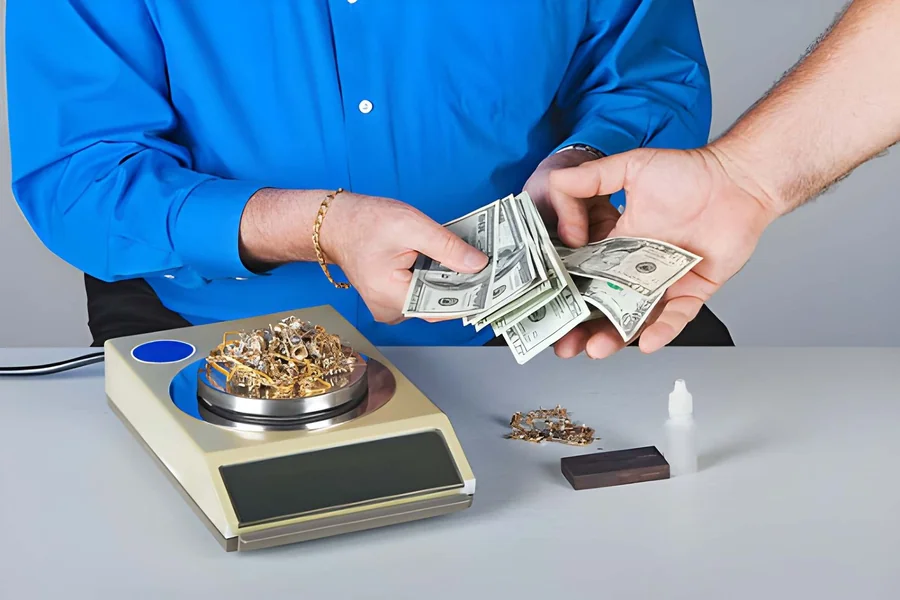
In today’s fluctuating economy, many people are turning to their jewelry boxes for quick cash, especially with gold prices hovering at record highs. Whether you’re decluttering, facing financial needs, or simply looking to capitalize on the market, sell gold jewelry can be a smart move—if done right. However, the process is fraught with pitfalls that can leave you shortchanged or regretting your decision. By understanding and avoiding common errors, you can maximize your returns and ensure a smooth transaction.
Gold Market Before You Dive In
Before you even think about handing over your heirlooms or broken chains, grasp the basics of the gold market. Gold’s value is tied to its purity (measured in karats), weight, and the current spot price, which changes daily based on global demand, inflation, and economic factors. A common blunder is rushing into a sale without checking these elements. For example, 24-karat gold is pure, while 14-karat is alloyed and worth less per gram. Ignoring this can lead to accepting offers far below market value.
Mistake #1: Not Researching the Buyer’s Reputation
One of the gravest errors is selecting a buyer without due diligence. Scammers and unethical dealers abound, especially in online marketplaces or pop-up shops. Always verify reviews on platforms like the Better Business Bureau, Google, or Trustpilot. Look for accreditations from organizations such as the Jewelers Vigilance Committee or the International Gemological Institute.
A telltale sign of a shady buyer is aggressive advertising promising “top dollar” without transparency. Instead, opt for established jewelers or refiners with a track record. For instance, local businesses often provide better accountability than mail-in services, where items could get “lost” or undervalued. By researching, you build trust and avoid heartbreak stories of sellers receiving pennies on the dollar.
Mistake #2: Accepting the First Offer You Get
It’s tempting to take the initial quote, especially if you’re in a hurry, but this can cost you hundreds. Prices vary widely between buyers due to their overhead, profit margins, and daily rates. Shop around by getting quotes from at least three sources—pawn shops, jewelers, and online buyers.
Compare not just the dollar amount but the breakdown: How much per gram? Are stones factored in? Hidden fees for testing or shipping? A higher offer might come with deductions that erode your profit. Patience here pays off; one seller reported a 20% increase by simply walking away from the first bid and negotiating elsewhere.
Mistake #3: Confusing an Appraisal with a Purchase Offer
Many mix up these terms, leading to disappointment. An appraisal estimates value for insurance or estate purposes, often higher than what a buyer will pay since it doesn’t account for resale margins. A true offer is what someone is willing to pay right now.
Get an independent appraisal first to know your baseline, then solicit offers. This way, you can spot discrepancies and haggle effectively. Avoid buyers who bundle “free appraisals” with sales pitches—they’re often inflated to lure you in, only to drop during the actual deal.
Mistake #4: Cleaning or Polishing Your Gold Before Selling
Contrary to intuition, scrubbing your pieces shiny might decrease their value. Professional buyers assess gold based on weight and purity, not appearance. Harsh cleaners can remove microscopic gold particles or damage settings, especially in antique items.
Moreover, dirt or patina can sometimes add historical value. Leave cleaning to experts post-sale if needed. One common tale: A seller polished away engravings on a vintage ring, turning a collectible into scrap metal worth far less.
Mistake #5: Ignoring the Value of Gemstones and Diamonds
Gold jewelry often features diamonds, sapphires, or other stones that hold significant worth. A frequent oversight is selling the piece as “gold only,” allowing buyers to pocket the gem value. Insist on separate evaluations—remove stones if possible, or find buyers who specialize in both.
For high-quality gems like vivid diamonds, certifications from GIA or AGS can boost offers. Don’t let a buyer dismiss them as “not worth much”; get a gemologist’s opinion to ensure you’re compensated fully.
Mistake #6: Falling for Pressure Tactics or Hidden Fees
Unscrupulous sellers use high-pressure sales to rush decisions, like “This offer expires today!” or emotional manipulation. Walk away from such tactics—they’re red flags for unfair deals.
Watch for hidden charges: Assay fees, melting costs, or transaction surcharges that slash your payout. Transparent buyers disclose everything upfront. If something feels off, trust your gut and seek alternatives.
Mistake #7: Selling to Pawn Shops Without Alternatives
Pawn shops are convenient but often offer the lowest prices due to their business model—quick loans mean lower buy rates. They’re fine for emergencies, but for maximum value, consider jewelers, auctions, or online platforms like eBay (with caution for fees and scams).
If using pawn shops, negotiate hard and know you can redeem if unhappy. Better yet, explore refiners who melt down scrap for near-spot prices, ideal for broken or mismatched items.
Mistake #8: Overlooking Numismatic or Collectible Value
Not all gold is equal. Coins or rare jewelry might have numismatic value beyond melt price, based on rarity, condition, and history. Standard bullion sells at spot, but a gold eagle coin could fetch premiums.
Consult a numismatist for such items. Selling a collectible as scrap is like burning money—research editions, mint marks, and market demand first.
Mistake #9: Neglecting Accurate Testing and Weighing
Buyers should test purity with acid or XRF machines in your presence. Demand transparency—watch the scale and testing to prevent sleight-of-hand tricks like switching items or using rigged equipment.
Insist on calibrated scales and documented results. If a buyer refuses, that’s a major warning sign. Accurate assessment ensures you get paid for every karat.
Mistake #10: Forgetting Tax Implications and Documentation
Selling gold can trigger capital gains taxes if profits exceed thresholds. Keep records of purchase prices, sale amounts, and receipts to report accurately. Consult a tax advisor to avoid surprises come filing time.
Also, get everything in writing: Offers, payouts, and item descriptions. This protects against disputes and builds a paper trail for peace of mind.