
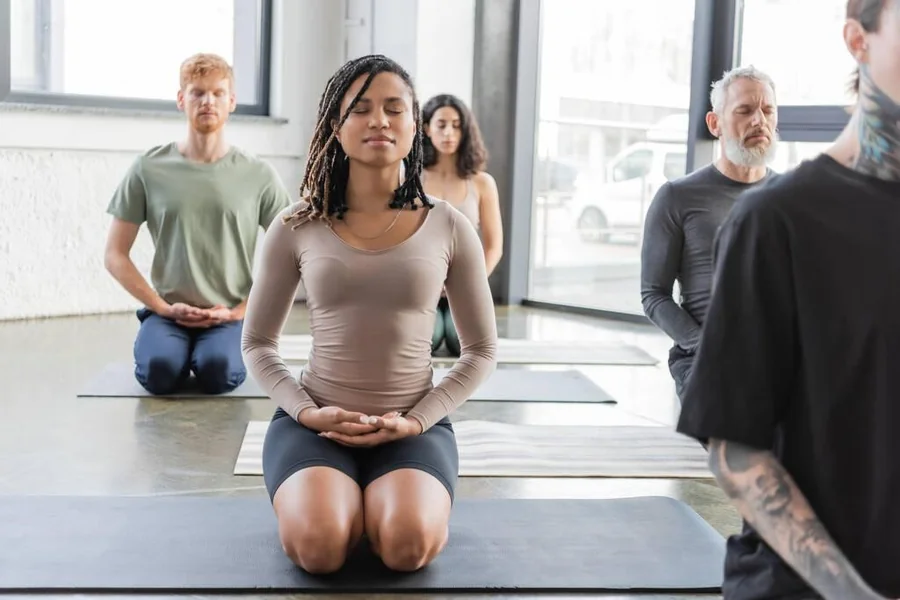
Prenatal yoga is a form of exercise tailored to the needs of pregnant women. It blends gentle postures, controlled breathing, and relaxation techniques to improve physical comfort, mental clarity, and emotional well-being. By incorporating movements adapted to each stage of pregnancy, expectant mothers can manage bodily changes while preparing for childbirth with confidence.
This article is intended to help readers identify quality prenatal yoga classes in their local area. For expectant mothers searching for prenatal yoga classes near me, understanding what defines a safe and supportive programme can make the selection process more confident and informed. The focus is on promoting safe practices, reducing discomfort during pregnancy, and supporting overall maternal health. Beyond the physical benefits, prenatal yoga provides a calming space for mindfulness, stress relief, and connection with other expectant mothers.
Benefits of Prenatal Yoga
Prenatal yoga offers a wide array of benefits for women during pregnancy:
- Physical Comfort: Gentle stretches and controlled movements help reduce tension in the back, hips, and legs. Improved flexibility and muscle strength support posture and mobility, making everyday tasks easier.
- Stress Reduction: Breathing techniques and guided relaxation alleviate anxiety, creating a sense of calm. Mindful practice encourages a more positive outlook, helping mothers-to-be navigate the emotional fluctuations that can arise during pregnancy.
- Preparation for Childbirth: Strengthening key muscle groups, especially in the core and pelvic areas, can facilitate labour. Breathing and relaxation exercises also aid in managing contractions and maintaining focus during delivery.
- Community Connection: Participating in group classes fosters a sense of support and shared experience. Expectant mothers can share insights, offer encouragement, and feel less isolated during pregnancy.
Choosing the Right Prenatal Yoga Class
Selecting an appropriate class influences both safety and enjoyment. Consider the following elements when searching for prenatal yoga sessions:
- Qualified Instructors: Trainers who specialise in prenatal yoga understand the unique physical and emotional needs of expectant mothers. Their guidance ensures exercises are safe, accessible, and adjusted according to each participant’s stage of pregnancy.
- Class Size: Smaller classes allow for more personalised attention. Instructors can provide corrections, offer modifications, and respond to individual questions, helping participants get the most from each session.
- Location and Convenience: Classes close to home or work reduce commuting time, making it easier to maintain a regular schedule. Accessibility encourages consistency and minimises stress associated with travelling long distances.
- Community and Support: Joining a class that emphasises connection among participants can provide motivation and encouragement. Shared experiences foster camaraderie and offer opportunities for emotional support throughout the pregnancy journey.
- Studio Safety and Cleanliness: Studios that prioritise hygiene, regularly sanitise equipment, and maintain clean facilities contribute to a safe environment. A secure and organised space supports both physical comfort and peace of mind.
Steps to Locate Prenatal Yoga Classes Nearby
Finding a suitable prenatal yoga class requires research and recommendations. Consider these approaches:
- Online Search: Use search engines or online directories to find local prenatal yoga classes. Websites often include schedules, instructor credentials, and reviews from other participants.
- Healthcare Provider Referrals: Consult obstetricians, midwives, or physiotherapists for recommendations. Medical professionals can suggest classes that match your health requirements and stage of pregnancy.
- Community Recommendations: Friends, family, and social groups can provide valuable suggestions based on personal experiences. Peer recommendations often highlight instructors who are knowledgeable, supportive, and approachable.
- Local Maternity Stores: Some maternity shops partner with yoga studios or display community bulletin boards listing prenatal wellness programmes. Visiting these stores can lead to discovering classes that fit your schedule and preferences.
Conclusion
Prenatal yoga promotes physical comfort, mental clarity, and emotional resilience for expectant mothers. By engaging in these classes, pregnant women can build flexibility, reduce stress, and develop techniques that prepare them for childbirth. The social aspect of classes provides connection, encouragement, and a sense of community, helping participants feel supported throughout pregnancy.
Selecting the right prenatal yoga class involves reviewing instructor qualifications, class size, location, and studio conditions. Taking the time to find an appropriate class enhances safety, promotes consistency, and enriches the overall pregnancy experience. Expectant mothers can gain strength, confidence, and mindfulness, creating a foundation for a healthier pregnancy and a positive transition into motherhood.
Engaging in prenatal yoga is more than a physical activity; it is a supportive practice that nurtures both body and mind. By choosing a local class that meets your needs, you can enjoy a fulfilling, safe, and enjoyable journey toward parenthood.
Frequently Asked Questions About Prenatal Yoga
- When is the best time to start prenatal yoga?
Many instructors recommend beginning prenatal yoga during the first trimester. Starting early allows expectant mothers to adapt gradually to gentle movements and breathing techniques that support flexibility, strength, and mental well-being. - When should pregnancy classes begin?
Pregnancy-focused courses, including childbirth education and yoga, are often suggested around the second trimester, between 20 and 24 weeks. This timing helps parents learn essential techniques for labour, breathing, and newborn care ahead of delivery. - Are prenatal classes worth the investment?
Yes. Prenatal classes provide practical knowledge, guidance, and techniques that improve comfort and confidence during pregnancy and labour. Participants gain skills in relaxation, posture, and mindful breathing, which can significantly reduce stress and anxiety. - What type of yoga is suitable for prenatal practice?
Gentle forms of yoga, such as Hatha or restorative, are ideal. These styles emphasise slow, controlled movements, deep breathing, and relaxation techniques that support both the mother and the developing baby.