
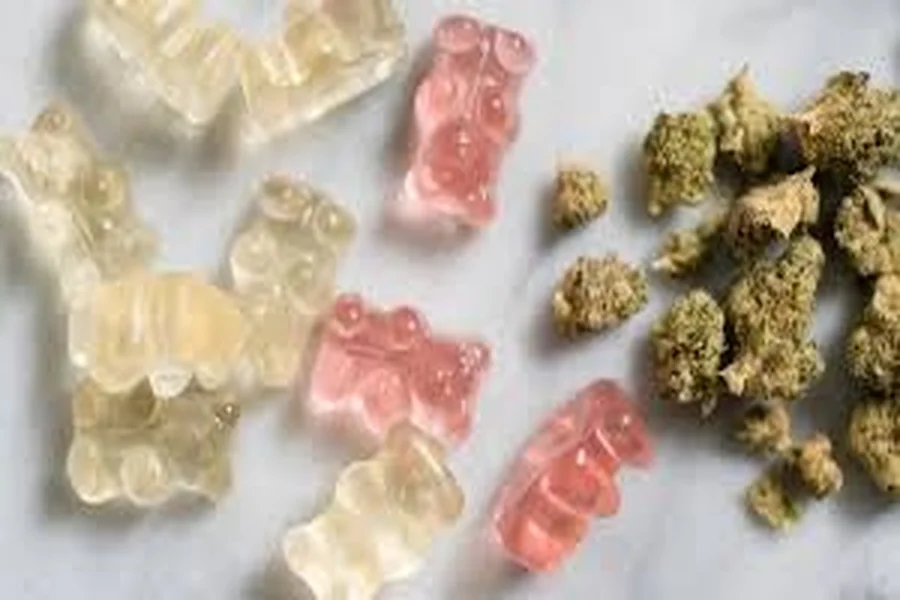
Edible cannabis products have become a widely discussed alternative to smoking or vaping, especially as more consumers look for discreet and smoke-free options. While all consumption methods aim to deliver cannabinoids like THC into the body, the way those compounds are absorbed, processed, and experienced can vary significantly. These differences influence not only how long the effects last, but also how intense they feel and how predictable the experience may be. We will explore how edibles interact with the body compared to inhaled methods, focusing on digestion, metabolism, onset timing, and overall physiological impact. Understanding these distinctions helps explain why edibles often feel stronger and last longer, even when taken in small amounts.
Digestive Processing and Metabolic Conversion
1. The Role of Digestion in Cannabinoid Absorption
When edibles are consumed, cannabinoids travel a much longer and more complex path through the body than they do when inhaled. Instead of entering the bloodstream through the lungs, edible cannabinoids must first pass through the digestive system. After ingestion, they move from the stomach to the intestines, where absorption begins. From there, cannabinoids are transported to the liver for processing. This step is crucial because the liver converts delta-9 THC into 11-hydroxy-THC, a compound known for producing more pronounced psychoactive effects.
This metabolic conversion does not occur in the same way when smoking or vaping. As a result, edibles can feel more intense and immersive, even at lower doses, which is one reason many consumers turn to carefully formulated products such as those found at https://d8gas.com/collections/boutiq/. The digestive process also introduces variability based on factors like body composition, hydration, and recent meals, making each experience less predictable. This slower, metabolism-driven pathway explains why edible effects often feel deeper and more body-focused than inhaled forms, which tend to produce faster but shorter-lived sensations.
2. Delayed Onset and Extended Duration of Effects
Smoking or vaping delivers cannabinoids directly to the bloodstream through the lungs, creating a rapid and more linear absorption process. Within minutes, THC reaches the brain, allowing users to gauge effects quickly and adjust intake if needed. Edibles, on the other hand, delay this feedback loop. Because digestion and liver metabolism take time, effects may not appear for 30 minutes to two hours. This delayed onset often leads to unintentional overconsumption, as users may assume the edible is not working and consume more.
Once the effects begin, they can arrive all at once, feeling stronger than expected. The body processes inhaled cannabinoids more efficiently, breaking them down and eliminating them faster. In contrast, edibles remain active in the system for longer, sometimes for six to eight hours or more. This extended duration is not a matter of potency alone but a result of how the body metabolizes cannabinoids through digestion rather than direct lung absorption.
3. Full-Body Sensations Versus Head-Centered Effects
Another key difference lies in how edibles affect the body as a whole rather than concentrating effects in the head. Because 11-hydroxy-THC crosses the blood-brain barrier more efficiently, edibles often produce sensations that feel heavier, warmer, and more physically noticeable. Users frequently describe a full-body experience that unfolds gradually and remains steady over time. Smoking or vaping, by comparison, tends to emphasize cerebral effects such as alertness or euphoria, which peak quickly and fade sooner.
The digestive route also means edibles interact more closely with the body’s endocannabinoid system over an extended window. This prolonged interaction can influence appetite, sleep patterns, and physical relaxation in ways that inhaled methods may not sustain. The difference is not merely about strength but about how the body distributes and maintains cannabinoids. Edibles engage the body slowly and thoroughly, whereas inhalation delivers a sharp, immediate signal that dissipates more quickly.
4. Individual Metabolism and Variability in Response
Tolerance and individual response also play a larger role with edibles than with smoking or vaping. Because digestion varies from person to person, two individuals who eat the same food may have very different experiences. Factors such as metabolic rate, liver enzyme activity, and gut health can influence how cannabinoids are converted and absorbed. Smoking and vaping tend to produce more consistent results because lung absorption is relatively uniform. With edibles, the body’s internal chemistry becomes a determining factor. This variability can make edibles feel unpredictable, especially for those accustomed to inhaled methods. Over time, repeated use of the same edible may affect tolerance differently, as the body adapts to prolonged exposure rather than to short bursts. This distinction is important when comparing consumption styles, as it highlights why dosage guidance for edibles often emphasizes patience and awareness rather than immediate feedback.
5. Long-Lasting Presence and Residual Effects
Duration and aftereffects further separate edibles from smoking or vaping in meaningful ways. Inhaled cannabinoids typically peak within minutes and taper off within a few hours, allowing users to return to baseline relatively quickly. Edibles, however, create a longer arc of effects that can linger well into the day or evening. Even after the primary sensations fade, subtle aftereffects such as relaxation or drowsiness may persist. This extended timeline is a direct result of how the body stores and releases metabolized cannabinoids. For some, this long-lasting presence is appealing; for others, it requires careful planning. The body’s slower elimination of endogenous compounds means they interact with multiple systems for longer, influencing mood, perception, and physical comfort in a sustained manner. This difference in duration underscores why edibles are often described as a commitment rather than a quick experience.
Edibles affect the body in fundamentally different ways than smoking or vaping because they rely on digestion and liver metabolism rather than direct lung absorption. This altered pathway changes how cannabinoids are converted, how quickly effects appear, and how long they last. While inhaled methods offer immediacy and control, edibles introduce depth and duration shaped by individual physiology. Recognizing these differences allows for more informed choices and clearer expectations, highlighting that each method interacts with the body through distinct biological processes rather than delivering the same experience in a different form.