
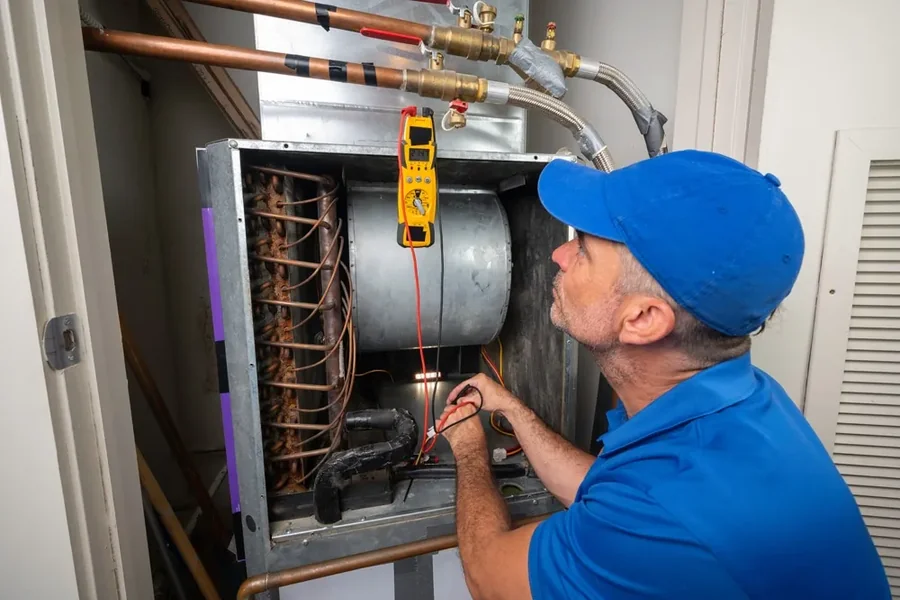
When the cold months arrive, a well-functioning heating system becomes essential for maintaining a comfortable home environment. However, issues such as blower problems and weak airflow can disrupt this comfort, leading to uneven heating and increased energy bills. Understanding the common causes of these issues and knowing how to address them can save homeowners from discomfort and costly repairs. This article delves into the intricacies of heating repair, focusing on blower issues and weak airflow, providing valuable insights into maintaining an efficient heating system.
Common Causes of Blower Issues
Blower issues in heating systems can stem from various sources, each affecting the system’s performance differently. One common cause is a malfunctioning blower motor. The motor is responsible for driving the fan that circulates air throughout the home. If the motor is faulty, it may not spin at the required speed, leading to inadequate airflow. Another potential issue is a worn-out belt. In some systems, the blower motor is connected to the fan via a belt. Over time, this belt can wear out or become loose, causing the blower to operate inefficiently. Additionally, electrical problems such as faulty wiring or a blown fuse can prevent the blower from receiving the power it needs to function. Regular maintenance and timely repairs are crucial to prevent these issues from escalating into more significant problems.
Diagnosing Weak Airflow
Weak airflow in a heating system can be frustrating, especially when the system appears to be running but fails to heat the home effectively. Several factors can contribute to this problem. One of the primary causes is a clogged air filter. Air filters are designed to trap dust, dirt, and other particles, preventing them from entering the system. However, when these filters become clogged, they restrict airflow, reducing the system’s efficiency. Another potential cause is blocked or leaky ductwork. Ducts are responsible for distributing heated air throughout the home, and any obstruction or leak can significantly impact airflow. Additionally, issues with the blower fan itself, such as dirt accumulation or mechanical failure, can also lead to weak airflow. Learn more about these issues to ensure your heating system operates at peak efficiency.
Importance of Regular Maintenance
Regular maintenance is vital for preventing blower issues and weak airflow in heating systems. By scheduling routine inspections and cleanings, homeowners can identify and address potential problems before they escalate. During maintenance, technicians can check the condition of the blower motor, belts, and electrical components, ensuring they are in good working order. They can also replace or clean air filters, inspect ductwork for leaks or blockages, and lubricate moving parts to reduce wear and tear. Regular maintenance not only extends the lifespan of the heating system but also improves its efficiency, leading to lower energy bills and a more comfortable home environment.
When internal components like the blower wheel or evaporator coils become coated in dust, the system’s ability to move air is significantly compromised. This buildup often forces the motor to run longer and hotter, which can lead to premature mechanical failure if left unaddressed. Professionals from Price Heating & Air Conditioning often note that these issues typically start small but can quickly escalate into expensive repairs or complete system shutdowns. Maintaining a clear path for airflow by ensuring the blower compartment remains free of debris is essential for efficiency. By addressing these minor obstructions early, you can prevent the unnecessary strain that frequently causes increased energy costs and inconsistent temperatures throughout your home.
Quick Fixes for Immediate Relief
In some cases, homeowners may need immediate relief from blower issues or weak airflow before professional help arrives. One quick fix is to check and replace the air filter if it appears dirty or clogged. This simple step can significantly improve airflow and system efficiency. Another temporary solution is to inspect the thermostat settings. Ensuring the thermostat is set to the correct mode and temperature can sometimes resolve airflow issues. Additionally, checking for any visible obstructions in the ductwork or vents and removing them can help restore proper airflow. While these fixes may provide temporary relief, it is essential to seek professional assistance for a thorough diagnosis and repair.
Conclusion
Addressing blower issues and weak airflow in heating systems is crucial for maintaining a comfortable and energy-efficient home. By understanding the common causes of these problems and the importance of regular maintenance, homeowners can take proactive steps to ensure their heating systems operate effectively. While quick fixes may offer temporary relief, professional diagnosis and repair are essential for long-term solutions. Regular maintenance not only prevents costly repairs but also enhances the system’s performance, providing consistent warmth during the colder months. Prioritizing these aspects will ensure a reliable and efficient heating system, contributing to a comfortable living environment.