
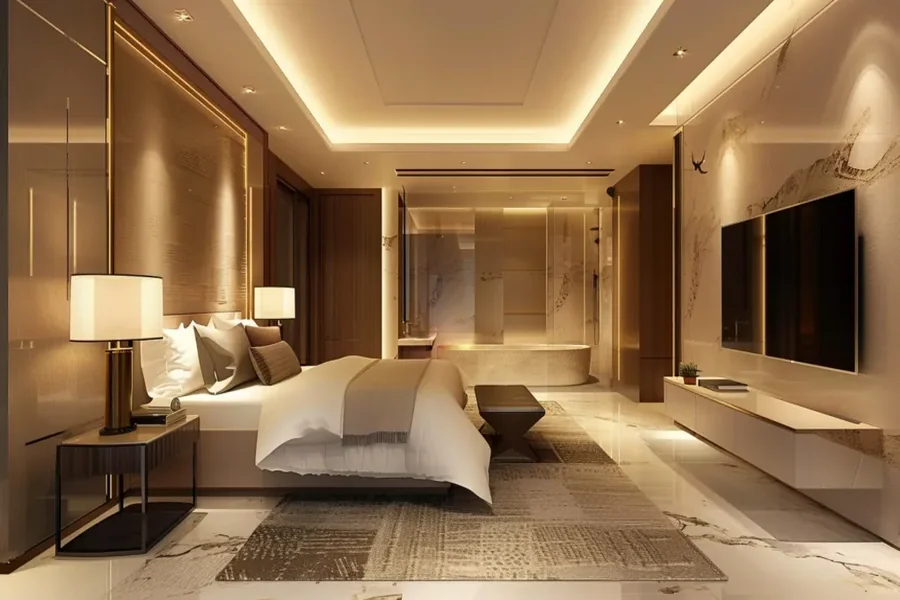
Lighting warmth is one of the fastest ways a space communicates comfort or urgency. The color tone of light, whether it leans amber or bluish, quietly shapes how guests interpret the room, even before they read a menu or greet staff. Warm lighting can soften edges, make faces look friendlier, and reduce the sense of exposure that people feel in unfamiliar places. Cooler lighting tends to increase alertness and clarity, which can be useful for task-focused settings, but it can also make social spaces feel more clinical if it is too intense. Because mood affects behavior, lighting that is warm can influence how long guests linger, how much they talk, and whether they order another round. When lighting aligns with the venue’s purpose, guests often settle into the environment without thinking about why it feels right, and that comfort can naturally extend their visits.
How Warmth Shapes Behavior
-
Warm Light and Social Ease
Warm lighting encourages a slower, more relaxed pace because it mirrors the tones people associate with evening, candles, and home interiors. When the room is warmer, guests tend to feel less rushed, which supports longer conversations and more lingering after meals. This is partly visual and partly psychological. Warm tones reduce harsh contrast, so the space looks calmer and less demanding. It can also make food appear richer, and drinks look more inviting, subtly reinforcing the desire to stay and enjoy. In many hospitality settings, the goal is not to trap guests but to create a rhythm that feels comfortable enough for a second order or dessert. In places where winters are long and streets are busy, warm interiors become a form of refuge, which can matter in cities like Chicago, IL, where guests may enter a venue seeking relief from cold and noise. When guests feel sheltered and seen, they often slow down, settle into their seats, and stop scanning for the exit. That shift can add minutes or even an extra hour to a typical visit.
-
Cool Light and Quick Turnover Signals
Cooler lighting can increase perceived energy and help guests stay alert, which is why it is common in cafes, fast-casual restaurants, and high-traffic retail spaces. The clearer, whiter tone improves visibility, making it easier to read menus, notice signage, and move through the room efficiently. That can be a benefit when a venue needs faster table turnover or wants to create a lively daytime feel. The trade-off is that cooler light can also heighten self-awareness and reduce the sense of privacy. When faces and surfaces are sharply lit, people may feel more observed, which can shorten how long they want to linger. Cool light can also emphasize reflective surfaces, creating glare that makes the room feel louder even when sound levels are unchanged. Guests may interpret that sensory sharpness as a signal to finish up and move on. The effect becomes stronger when cool lighting is paired with bright overhead fixtures and minimal layering, because there is no visual softness to counterbalance the intensity. In that way, lighting warmth becomes part of the venue’s pacing tool, whether intentional or accidental.
-
Layered Warmth and the Feeling of Choice
Many venues use layered lighting to shape mood across different zones, and the warmth level in each layer affects how guests use the space. A bar might use warmer pendants near seating to encourage lingering, while keeping slightly cooler task lighting at service points for staff visibility. This creates a balance in which guests feel comfortable while operations remain smooth. Layering also gives guests a sense of choice, allowing them to choose a brighter spot for quick dining or a dimmer corner for longer conversation. That sense of control can extend the length of stay because guests settle where they feel most at ease. Warm accent lighting on walls and booths reduces the harshness of overhead lighting, making the room feel deeper and more intimate. When people think of intimacy, they often lower their voice, lean in, and engage longer. Even the transition from day to night can be guided by gradually dimming and warming the light, signaling a shift to a slower tempo without verbal cues. The more consistent the lighting story feels, the less likely guests are to feel sensory fatigue, which is one reason layered warmth can support longer stays.
Lighting warmth changes guest mood and length of stay by shaping comfort, privacy, and the pace a room communicates. Warm light tends to soften the environment, support social ease, and encourage guests to linger through another drink, dessert, or conversation. Cooler light improves clarity and energy, but it can also signal quicker turnover when it feels sharp or overly bright. Layered lighting blends these effects by keeping task areas functional while giving guests warmer zones that feel relaxed and inviting. When lighting is warm and matches the venue’s purpose, guests often feel more settled and emotionally at ease, which can lengthen their visits without feeling pressured. Thoughtful lighting choices also reduce sensory strain, making the experience feel smoother from arrival to the final moments. In hospitality, that emotional temperature often decides whether guests leave quickly or stay longer.