
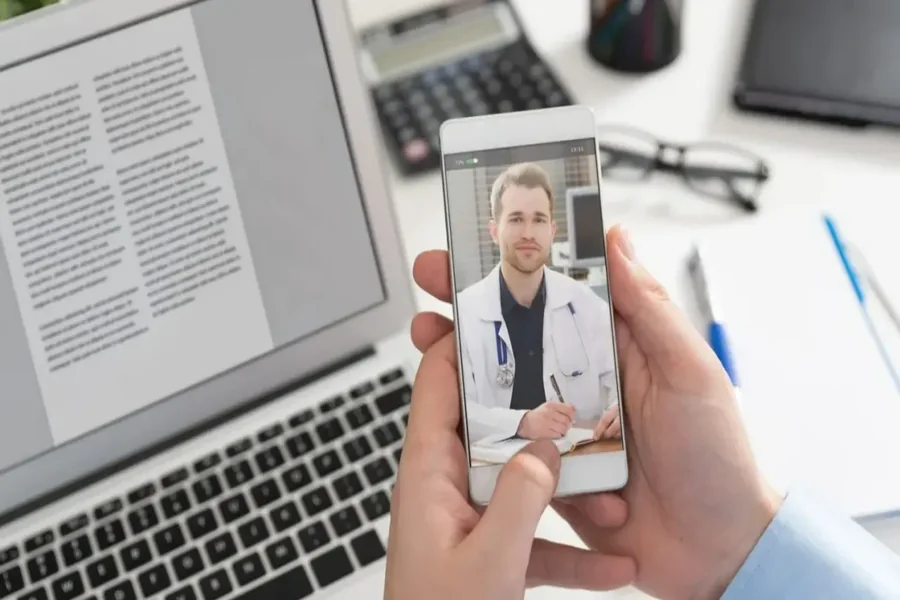
Technology has fundamentally reshaped how we connect, communicate, and manage our daily lives. The field of healthcare is no exception. Telemedicine, the practice of providing clinical care remotely through technology, has moved from a niche concept to a mainstream service. This shift is creating significant advantages for both medical professionals and the people they serve.
By bridging physical distances, virtual care is making healthcare more accessible, efficient, and convenient. This evolution is not just about adopting new tools; it is about reimagining how patient care can be delivered in a modern world. The benefits are clear, transforming the traditional doctor’s visit into a more flexible and patient-focused experience.
Enhanced Accessibility and Convenience for Patients
One of the most significant impacts of remote consultations is the dramatic improvement in access to care. Patients can connect with their doctors from the comfort of their homes, eliminating many long-standing barriers.
Overcoming Geographic and Mobility Barriers
For individuals living in rural or remote areas, seeing a specialist often requires extensive travel, time off work, and significant expense. Telemedicine removes these obstacles, allowing them to receive expert medical advice without leaving their community. Similarly, patients with mobility issues or chronic illnesses find virtual visits to be a much more manageable and less physically demanding option than traveling to a clinic.
Fitting Healthcare into Busy Schedules
Modern life is busy, and fitting a doctor’s appointment into a packed schedule can be challenging. Virtual consultations offer unparalleled flexibility. Patients can often schedule appointments during a lunch break or before their workday begins, reducing the need to take a half or full day off. This convenience encourages individuals to seek care when they need it, rather than delaying it due to logistical issues.
Increased Efficiency and Flexibility for Doctors
Physicians and their practices also realize substantial benefits from integrating remote care into their services. It allows for a more streamlined and adaptable workflow.
Optimizing Clinic Operations
Virtual visits can help manage a clinic’s schedule more effectively. They are ideal for follow-up appointments, medication management, and reviewing test results, which do not always require an in-person physical examination. By handling these consultations remotely, doctors can free up in-office appointment slots for patients who need hands-on care. This optimization leads to reduced wait times and a smoother patient flow throughout the day. A reliable telemed software platform is essential for managing these virtual interactions securely and efficiently.
Improving Work-Life Balance
The flexibility of telemedicine can also contribute to a better work-life balance for healthcare providers. The ability to conduct certain appointments from a home office reduces commute times and allows for more control over their schedules. This can help mitigate physician burnout, a growing concern in the medical community. A more balanced and less stressed doctor is better equipped to provide high-quality care.
Strengthening the Doctor-Patient Relationship
Contrary to concerns that technology might depersonalize medicine, virtual care can actually enhance the connection between doctors and patients.
Focusing on Continuous Care
Telemedicine makes it easier for providers to check in on their patients, especially those managing chronic conditions. Quick virtual follow-ups can help ensure that treatment plans are working and allow for timely adjustments. This consistent engagement fosters a stronger, more collaborative relationship built on ongoing communication and support.
Creating a Comfortable Environment
For some patients, discussing health concerns can be intimidating in a clinical setting. Being in a familiar home environment can help them feel more relaxed and open. This comfort can lead to more honest and detailed conversations, giving doctors a clearer understanding of their patients’ needs and concerns.
In conclusion, telemedicine is proving to be a powerful force for positive change in healthcare. It offers patients unprecedented convenience and access to care while providing doctors with greater efficiency and flexibility. By embracing this technology, the medical community can deliver more patient-centered care, improve outcomes, and build stronger therapeutic relationships. It represents a significant step forward in making healthcare work better for everyone involved.