

English plays a central role in a child’s education, particularly in primary school, where strong language foundations support learning across all subjects. For some children, keeping up with reading, writing, speaking, and comprehension can be challenging, especially if English is not their first language or if they learn at a different pace. This is where a primary English language support class can make a meaningful difference. A primary English language support class provides structured assistance for children who need additional guidance to develop reading, writing, speaking, and comprehension skills at an appropriate pace.
Rather than replacing mainstream lessons, support classes are designed to complement classroom learning. They focus on strengthening key language skills in a more targeted and supportive setting, helping young learners build confidence and competence over time.
Understanding the Purpose of English Language Support
A primary English language support class provides additional guidance for children who need extra help with language development. These classes focus on reinforcing core skills such as vocabulary building, sentence structure, reading comprehension, and basic writing.
Support classes are not only for children who are struggling significantly. Many learners benefit from extra reinforcement during key stages of development, especially when transitioning between year levels or adapting to a new curriculum. Early support helps prevent small gaps from becoming larger obstacles later on.
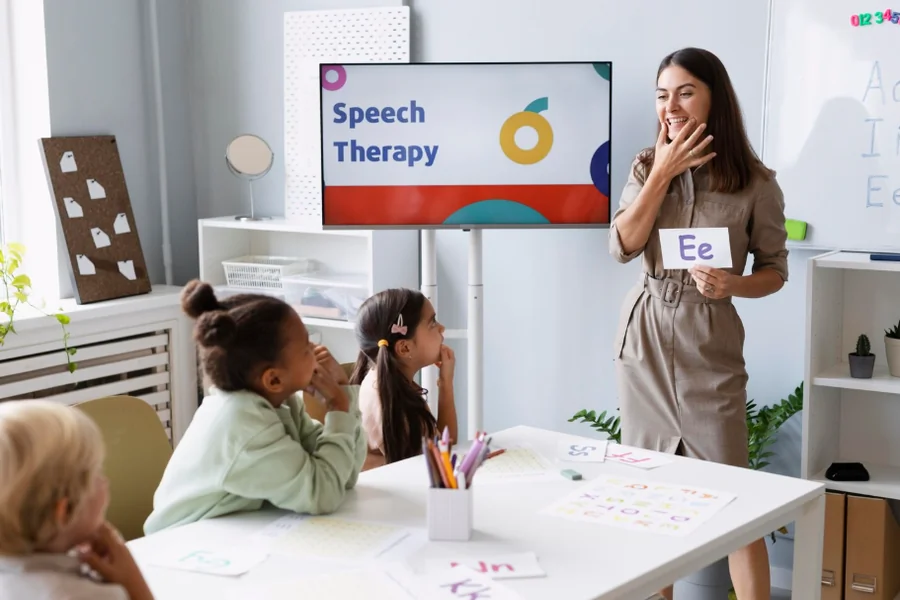
In a smaller group setting, teachers can identify specific challenges and adapt lessons accordingly. This personalised approach allows children to learn at a pace that suits them, without the pressure of keeping up with a larger class.
Building Strong Reading and Comprehension Skills
Reading is a cornerstone of primary education. When children struggle to understand what they read, it can affect performance across subjects such as science, mathematics, and social studies.
English language support classes often place strong emphasis on reading comprehension. Teachers guide students through texts, helping them understand meaning, context, and key ideas. By asking questions and encouraging discussion, children learn to think critically about what they read rather than simply decoding words.
Over time, improved comprehension builds confidence. Children become more willing to participate in class discussions and approach new reading materials without anxiety.
Supporting Writing and Communication Development
Writing can be particularly challenging for young learners, as it requires vocabulary knowledge, grammar, spelling, and organisation of ideas. Support classes break writing tasks into manageable steps, making the process less overwhelming.
Students learn how to structure sentences, organise paragraphs, and express ideas clearly. Regular practice, combined with constructive feedback, helps children understand how to improve rather than focusing only on mistakes.
Oral communication is also an important part of language development. Support classes often encourage speaking and listening activities, helping children practise pronunciation, sentence formation, and conversational skills in a safe environment.
Boosting Confidence and Classroom Participation
One of the less obvious but equally important benefits of English language support is increased confidence. Children who struggle with language may feel hesitant to raise their hand, read aloud, or share ideas in class.
Support classes create a space where children feel comfortable asking questions and making mistakes. As their skills improve, so does their willingness to participate in mainstream lessons. This confidence often carries over into other areas of learning and social interaction.
When children believe they can succeed, they are more motivated to engage with schoolwork and take ownership of their learning.
Early Intervention and Long-Term Benefits
Addressing language challenges early has long-term advantages. Primary school is a critical period for language development, and timely support can shape a child’s academic journey positively.
Children who receive targeted English support often develop stronger study habits and learning strategies. These skills continue to benefit them as academic demands increase in later years.
Support classes also help teachers and parents monitor progress more closely. Regular feedback allows adjustments to be made, ensuring that learning remains effective and relevant.
Working Alongside Mainstream Education
English language support classes work best when they align with what children are learning in school. Teachers often coordinate lessons with the primary curriculum, reinforcing topics and vocabulary covered in class.
This alignment helps children apply what they learn directly to their schoolwork. Rather than feeling disconnected, support classes become a natural extension of the classroom experience.
Parents also play an important role by reinforcing learning at home. Simple activities such as reading together or encouraging conversation in English can further support progress.
Conclusion
A primary English language support class offers more than academic assistance. It provides young learners with the tools, confidence, and encouragement they need to navigate school successfully. By strengthening language foundations early, children are better prepared to understand lessons, express ideas, and engage fully in their education.
With the right support, language challenges become opportunities for growth rather than barriers to learning. Investing in early English support helps set children on a path towards long-term academic and personal success.
FAQs
Who should consider a primary English language support class?
Children who struggle with reading, writing, or understanding English, as well as those learning English as an additional language, may benefit from support classes.
Will support classes replace regular English lessons?
No. Support classes are designed to complement mainstream education, not replace it.
How soon can progress be seen?
Progress varies, but many children show improved confidence and understanding within a few months of consistent support.
Are English language support classes suitable for all ages in primary school?
Yes. Support programmes can be adapted to suit different age groups and learning needs within the primary years.