
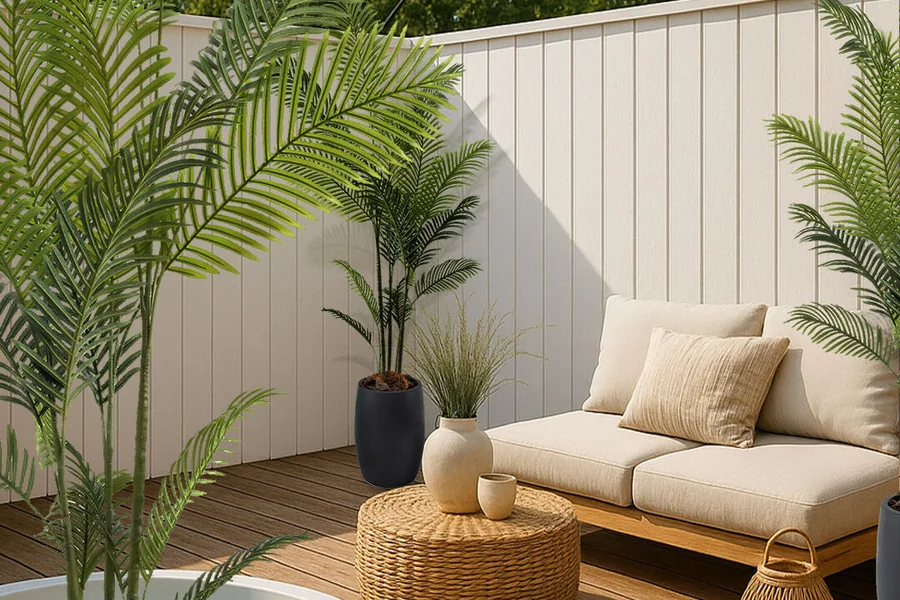
The Psychology Of Greenery In Mindful Environments
Indoor mindfulness spaces are thoughtfully curated to invite relaxation and focus. Visual elements, particularly those echoing natural forms, deeply influence the mood and functionality of such spaces. Studies in environmental psychology continue to reveal that greenery—whether real or simulated—triggers positive, stress-relieving reactions in the mind. Palm trees, with their sweeping fronds and organic lines, provide instant relief from the rigidity of urban interiors. These shapes gently interrupt angular lines found in typical home and office architecture, offering a mental exit from digital overload and allowing space for calm, intentional breathing. By incorporating artificial palms, it’s possible to recreate many of the soothing qualities associated with being near real foliage, while sidestepping the challenges of plant care indoors.
Creating Visual “Anchors” For Presence And Focus
Central to mindful practice is the concept of anchoring—using physical cues to sustain gentle attention and prevent mental wandering. Artificial palm trees can serve as these visual anchors. Their distinctive frond patterns and the interplay of light and shadow on their leaves offer the eye a restful landing spot, quietly supporting meditation or deep-breathing exercises. Well-placed palms can demarcate boundaries within larger multi-use spaces (such as distinguishing a yoga mat area from a reading nook) or simply enhance the sense that a certain corner is dedicated to reflection. Over time, returning to these sights can train the mind to associate them with purposeful rest, smoothing the transition into mindfulness even for beginners. At this stage, you can learn more here about intuitive readings and spiritual guidance that support deeper mindfulness and emotional clarity. Consistency in cues, like the reliable presence of a palm tree, can make routines more inviting and easier to maintain.
Design Balance: Light, Scale, And Sensory Comfort
Artificial palm trees work best when their size, shape, and placement feel balanced with the surrounding environment. A tree that is too large may dominate the space and unintentionally add visual clutter, while one that is too small may fail to provide the intended sense of retreat. Ideally, palms are chosen to align with ceiling height and avoid blocking valuable sunlight. In areas with less natural light, lighter-toned fronds prevent the room from feeling dim or weighed down. The choice of texture is also significant; materials with a subdued, matte finish typically look more lifelike and inviting than their glossy counterparts. Details such as pot selection and how the base is finished can help the tree blend seamlessly with floor coverings, wall colors, and other soft furnishings, fostering a truly cohesive and calming environment.
Low-Maintenance Greenery For Consistent Calm
Unlike living plants, artificial palm trees require only occasional dusting, and their form stays consistent regardless of light, temperature, or seasonal change. This means a reliable sense of greenery that doesn’t ask for attention—aligning perfectly with the uninterrupted calm desired in a mindfulness space. Artificial palms are especially helpful in spaces that see many users or that lack abundant natural light, such as studios, counseling rooms, or corporate wellness areas. With growing demand, designers and individuals can find a wide selection of artificial palms here, ranging in height, style, and leaf pattern to suit almost any indoor setting. Choosing options that are easy to move and maintain ensures the space remains adaptable and pleasant, no matter how routines evolve.
- Choose palm sizes that complement ceiling height and room dimensions.
- Position trees to frame, not clutter, primary practice areas such as mats or cushions.
- Favour subtle, natural-looking textures and colours over highly reflective finishes.
- Ensure bases and containers harmonise with existing furnishings and flooring.