
A damaged roof affects far more than a building’s appearance. It plays a direct role in protecting structural components, managing moisture, and maintaining indoor comfort. When roofing issues arise, understanding the repair process helps property owners make informed decisions and avoid unnecessary delays. Roofing repairs are not limited to replacing visible materials; they involve evaluation, planning, and careful execution to restore performance. By understanding how roofing repair progresses from inspection to completion, property owners gain clarity on what to expect and why each step matters. A well-managed repair process supports long-term stability while reducing the risk of recurring damage.
From Inspection to Completion
-
Initial Roof Inspection and Damage Assessment
The roofing repair process begins with a detailed inspection to identify the extent and source of damage. This assessment looks beyond missing shingles or visible wear to uncover underlying issues such as weakened decking or compromised flashing. Inspectors evaluate how water flows across the roof, where materials may have shifted, and how long the damage has been present. In many repair projects handled by Three Tree Roofing, inspections focus on understanding how small defects contribute to larger system failures over time. A thorough assessment ensures repairs address root causes rather than surface symptoms. This step sets the direction for all remaining work by defining scope, materials, and priorities.
-
Planning Repairs Based on Roof System Type
Roofing systems vary widely, and repair planning must align with the materials and structure involved. Asphalt shingles, metal panels, and membrane systems each require different repair techniques. Planning includes selecting compatible materials, determining access points, and sequencing repairs to maintain weather protection throughout the process. Careful planning also considers how repairs will interact with existing components, such as gutters and ventilation systems. By tailoring the approach to the specific roof system, repairs restore integrity without creating new vulnerabilities. This stage emphasizes precision and compatibility to support long-term performance.
-
Material Preparation and Safety Measures
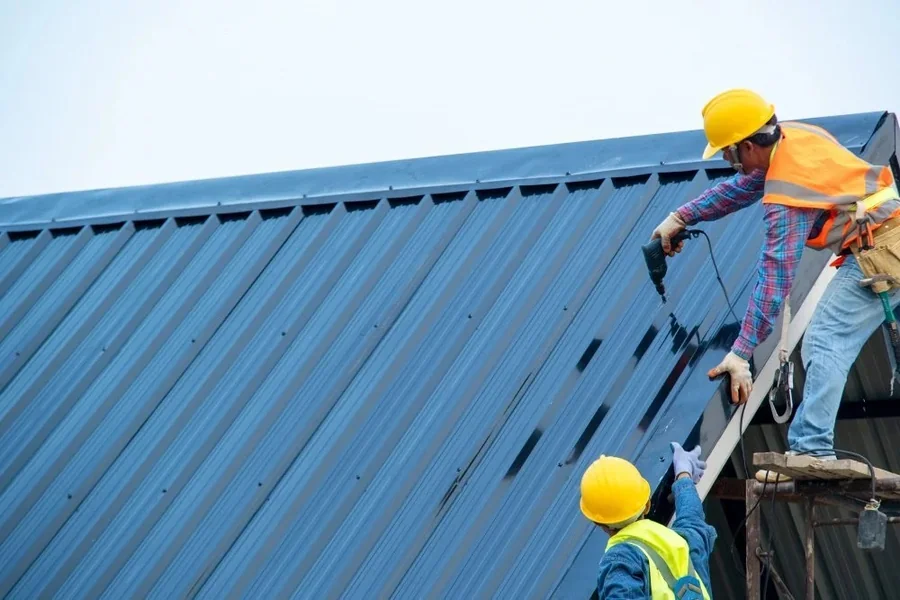
Before repairs begin, materials and safety measures are prepared to support efficient work. Roofing repairs often involve working at height, making safety planning essential. Proper staging, equipment placement, and weather monitoring reduce risks during repair activities. Materials are staged to minimize exposure and ensure consistent installation quality. Preparation also includes protecting surrounding areas from debris or water intrusion during repairs. This groundwork allows repair teams to focus on execution without interruption. Effective preparation supports smoother repairs and helps maintain the building’s protection throughout the process.
-
Executing Targeted Roofing Repairs
Repair execution focuses on restoring damaged sections without disturbing intact areas. This targeted approach reduces unnecessary material removal and preserves the roof’s overall structure. Damaged shingles, underlayment, or flashing are removed carefully, and replacement materials are installed with attention to alignment and sealing. Repair execution prioritizes proper fastening and overlap to maintain water resistance. Precision during this stage ensures repairs integrate seamlessly with existing materials. Effective execution reduces the likelihood of future leaks and supports uniform roof performance.
-
Addressing Underlying Structural Concerns
Some roofing damage reveals underlying structural issues that must be addressed during repairs. Saturated decking, weakened supports, or compromised insulation may require reinforcement or replacement. Addressing these concerns prevents recurring problems that surface repairs alone cannot resolve. Structural attention ensures the roof system can support loads and resist environmental stress. By correcting underlying issues, repairs improve the roof’s long-term reliability rather than providing a temporary fix. This step reinforces the importance of comprehensive repair planning.
-
Flashing and Seal Integrity
Flashing plays a critical role in directing water away from vulnerable areas such as chimneys, vents, and roof edges. During repairs, flashing is inspected and replaced or resealed as needed. Proper flashing installation prevents water from bypassing surface materials and entering the structure. Seal integrity around penetrations and transitions is restored using appropriate materials and techniques. Attention to these details reduces the risk of leaks in areas most prone to failure. Strong flashing and seals are essential for complete protection of the roof system.
-
Final Inspection and Quality Verification
Once repairs are complete, a final inspection verifies that all work meets expected standards. This inspection confirms proper installation, alignment, and sealing across repaired areas. It also ensures that temporary protections have been removed and that the roof is fully restored to service. Quality verification provides reassurance that repairs were executed correctly and that the roof system is ready to perform under normal conditions. This final step closes the repair process with confidence and accountability.
-
Post-Repair Maintenance Considerations
After repairs, maintenance considerations help extend the life of the restored roof. Monitoring repaired areas after severe weather helps ensure early detection of any issues. Regular maintenance supports long-term performance and protects the investment made during repairs. Understanding how repairs fit into an ongoing maintenance plan helps property owners manage expectations and reduce future disruptions. Maintenance awareness complements the repair process by supporting durability beyond the immediate fix.
Understanding the roofing repair process provides valuable insight into restoring damaged roof systems effectively. From inspection and planning to execution and final verification, each step contributes to long-term roof performance. Addressing underlying issues, ensuring material compatibility, and maintaining proper sealing are essential. Recognizing the value of a structured repair process helps property owners approach roofing issues with clarity and confidence. With careful attention at every stage, roofing repairs support structural protection, moisture control, and lasting reliability for the building as a whole.