
Our brains naturally seek mental challenges from solving puzzles and strategising to competing with others because these activities fuel our focus and resilience. Beyond entertainment, strategy sharpens our decisions and strengthens cognitive skills such as memory, focus, and decision-making. Recognising our mind’s inherent drive for challenge helps us select pursuits that sustain mental acuity and satisfaction.
Why the Brain Loves Strategy
Life’s challenges stimulate our brains, and tackling complex problems provides a sense of reward. Activities such as planning, analysing, and forecasting activate brain cells and release dopamine, which in turn produces motivation and fulfilment. Practising strategic thinking improves memory, focus, and problem-solving, supporting better decision-making in both personal and professional settings.
We are naturally inclined toward mentally stimulating games such as puzzles, board games, or cards, which show our need to challenge and strengthen our minds. Such activities act as workouts for the brain, increasing its flexibility and resilience, much as physical exercise benefits muscles.
Everyday Strategy Games and Mental Training
Beyond entertainment, strategy games directly train the mind. They build foresight, memory, and decision-making skills, resulting in improved focus and alertness. Recognising this, we can use everyday common games as practical tools for cognitive growth.
Chess and Board Games
Chess exemplifies a game of strategy, requiring predictive thinking and forward planning. Board games like Catan or Risk ask players to assess risks, negotiate, and adjust to shifting situations. These games build memory, strategic reasoning, and planning skills—abilities useful in professional, academic, and personal settings. For example, committing to focused sessions several times a week can strengthen analytical thinking.
Puzzles and Brain Teasers
Pattern recognition, logical reasoning, and attention are exercised through Sudoku, logic puzzles, and crosswords. These tasks sharpen the ability to spot patterns and maintain mental clarity under pressure. Used as a daily activity—such as a morning warm-up or an evening wind-down—they offer a low-pressure, cost-effective way to engage the mind.
Classic Card Games
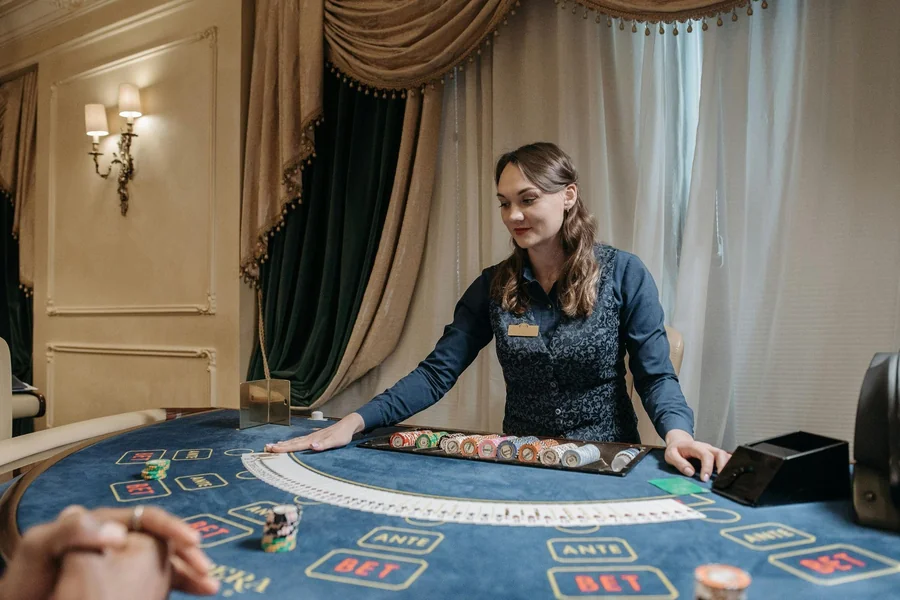
Playing at a baccarat site, as well as card games such as bridge and poker, requires strategic foresight, memory, and decision-making. Baccarat, accessible to beginners, rewards prudent planning. Online play allows players of all levels to practice in secure environments, such as dedicated Baccarat sites. Regular practice can enhance concentration and predictive reasoning for daily problem-solving.
How Strategic Thinking Impacts Daily Life
Strategic thinking provides benefits beyond entertainment. Engaging in games like chess, puzzles, or baccarat strengthens mental skills essential for solving real-world problems. This improvement translates into better decisions, more effective project management, and increased patience and foresight in both social and professional contexts.
Strategic thinking also enhances focus and stress management. Breaking complex issues into manageable steps mirrors a strategic approach in games, making daunting tasks more approachable. With regular practice, these abilities can increase productivity, improve memory, and boost confidence in the face of uncertainty.
Conclusion
Strategic thought satisfies our need for mental challenge and drives cognitive growth. By engaging in puzzles, board games, and card games like baccarat, we reinforce memory, decisiveness, and focus. Choosing mentally stimulating games not only entertains but also actively cultivates the skills needed for an effective, insightful daily life.