
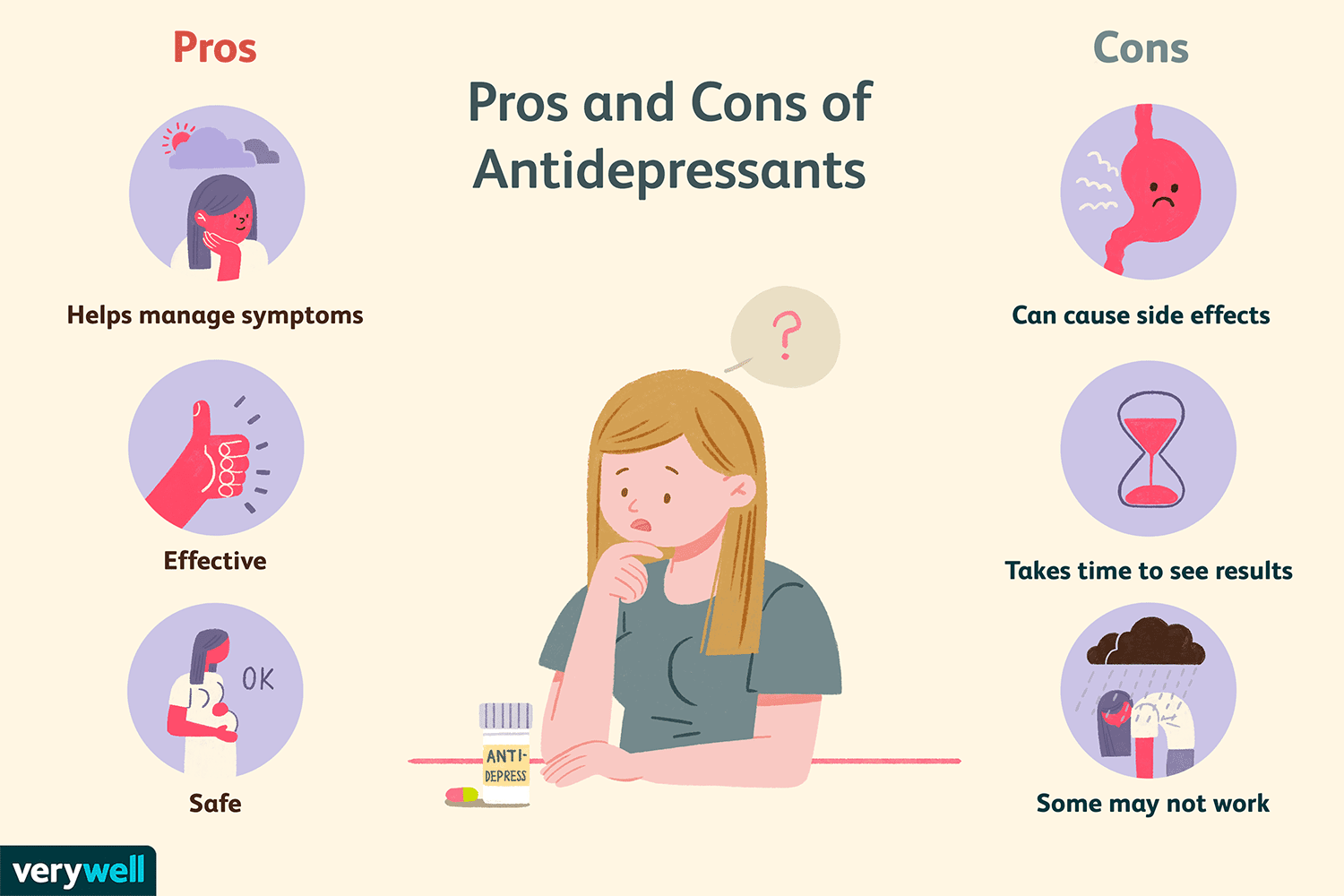
If you’re weighing medication for depression, you’re not alone—and you’re not “failing” at coping. Many people start a selective serotonin reuptake inhibitor (SSRI) to rebalance mood and energy, often alongside therapy. Below is a plain-language guide to what the first weeks typically look like, key safety points, and the questions to bring to your prescriber.
Quick recap: When are SSRIs used?
Most major guidelines list a second-generation antidepressant—often an SSRI—as a first-line option for adults with major depressive disorder, typically paired with psychotherapy for moderate to severe symptoms.
The “leading SSRIs for depression”
Your clinician will personalize the choice, but commonly used options include:
- Sertraline (Zoloft)
- Escitalopram (Lexapro)
- Fluoxetine (Prozac)
- Citalopram (Celexa)
- Paroxetine (Paxil)
- Fluvoxamine (Luvox)
Large comparative analyses suggest all SSRIs help more than placebo, with only small differences in average effectiveness—so side-effect profile, other conditions, drug interactions, and your preferences usually drive selection.
Practical tips your prescriber may consider
- Escitalopram/sertraline: often chosen for balanced efficacy and tolerability.
- Fluoxetine: long half-life (may ease discontinuation but can interact longer).
- Paroxetine: higher risk of discontinuation symptoms; sometimes avoided as first choice.
How soon will I feel better?
Many people notice small shifts (sleep, appetite, anxiety) in 1–2 weeks; mood and motivation often improve over 4–6+ weeks, sometimes longer. Sticking with the plan—and scheduled check-ins—matters.
Common early side effects and what to do
In the first 1–3 weeks, you might notice nausea, headache, jitteriness, sleep changes, or GI upset. These are usually mild and fade as your body adjusts. Let your clinician know if side effects are intense or persistent; dose adjustments or timing changes can help. If side effects are severe—fever, rigid muscles, confusion—seek urgent care.
Sexual side effects (e.g., reduced libido or delayed orgasm) can emerge later. Don’t suffer in silence—options include dose tweaks, timing strategies, or switching agents.
Safety watchouts you and your clinician should review
1) Suicidality in young people
Antidepressants carry an FDA boxed warning about increased risk of suicidal thinking/behavior in people under 25, especially when starting or changing doses. Risk is highest in the first months, and careful monitoring is recommended for all ages during the early phase. Reach out promptly if you notice worsening mood, agitation, or new self-harm thoughts.
2) Serotonin syndrome (rare, but serious)
Combining multiple serotonergic drugs (e.g., SSRIs with certain migraine meds, linezolid, MAOIs, or methylene blue) can cause serotonin syndrome—symptoms include confusion, agitation, sweating, shivering, diarrhea, fever, tremor, muscle rigidity, or loss of coordination. Seek urgent care if these occur. Always tell providers about all meds and supplements.
3) Alcohol and other meds
Alcohol can worsen sedation, sleep, and mood. Review all prescriptions and OTC meds with your prescriber to avoid interactions.
4) Pregnancy and fertility questions
If you’re pregnant, trying, or breastfeeding, ask about risks and benefits of continuing vs. switching—shared decision-making is key.
What happens at the first follow-up?
Expect a check-in within 2–4 weeks to review side effects, dose adjustments, and mood tracking (many clinicians use tools like the PHQ-9). If there’s no meaningful improvement after a full, tolerable trial (usually ≥4–6 weeks at a therapeutic dose), options include dose increase, switching to another SSRI/SNRI, or adding psychotherapy if not already in place.
If you and your clinician later decide to stop
Never stop an SSRI abruptly unless your prescriber tells you to. A gradual taper helps reduce discontinuation symptoms (dizziness, “zaps,” irritability, insomnia). Newer evidence suggests about 1 in 6 people have some withdrawal symptoms after stopping antidepressants; severe symptoms occur in a small minority. Slow tapers (often over 4+ weeks) minimize risk. Fluoxetine’s long half-life can make withdrawal milder; paroxetine carries higher risk.
Conversation checklist for your appointment
Use this list to tailor the plan around you:
- Your goals: What would “feeling better” look like in 8–12 weeks?
- Medication fit: Which SSRI best matches my health history, other meds, and priorities (e.g., energy, sleep, sexual side effects)?
- Dosing plan: Starting dose, when to take it, and how/when we might increase.
- Therapy: How to combine meds with evidence-based psychotherapy (e.g., CBT).
- Monitoring: How often we’ll check in; what changes should prompt an earlier call.
- Safety: What to do if suicidal thoughts emerge; how to spot serotonin-syndrome red flags.
- Stopping: If/when we consider tapering, what a slow plan would look like for me.
Hope, expectations, and next steps
Starting an SSRI is not a life sentence—it’s one tool to help you feel like yourself again. Most people need a few weeks to notice meaningful change, and many find the best results by pairing medication with therapy and small lifestyle supports (sleep, movement, connection). If the first medication isn’t the right fit, that’s information—not failure—and there are several alternatives within the leading SSRIs for depression and beyond.
If you’re in crisis
If you or someone you love is thinking about suicide, is in immediate danger, or can’t keep safe: call or text 988 in the U.S., or go to the nearest emergency department. If you’re outside the U.S., contact your local emergency number or a suicide hotline in your country.
General information only; not a substitute for medical advice. Always talk with your clinician about your specific situation.