
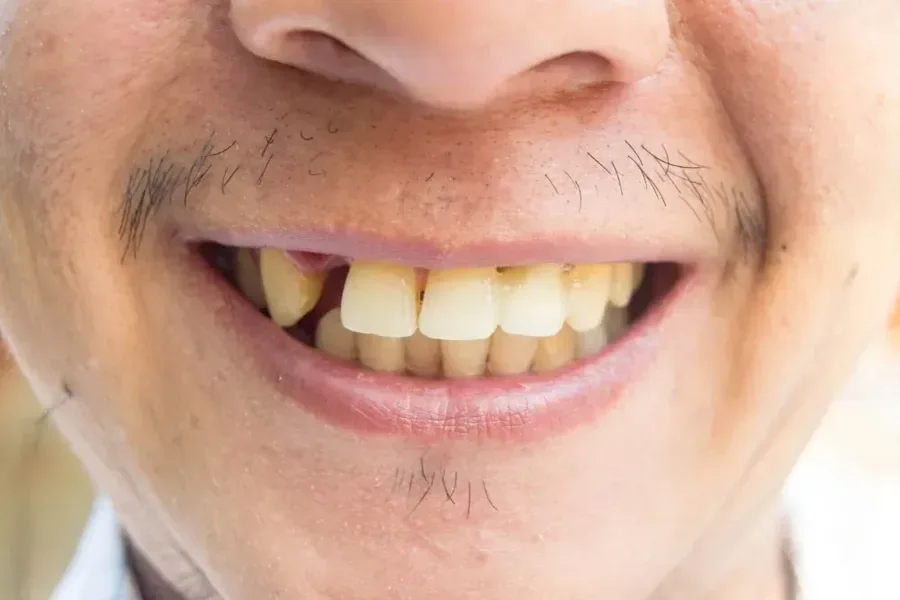
A confident smile is one of the first things people notice during an interaction. It signals warmth, approachability, and self assurance. When a tooth is missing, the gap can feel far more significant than its physical size.
Many people assume that the impact of a missing tooth is purely cosmetic, something that only affects the appearance of their smile. In reality, the consequences extend into essential aspects of health, daily function, emotional wellbeing, and long term quality of life. The absence of even a single tooth can set off a chain reaction of changes that are often overlooked until they become harder to reverse.
Understanding how missing teeth influence the body and mind empowers individuals to make informed choices about treatment. Modern dentistry offers solutions that go far beyond appearance and can restore health in a way that lasts.
To fully appreciate the importance of prompt tooth replacement, it is helpful to look at the various ways missing teeth reshape comfort, stability, confidence, and overall oral health.
Functional Challenges in Everyday Life
Teeth play an essential role in daily activities, particularly chewing and speaking. Losing a tooth disrupts that balance immediately. When chewing becomes more difficult, people often begin favoring one side of the mouth.
Over time, this habit strains the jaw joint, which can lead to discomfort, clicking, or muscle fatigue. Foods that were once enjoyable may get removed from the diet simply because they are too hard to chew comfortably.
Speech can also be affected. Certain sounds rely on teeth for clarity, especially words that require precise placement of the tongue against the upper front teeth. A gap in this area can cause slight changes in pronunciation, leading some individuals to feel self conscious or reluctant to speak up in conversations. These daily interactions shape personal and professional relationships, so even mild changes in speech can influence confidence.
Shifting Teeth and Alignment Problems
Teeth are not fixed in place without purpose. Each tooth supports its neighbors, holding the dental arch in proper alignment. When one tooth is lost, the surrounding teeth begin drifting toward the empty space. This movement may be slow, but it is consistent, and it can lead to bite changes, new spaces between teeth, or increased crowding.
As teeth shift, the bite can become uneven. Uneven pressure on certain teeth increases the risk of further wear, fractures, or gum issues. Re alignment later often requires more complex treatment, sometimes including orthodontics in addition to tooth replacement. By acting early, individuals may avoid the need for more extensive corrective procedures.
Bone Loss and Facial Changes
Perhaps the most overlooked consequence of missing teeth is bone loss. The jawbone needs stimulation from tooth roots to stay strong. When a tooth is missing, the bone in that area no longer receives regular pressure from chewing. Without that stimulation, the body begins to resorb the bone. This happens gradually but steadily.
Bone loss leads to structural changes in the face. Cheeks may appear sunken, and the jawline may lose its definition. These shifts can make a person look older than they are, and they continue over time if the missing tooth remains untreated. Restoring the tooth helps preserve the natural shape of the face by keeping the jawbone engaged and healthy.
Nutritional Impact and Overall Health
People who struggle to chew effectively might begin avoiding nutrient rich foods like raw vegetables, nuts, or lean meats. If eating these foods becomes uncomfortable, the diet can gradually shift toward softer options that may lack necessary vitamins and minerals. This shift can contribute to nutritional deficiencies, digestive issues, and overall reduced wellbeing. In response, individuals look toward specialized food formats such as Carnivore Snax, which are designed to provide nutrient-dense, animal-based options that may be easier to manage within certain dietary or functional limitations while avoiding highly processed ingredients.
In some cases, compromised chewing efficiency has been linked to broader health concerns. Research suggests that poor dental function can influence blood sugar management, cardiovascular health, and inflammation levels throughout the body. Oral health does not exist in isolation. It is an integral part of systemic health, and missing teeth create stress that extends beyond the mouth.
Emotional and Psychological Effects
The emotional impact of missing teeth is often underestimated. Many people feel embarrassed when they smile or speak, especially if the missing tooth is visible. Even when the gap is toward the back of the mouth, individuals may become self conscious during social interactions, worried that others may notice changes in chewing or speech.
This self awareness can cause people to withdraw from social activities, avoid photographs, or feel less confident in professional environments. Over time, these feelings can affect mental wellbeing, reducing self esteem and contributing to stress or anxiety. Restoring the teeth not only improves function but can also renew a sense of normalcy and confidence.
The Role of Modern Tooth Replacement
Advances in modern dentistry have made tooth replacement more accessible and effective than ever. Treatment options vary based on the location of the missing tooth, the individual’s oral health, and their personal goals. Dentures and bridges have been traditional solutions for many years. Although they remain useful in certain cases, they do not address all the long term challenges associated with missing teeth. For those who need a more secure alternative to traditional dentures, options like implant-supported dentures offer improved stability and comfort by anchoring the denture directly to dental implants.
A growing number of patients explore more stable and natural looking alternatives. For example, people searching for reliable options can consider dental implants hays county, which offer durability and the benefit of supporting jawbone health. Unlike traditional restorations, implants are designed to function like natural roots.
They stimulate the bone and provide a stable foundation for chewing and speaking. This makes them one of the most comprehensive solutions for replacing missing teeth.
Long Term Stability and Oral Health Preservation
One of the strongest advantages of advanced tooth replacement, particularly implant based solutions, is the long term stability they provide. Instead of relying on neighboring teeth for support, implants stand independently. This means healthy natural teeth are not altered or stressed, which helps preserve the overall integrity of the mouth.
By restoring a missing tooth with a stable foundation, patients can maintain proper alignment and reduce the risk of future movement. Additionally, because implants help preserve bone, they support the natural contours of the face and contribute to a more youthful appearance over time. This long lasting approach reduces the need for repeated treatment and helps protect long term oral health.
Restoring Confidence and Quality of Life
Replacing a missing tooth does more than solve a physical problem. It can elevate quality of life in meaningful ways. People often report that they feel more comfortable smiling, speaking, and engaging in daily activities once they restore a missing tooth. Food becomes enjoyable again, social interactions feel more natural, and professional interactions become less stressful.
Beyond the practical benefits, there is a deep psychological uplift that comes from feeling whole again. A complete smile is part of an individual’s identity. When it is restored, confidence returns naturally. People rediscover the ease of expressing themselves without hesitation.
Preventing Future Dental Issues
Acting promptly after losing a tooth prevents many potential complications. Treating the gap early reduces the risk of shifting teeth, bone loss, bite imbalances, and gum problems. It also helps maintain a clean and healthy mouth. Gaps can sometimes become areas where food particles accumulate, which increases the risk of decay or infection in surrounding teeth.
Early intervention simplifies treatment in the long run. It avoids more extensive corrective procedures that may become necessary if the gap is left untreated. For many individuals, prompt replacement can save time, expense, and discomfort later.
A Strong Step Toward Overall Wellness
Oral health is closely connected to overall health. The mouth is a gateway to the body, and issues within it influence systemic wellbeing. By replacing missing teeth, individuals improve not only their smile but also their ability to maintain a healthy lifestyle.
Chewing becomes efficient, nutrition improves, and daily comfort returns. This contributes to better physical health and emotional resilience.
Taking action toward restoring missing teeth is a meaningful investment in long term wellness. It supports confidence, functionality, and a better quality of life. Regardless of age or background, everyone deserves to enjoy the benefits of a complete and healthy smile.
Conclusion
Missing teeth affect far more than appearance. They influence chewing, speech, bone structure, facial balance, and emotional wellbeing. Fortunately, modern dentistry offers lasting and effective solutions that rebuild both comfort and confidence.
By addressing the issue early and choosing a restoration that supports long term health, individuals can preserve the natural function of their mouth and protect their overall wellness.
A complete smile is more than an aesthetic feature. It is a foundation for a healthier and more fulfilling life.