
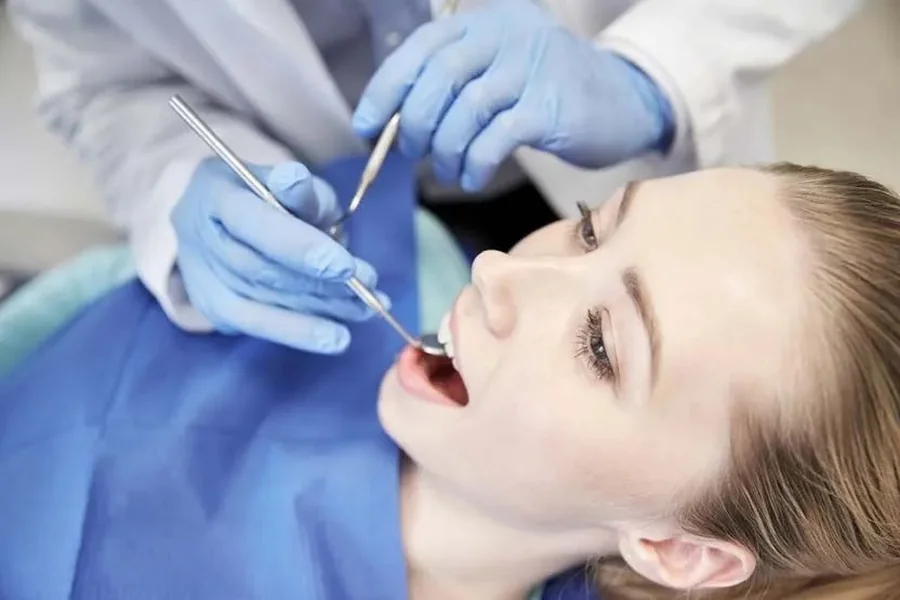
Your mouth and your mind share a conversation that most people never tune into. You brush, you rinse, you floss (sometimes), and you assume that’s where dental care’s influence stops. But science keeps revealing something far more interesting: the state of your teeth and gums has a measurable ripple effect on your confidence, your social life, your stress levels, and your emotional health.
This isn’t about vanity. Oral health and mental health are intricately connected, affecting a person’s ability to comfortably speak, smile, chew, and swallow, as well as social and psychological attributes that influence quality of life. So if you’ve been treating dental care as a purely physical chore, here are seven compelling reasons to see it differently.
1. Poor Oral Health Can Quietly Feed Anxiety and Depression
The relationship between your teeth and your mood runs both ways, and it’s stronger than most people expect. There’s a bidirectional relationship between mental health and oral health. When someone’s mental health suffers, it can cause a decline in oral health. Conversely, unmet dental problems can lead to worsening mental health.
Poor oral health, such as gum disease or tooth decay, can lead to ongoing pain and discomfort in the mouth. This can have a significant impact on a person’s mental well-being, leading to increased stress, anxiety, and even depression. That’s a cycle that’s easy to get trapped in, and it often starts with something as simple as an untreated cavity or inflamed gum tissue.
Untreated oral diseases induce chronic pain and cause social embarrassment, aggravating pre-existing depression and anxiety. The takeaway here is that getting dental issues addressed isn’t just about your mouth. It’s about protecting your overall emotional state. If you’re in the Kitchener area, connecting with a trusted dentist in kitchener for regular checkups and timely treatment is one of the most direct things you can do for your mental wellness.
2. Stress and Anxiety Leave Physical Marks on Your Teeth
Your mental state doesn’t just stay in your head. It shows up in your mouth in very real, physical ways. Excessive anxiety can lead to teeth grinding. Oral pain can cause depression or anxiety to worsen. Consuming an abundance of sugary foods and drinks to cope with anxiety or stress can lead to cavities or gum disease.
Temporomandibular joint disorders and jaw problems are predominantly muscular. They happen because of parafunctional habits, the manifestation of anxiety in many people. Broken teeth are common because the excess stress on a tooth can cause it to split. If you’ve noticed jaw soreness, unexplained headaches, or chipped teeth, your stress levels may be the root cause, not just bad luck. Talking to your dentist about a night guard or stress-related dental patterns can change the trajectory of both your oral and mental health.
3. Your Smile Has More Power Over Your Confidence Than You Think
There’s real, survey-backed data behind the phrase “smiling changes everything.” Good oral health makes the majority of Americans feel confident at 67 percent, surpassing other top confidence drivers like clear skin at 60 percent and being in shape at 57 percent. That’s a remarkable finding: your teeth outrank your waistline when it comes to how confident you feel day-to-day.
Smile satisfaction is one of the top three drivers of self-confidence across U.S. adults from various attitudinal, demographic, and behavioral backgrounds. And routine dental care reinforces that. Research reveals an important correlation between routine dental care and self-confidence: 75 percent of individuals who visit the dentist regularly report very good self-confidence. That’s not a coincidence. Knowing your teeth are clean and cared for removes a subtle but constant source of background anxiety.
For a deeper look at the research connecting oral health to emotional wellbeing, NYU’s Rory Meyers College of Nursing published a thorough breakdown of the brain-mouth connection that’s worth reading in full.
4. Oral Health Problems Can Push You Into Social Withdrawal
Hiding a smile or avoiding conversation because of your teeth is more common than people admit. Oral health is having a significant effect on people’s self-esteem, with self-confidence being one of the biggest areas teeth negatively impact. Survey data shows that 23 percent of adults say they don’t show their teeth when they smile, and 8 percent avoid socializing because of the way their teeth make them feel.
The mouth plays a psychological role in communication, self-expression, and social interaction. People with oral health issues often don’t want to be around others, so they can become more isolated and more depressed. That isolation compounds over time. What starts as skipping a party because you feel self-conscious can quietly grow into a pattern of withdrawal that’s hard to recognize as dental-related.
People with poor oral health may avoid social gatherings or photos. Dental problems can affect appearance and speech, which may reduce confidence and participation in social or workplace activities. Addressing dental concerns early prevents this kind of gradual retreat from your own life.
5. Medications for Mental Health Can Affect Your Teeth
This one often catches people off guard. If you’re managing a mental health condition with medication, your dentist needs to know. Mental health issues, including depression, anxiety, cognitive decline, and the use of psychotropic medications, reduce motivation for oral care, prompt dental neglect, and affect salivary function, deteriorating oral health.
Side effects of medications used to treat mental health problems, including antipsychotics, antidepressants, and mood stabilizers, are associated with a higher risk for xerostomia, tooth decay, and oral infection. Dry mouth, or xerostomia, is especially problematic because saliva is your mouth’s natural defense against bacteria. Without enough of it, cavities and gum disease develop faster.
The fix here isn’t to stop medication. It’s to be transparent with your dental provider so they can build a care plan that accounts for what you’re taking. Staying ahead of these side effects with more frequent cleanings or fluoride treatments makes a real difference.
6. Dental Confidence Directly Shapes How Young People See Themselves
For younger adults and teenagers, the connection between teeth and self-worth is especially powerful. Research shows that the relationship between the influence of dental aesthetics and subjective well-being is partially mediated by self-esteem. Dental self-confidence positively impacts self-esteem, which in turn has a significant impact on well-being. Together, self-esteem and dental self-confidence explained 59.9 percent of the variation in subjective well-being.
Studies have shown that orthodontic treatment, by improving dental alignment and smile aesthetics, leads to enhanced self-confidence, better social interactions, and higher life satisfaction, particularly in young populations. This isn’t vanity either. The impact of oral health on the psychological well-being of young people is relevant, and these factors, when considered within clinical practice, can improve the quality of life of the subject.
If you have a teenager who seems withdrawn or self-conscious, it’s worth having a conversation about how they feel about their smile. The connection between orthodontic or dental treatment and emotional wellbeing in adolescents is well-documented.
Penn Dental Medicine has published a helpful resource covering the full scope of how mental health and dental health interconnect, with practical guidance on both fronts.
7. Regular Dental Visits Build a Foundation for Long-Term Wellbeing
Prevention is where oral health and emotional health meet most powerfully. Skipping dental appointments doesn’t just let cavities form. It lets problems grow in the dark until they’re expensive, painful, and confidence-sapping. Findings from evidence-based studies reveal that those with mental health problems are more likely to be affected by poor oral health and underutilize oral health services. Staying in the habit of routine care breaks that pattern.
Adults who are extremely dedicated to the health of their mouth, teeth, and gums are more likely than those who aren’t to describe their relationships, careers, and finances as excellent. That’s a sweeping correlation, but it makes intuitive sense. When you’re not dealing with dental pain, embarrassment, or chronic inflammation, you show up differently in every area of your life.
Research suggests that oral health can influence professional interactions and first impressions. Good oral health supports clear communication, comfortable close interactions, and natural smiling, which can contribute positively to professional relationships. Scheduling and keeping your appointments, getting cleanings done twice a year, and addressing small issues before they become large ones are habits that pay dividends well beyond your mouth.
For a comprehensive breakdown of how the brain and mouth influence each other across the full lifespan, the peer-reviewed research published via the National Institutes of Health on the mouth-mind connection in aging adults is a rigorous and accessible read.
Putting It All Together
Your oral health and your emotional health are not two separate systems. They’re tangled up together in ways that show up in your confidence, your relationships, your stress response, and your daily mood. The good news is that dental care is one of the more actionable levers you have. You can schedule an appointment. You can go. You can be consistent.
If stress is grinding down your teeth, if medication is drying out your mouth, or if self-consciousness about your smile is pulling you away from social situations, those are signals worth acting on. Treating your mouth well is, in a very real sense, one of the most straightforward things you can do for your overall sense of self. Start there, and a lot of other things tend to follow.