
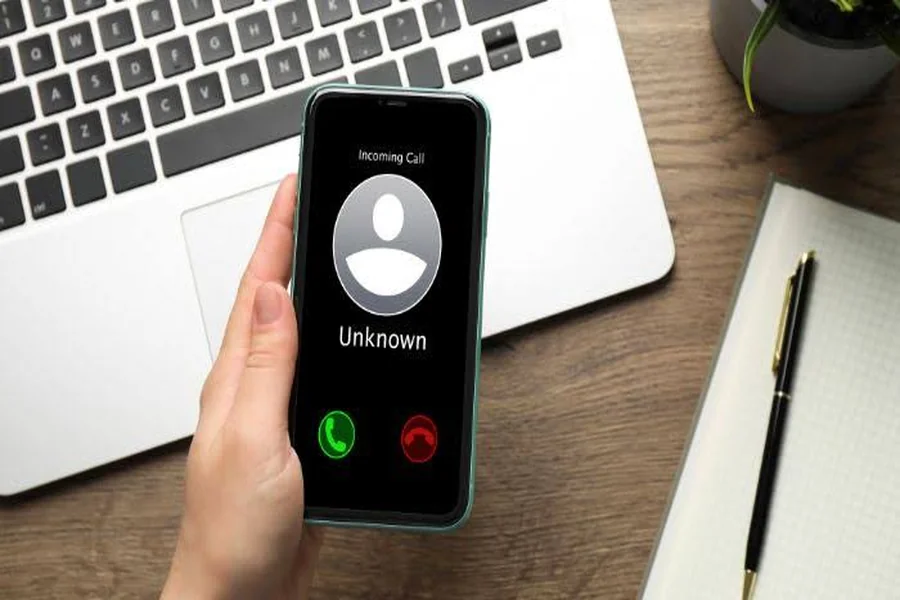
An unknown number on your phone screen is a routine occurrence and a genuine decision point. Answering it might connect you with someone legitimate. It might put you in conversation with a scammer who uses the next sixty seconds to extract personal information, create urgency around a fake threat, or set up a follow-up that leads somewhere worse. The problem is that the number alone does not tell you which scenario you are walking into.
There are six practical ways to identify an unknown caller that give you more information before you decide what to do.
1. Run a Reverse Phone Lookup
A reverse phone lookup takes a phone number as input and returns information about who owns it, what type of number it is, and whether it has been reported by other people as a scam or spam source. The quality of the result depends on the database behind the tool and how current its reporting is.
Malwarebytes’ free phone number lookup tool scans the number against millions of reported scam numbers, spam databases, carrier records, and community reports, returning the scam or spam status, phone type, carrier information, geographic location, and feedback from other users who have searched or reported the same number. The search does not require an account, does not store the number you search, and returns results in seconds. For a missed call or an unfamiliar number in a text message, this is the fastest way to get actionable information before deciding whether to return the call.
2. Search the Number Online
Typing the phone number directly into a search engine with quotation marks around it surfaces any public web pages, forum threads, or complaint databases that include that specific number. Scam numbers frequently appear in consumer complaint threads on sites like Reddit, BBB Scam Tracker, and the FTC’s complaint database, where other people who received the same call have described what happened when they answered.
This approach works well for numbers that have been in circulation long enough to generate community reports but is less reliable for newly created numbers that have not yet accumulated any web presence. Combining a search engine lookup with a dedicated reverse lookup tool covers both scenarios more completely than either alone.
3. Best Antivirus Apps for Android and iPhone Phones
Your phone is the device most likely to receive scam calls, suspicious texts, and malicious links, and protecting it with a dedicated security app adds a layer of defense that caller ID alone cannot provide. The best antivirus apps for Android and iPhone do more than scan for malware. They identify suspicious links before you tap them, flag known scam numbers before you answer, and alert you when apps on your device are behaving in ways that suggest data harvesting or unauthorized access.
Malwarebytes for Android and iOS is consistently rated among the strongest mobile security options available, combining real-time protection against malicious links and downloads with call and text filtering that reduces the volume of scam contacts reaching you in the first place. The combination of a dedicated reverse lookup tool for investigating individual numbers and a mobile security app that provides ongoing background protection covers both the reactive and proactive dimensions of staying safe from phone-based scams.
4. Check Whether the Number Matches a Known Scam Pattern
Certain number patterns and area codes are associated with higher rates of scam activity, and recognizing these patterns provides a useful prior probability before you investigate further. Numbers with area codes that do not match the caller’s claimed identity are a common scam signal. A call claiming to be from a federal government agency that originates from a non-Washington DC area code, or a bank fraud alert from an area code that does not match the bank’s headquarters, is worth treating with skepticism before engaging.
Neighbor spoofing, where scammers mask their number to display a local area code matching yours, is specifically designed to defeat this pattern recognition by making the number look familiar. The format of the number looks local and legitimate, but the caller is not. Neighbor spoofing has become one of the most common caller ID manipulation techniques precisely because local numbers generate significantly higher answer rates than clearly unfamiliar ones.
5. Let It Go to Voicemail
Legitimate callers leave voicemails. Robocallers, scammers running live call scripts, and automated systems frequently do not, or they leave generic messages designed to create urgency without providing identifying information that could be verified. The voicemail that says nothing about who is calling or why is a strong signal that the call was not worth answering.
A voicemail that provides a name, a company, a specific reason for calling, and a callback number that can be independently verified gives you everything you need to decide whether to return the call without having answered the original. If the voicemail references an urgent situation involving your bank account, your social security number, law enforcement, or a tax liability, verifying the claim by calling the organization directly using a number from their official website, rather than returning the call to the number that left the message, is the appropriate response.
6. Trust the Pattern, Not Just the Individual Call
Scam calls follow recognizable patterns that are worth knowing because they allow you to identify a call as likely fraudulent before you have verified the specific number. The creation of artificial urgency, the threat of immediate negative consequences, requests for payment through unusual methods such as gift cards or wire transfers, and demands that you not discuss the situation with anyone else are all tactics that legitimate organizations do not use in outbound calls.
A call that combines an unfamiliar number with a high-pressure script demanding immediate action on a threat to your finances, your legal status, or your account security should be treated with maximum skepticism regardless of what the caller ID displays. Hanging up and independently verifying whether the claimed situation is real through official channels costs nothing and eliminates the risk of acting on a fraudulent call that was designed to prevent exactly that verification step.